With more than 10‑year industry experience, Shandong Headpowder delivers full‑service pneumatic‑conveying systems and blowers, undertaking nationwide turn‑key powder‑handling projects.
In industrial applications, the efficient transport of limestone and gypsum is essential for processes like cement production, agricultural applications, and construction materials. Pneumatic conveying systems offer a flexible and effective method for moving these materials, but they are susceptible to pipeline blockages due to the abrasive nature and varying particle sizes of limestone and gypsum. This article delves into strategies to prevent blockages and highlights the critical design parameters that ensure smooth, uninterrupted operation.
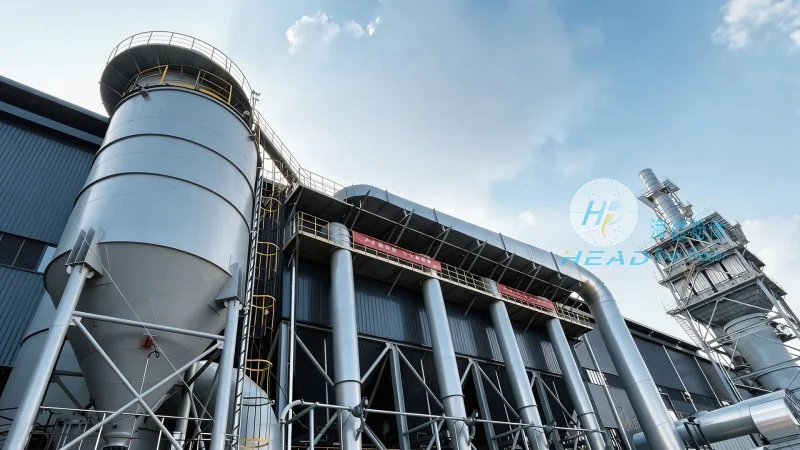
Limestone and gypsum are often fine powders with high abrasiveness, which can cause wear on pipeline components and lead to clogging. Blockages can result from material bridging, rat-holing, or the accumulation of moisture, especially in humid environments. These issues not only disrupt production schedules but also increase maintenance costs and reduce system efficiency. Preventing blockages requires a comprehensive approach that addresses both system design and operational management.
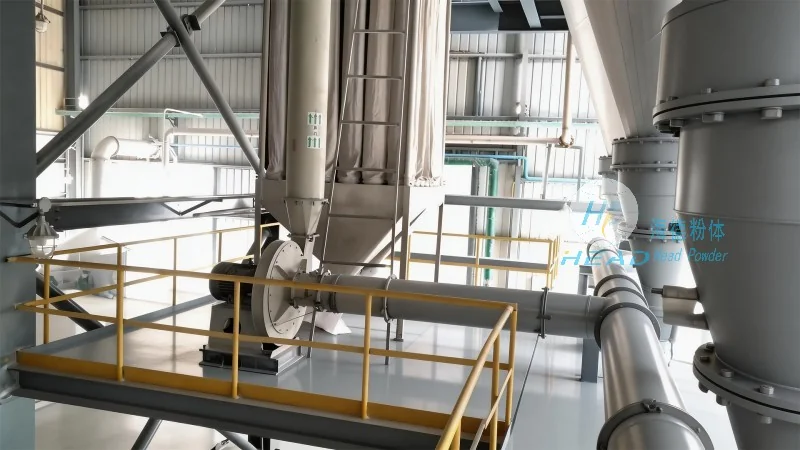
Several key design parameters are fundamental to minimizing the risk of blockages in pneumatic conveying systems for limestone and gypsum. These parameters are tailored to the specific characteristics of the material being conveyed and the operational requirements of the plant.
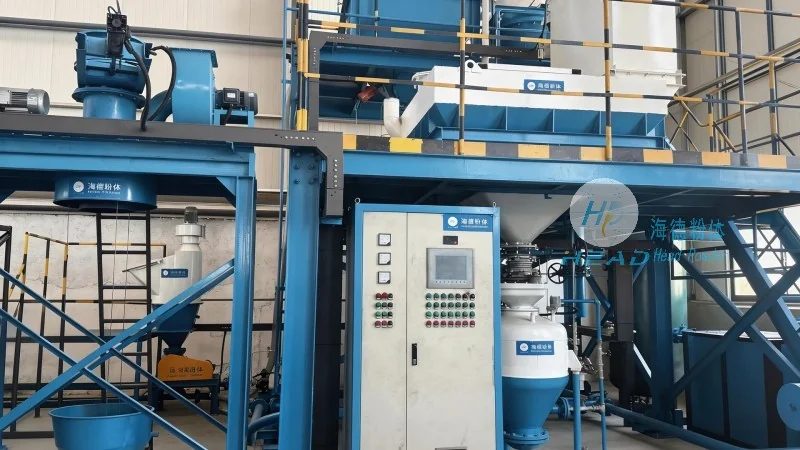
Each component of a pneumatic conveying system plays a role in preventing blockages. The feed hopper is designed with a large opening and a smooth interior to prevent material bridging or rat-holing. The conveying line is equipped with elbows and bends that are rounded to minimize friction and reduce the risk of particle accumulation at high points. The separator at the end of the line separates the material from the air, ensuring that only clean material is discharged and preventing dust from re-entering the system.
Beyond design, operational practices are vital to maintaining system performance and preventing blockages. Regular maintenance, such as checking for air leaks and ensuring proper air filtration, is essential. Monitoring system pressure and flow rates helps identify potential issues before they escalate. Additionally, adjusting the feed rate to match the system's capacity prevents overloading, which can lead to blockages. Training operators on proper system operation and maintenance also contributes to reducing the risk of blockages.
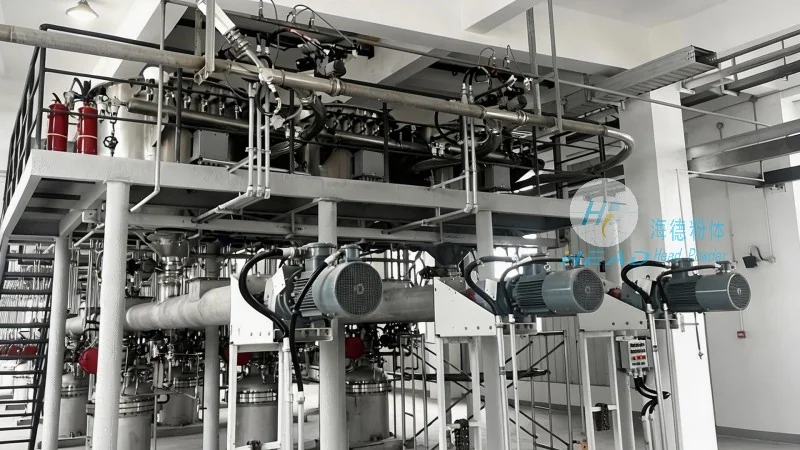
Shandong HeadPowder Engineering Co., Ltd. has extensive experience in designing and implementing pneumatic conveying systems for limestone and gypsum. One of their recent projects involved a cement plant in China that required efficient transport of limestone from a quarry to the production facility. By applying the key design parameters discussed above, the company designed a positive pressure system with a 200mm diameter pipeline and a 1:150 slope. The system was equipped with pulse cleaning devices and an efficient filter, which resulted in minimal blockages and high material throughput. The client reported a 20% reduction in downtime and a 15% increase in production efficiency compared to traditional methods. This success highlights the importance of proper system design and implementation in preventing blockages and optimizing material transport.

 Shandong Headpowder Engineering Co., Ltd.
 156-6277-7102(Manager Zhang)
  0531-83386006
  Zhangqiu District, Jinan City, Shandong Province, China
telephone
WeChatconsult
top