

Introduction to Buckwheat Hull Pneumatic Conveying and the Working Principle of Pneumatic Conveying
Understanding the mechanics of pneumatic conveying systems is crucial for industries dealing with bulk materials like buckwheat hulls. This article provides an overview of how pneumatic conveying works and introduces the capabilities of Shandong HeadPowder Engineering Co., Ltd. in designing and implementing such systems.
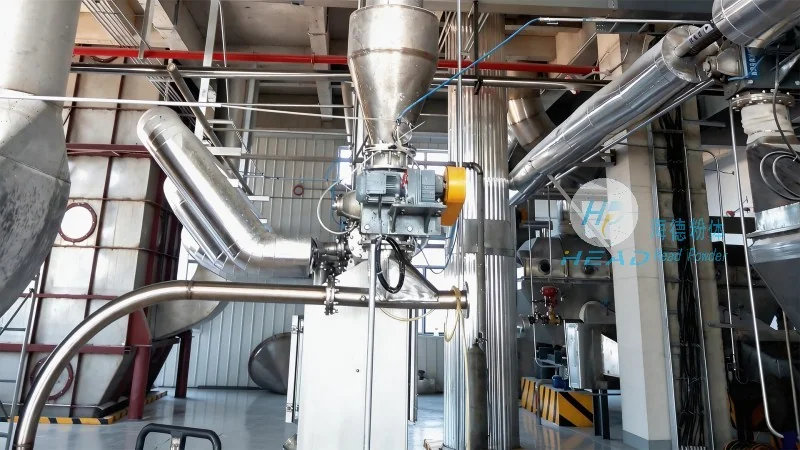
Company Profile: Shandong HeadPowder Engineering Co., Ltd.
HeadPowder, a leading engineering firm based in Shandong, China, specializes in the development of advanced material handling solutions. With a focus on efficiency and reliability, the company has built a reputation for delivering high-quality pneumatic conveying systems tailored to the unique needs of various industries, including agricultural processing and food production.
What is Pneumatic Conveying?
Pneumatic conveying, also known as pneumatic transport, is a method of transporting bulk materials through a pipeline using air or other gases. Unlike mechanical systems that rely on belts, screws, or buckets, pneumatic conveying utilizes the force of moving air to move materials from one location to another. This technology is particularly effective for handling fine powders, granules, and other loose materials, making it ideal for applications in the food, pharmaceutical, and agricultural sectors.
The Working Principle of Pneumatic Conveying Systems
The core of a pneumatic conveying system consists of several key components that work in tandem to transport materials. The primary elements include a material hopper, a conveyor line (usually a pipe), a fan or blower to generate airflow, and a receiver or discharge point. The process begins when the material is fed into the hopper, where it is then drawn into the conveyor line by the moving air.
As the air flows through the pipe, it creates a negative pressure (suction) or positive pressure (blowing) environment, depending on the system design. In suction systems, the fan pulls air and material through the line, while in blowing systems, the fan pushes air and material forward. The air velocity is carefully controlled to ensure that the material particles are suspended and carried along the pipeline without settling or causing blockages.
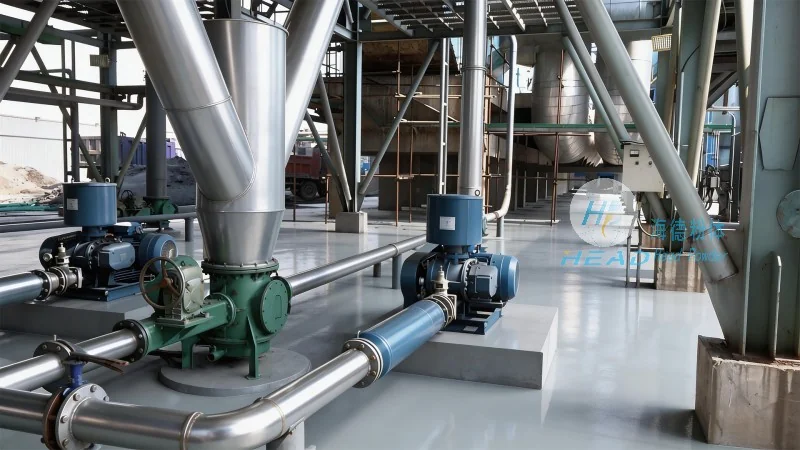
Application in Buckwheat Hull Handling
For industries processing buckwheat hulls, pneumatic conveying offers significant advantages. Buckwheat hulls are often used as animal feed, bedding, or in the production of biofuels and other value-added products. Handling these materials efficiently is essential to maintain product quality and minimize operational costs. Pneumatic conveying systems can handle the bulk transport of buckwheat hulls from storage silos or processing units to packaging or processing areas without the need for manual handling or mechanical conveyors.
One of the key benefits of using pneumatic conveying for buckwheat hulls is the ability to maintain product integrity. The enclosed system prevents contamination from external sources and reduces the risk of dust exposure for operators. Additionally, the system can be designed to handle varying particle sizes and moisture content, ensuring consistent performance even with fluctuating material characteristics.
Advantages of Pneumatic Conveying Systems
Compared to traditional mechanical conveying methods, pneumatic conveying systems offer several advantages that make them a preferred choice for many industries. These include:
Efficient material transport over long distances with minimal maintenance.
Reduced labor costs as the system automates the material handling process.
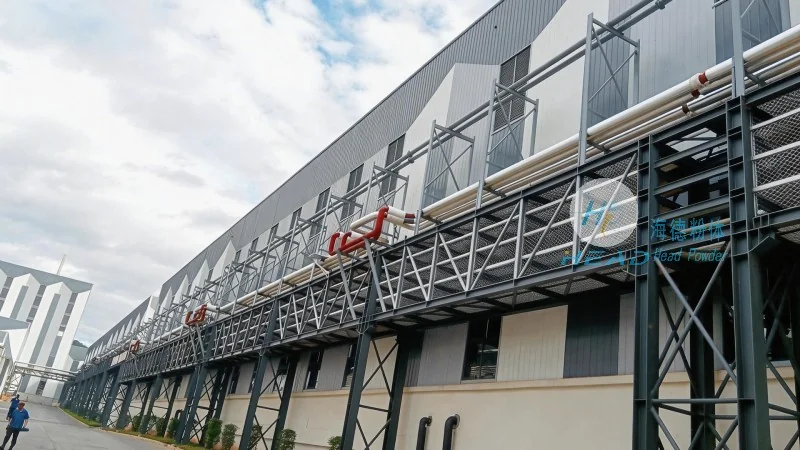
Improved safety by eliminating the need for manual handling of bulk materials.
Flexibility in system design, allowing for integration with existing processing lines.
Lower energy consumption compared to some mechanical alternatives, especially for short to medium distances.
Conclusion
Shandong HeadPowder Engineering Co., Ltd. provides comprehensive solutions for pneumatic conveying systems, including design, installation, and maintenance services. By leveraging the principles of pneumatic transport, the company helps businesses in the agricultural and food processing industries optimize their material handling processes, enhance operational efficiency, and ensure product quality. Whether for handling buckwheat hulls or other bulk materials, pneumatic conveying remains a reliable and efficient technology for modern industrial applications.