

What is a Quicklime Pneumatic Conveying Equipment? An Introduction to the Structure and Principle of
Quicklime, also known as calcium oxide (CaO), is a widely used industrial material in sectors such as construction, chemical manufacturing, and environmental treatment. The efficient and safe transportation of quicklime from storage to processing units is crucial for maintaining production efficiency and ensuring operational safety. This article provides an overview of quicklime pneumatic conveying equipment, detailing its structural design and operational principles, while highlighting the expertise of Shandong HeadPowder Engineering Co., Ltd. in providing reliable powder handling solutions.
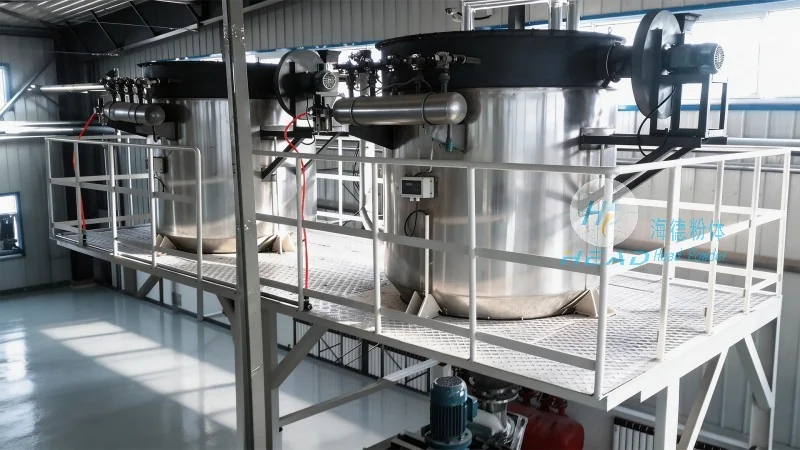
Understanding Quicklime Pneumatic Conveying Systems
Quicklime pneumatic conveying equipment is a specialized system designed to transport quicklime powder through a pipeline using compressed air or other gas as the conveying medium. Unlike traditional mechanical conveying methods, which rely on mechanical components like belts or screws, pneumatic systems utilize the force of gas to move material, offering advantages such as flexibility in layout, reduced equipment wear, and the ability to handle materials with high moisture content or abrasive properties. The core components of a typical quicklime pneumatic conveying system include a hopper for material storage, a feeder to control the flow rate, a conveying pipeline, a dust collector to capture airborne particles, and a receiver for the delivered material. Each component plays a critical role in ensuring the system operates efficiently and safely.
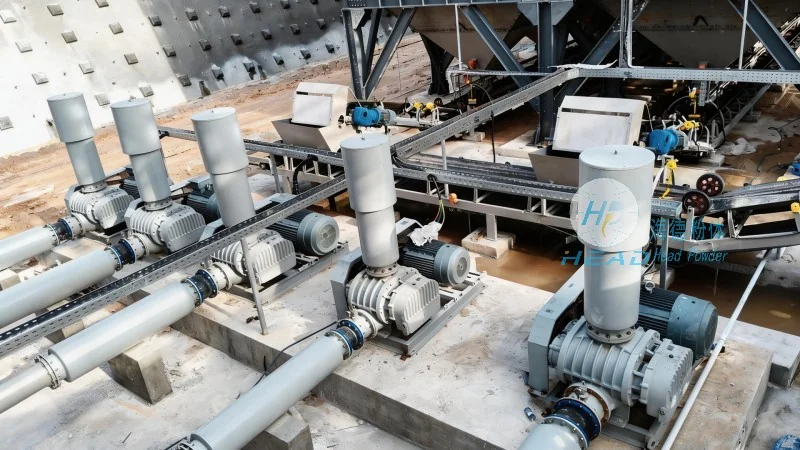
Structural Design and Operational Principles
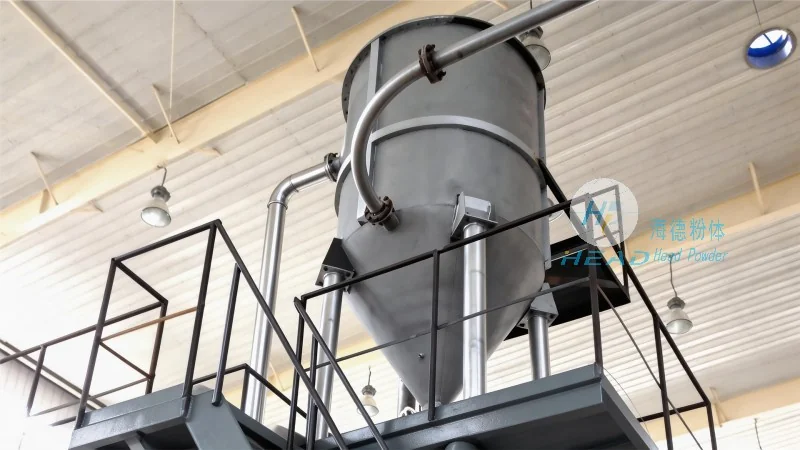
The structural design of quicklime pneumatic conveying equipment is tailored to handle the unique characteristics of quicklime, including its fine particle size, reactivity, and potential for dust generation. The system typically features a hopper with a conical bottom to facilitate material discharge, equipped with a rotary valve or star feeder to regulate the flow rate and prevent blockages. The conveying pipeline is often made of corrosion-resistant materials such as stainless steel or polyethylene to withstand the chemical properties of quicklime and minimize wear. The air compressor or blower generates the necessary pressure to move the material through the pipeline, while the dust collector, commonly a cyclone or baghouse, captures any fine particles that escape, ensuring compliance with environmental regulations and maintaining air quality in the workplace. The receiver, usually a hopper or silo, stores the delivered quicklime, ready for further processing or use.
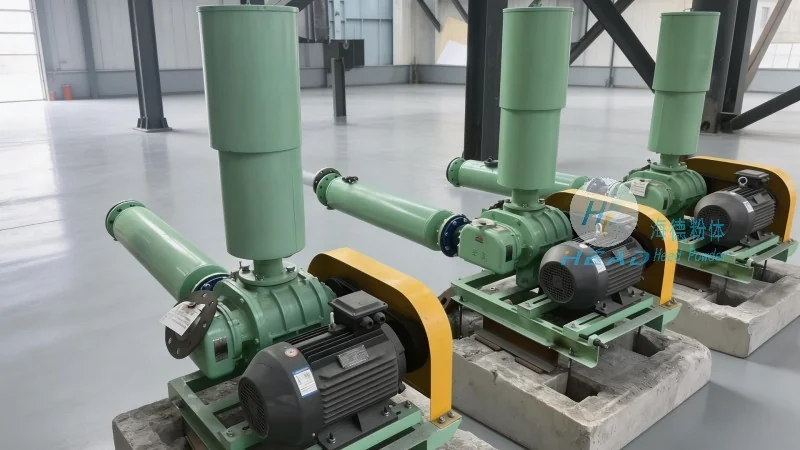
Key Advantages of Quicklime Pneumatic Conveying
Compared to traditional conveying methods, quicklime pneumatic conveying systems offer several key advantages that make them a preferred choice in industrial applications. First, the flexibility in system layout allows for easy integration into existing production facilities, with pipelines that can be routed around obstacles or through multiple processing units. Second, the reduced equipment wear and maintenance requirements result in lower operational costs over time. Third, the ability to handle materials with high moisture content or abrasive properties ensures consistent performance and minimal downtime. Additionally, the enclosed system design minimizes dust exposure, enhancing workplace safety and reducing the risk of material contamination. These advantages make quicklime pneumatic conveying equipment an essential component for industries relying on quicklime as a raw material.
Expertise of Shandong HeadPowder Engineering Co., Ltd.
Shandong HeadPowder Engineering Co., Ltd., a leading manufacturer of powder handling equipment, specializes in designing and manufacturing high-quality quicklime pneumatic conveying systems tailored to the specific needs of industrial clients. With years of experience in the industry, the company has developed a deep understanding of the unique challenges associated with quicklime transportation, including material reactivity, dust control, and system efficiency. HeadPowder engineers work closely with clients to assess their operational requirements, material characteristics, and site constraints, ensuring the final system is optimized for performance, reliability, and cost-effectiveness. The company's commitment to quality is evident in its use of advanced materials, rigorous testing protocols, and comprehensive after-sales support. By partnering with HeadPowder, industries can benefit from reliable, efficient, and safe quicklime conveying solutions that meet their production demands and comply with industry standards.