With more than 10‑year industry experience, Shandong Headpowder delivers full‑service pneumatic‑conveying systems and blowers, undertaking nationwide turn‑key powder‑handling projects.
Phosphate iron lithium (LFP) is a crucial material in modern battery technology, widely used in electric vehicles and renewable energy storage systems. The efficient and safe transportation of LFP powder is essential for industrial production processes. This article provides an overview of gas-solid transport systems, focusing on the working principles and applications in LFP material handling.
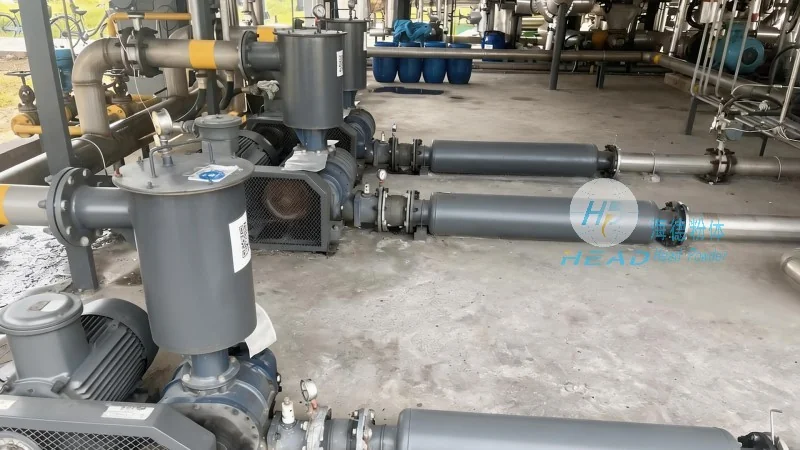
Gas-solid transport, or pneumatic conveying, is a method of moving solid particles through a pipeline using a gas stream, typically air or other gases. This technology offers several advantages over traditional mechanical conveying methods, including reduced contamination risk, lower maintenance requirements, and the ability to handle fine powders like LFP without clogging. The core components of a typical air-driven system include a material feeder, a conveying line, a control system, and a dust collection unit. The feeder ensures a consistent flow of LFP powder into the system, while the conveying line transports the material under pressure or vacuum. The control system monitors and adjusts the pressure and flow rates to maintain optimal performance. The dust collection unit ensures environmental compliance by capturing any airborne particles.
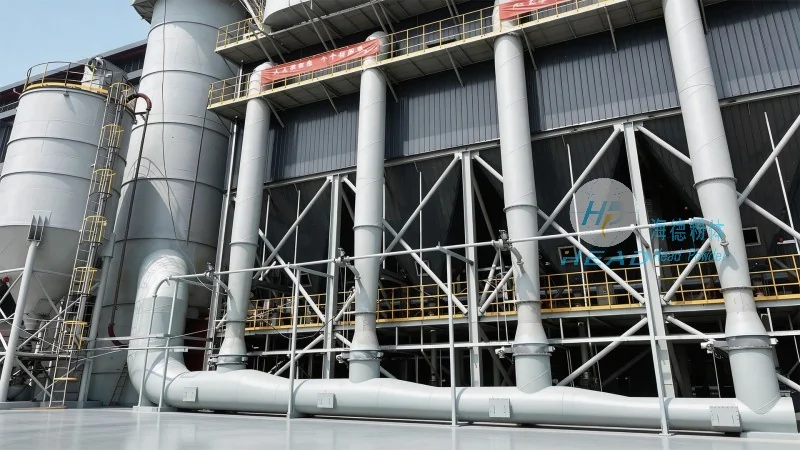
The operation of a pneumatic conveying system for LFP involves several key steps. First, the LFP powder is fed into the system through a hopper or feeder. The feeder can be a rotary valve, a screw feeder, or a vibratory feeder, depending on the material's characteristics and the required flow rate. Next, the material is introduced into the conveying line, which is typically made of stainless steel or other corrosion-resistant materials to prevent contamination and ensure durability. The conveying line is connected to a blower or compressor that generates the necessary air pressure. The air stream carries the LFP particles through the pipeline, maintaining a consistent velocity to prevent particle settling or blockage. The system may use either positive pressure (where air is pushed through the line) or negative pressure (where air is pulled through the line). Positive pressure systems are common for short to medium distances and high material loads, while negative pressure systems are suitable for longer distances and lower loads. The control system regulates the air flow and pressure to maintain the desired conveying rate. At the end of the line, the LFP powder is discharged into a receiver or storage tank. The system may also include a dust filter or cyclone separator to remove any fine particles from the exhaust air, ensuring compliance with environmental regulations.
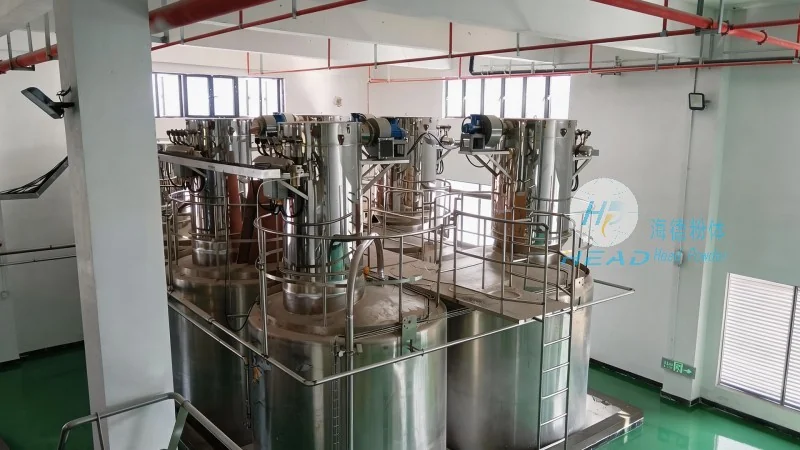
In the production of LFP batteries, gas-solid transport systems play a vital role in material handling. LFP powder is often produced through grinding and classification processes, resulting in fine particles that require careful handling to avoid agglomeration and loss. Pneumatic conveying systems provide a clean and efficient method to transport these fine powders from the grinding and classification units to the mixing and packing stages. The benefits of using air-driven systems for LFP transportation include: 1) Reduced risk of material contamination, as the system is enclosed and uses filtered air; 2) Improved safety, as there are no moving parts in direct contact with the material, minimizing the risk of dust explosions; 3) Higher material transfer efficiency, with lower energy consumption compared to mechanical conveying; 4) Flexibility in system design, allowing for integration with existing production lines and easy expansion as production scales up.
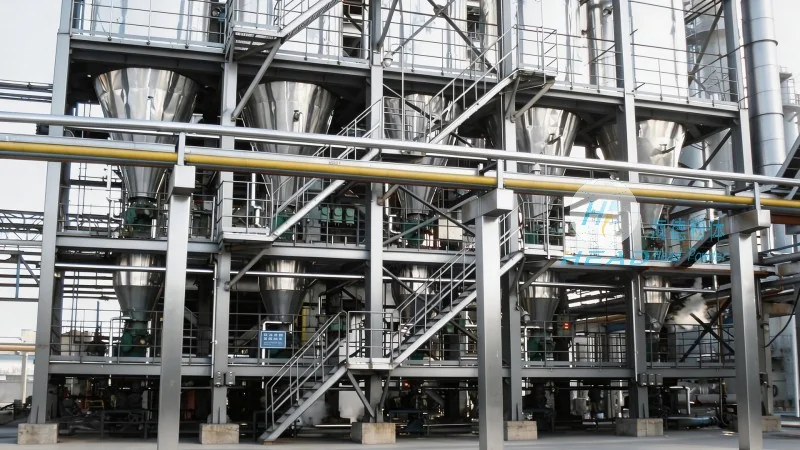
Shandong HeadPowder Engineering Co., Ltd., operating under the brand name HeadPowder, is a leading provider of specialized engineering solutions for powder handling and material transport. With a focus on innovation and customer satisfaction, HeadPowder has developed advanced gas-solid transport systems tailored to the unique requirements of the battery and material processing industries. The company's expertise lies in designing and manufacturing high-quality pneumatic conveying equipment, including feeders, conveying lines, and control systems, that meet the stringent standards of modern industrial applications. HeadPowder's solutions are designed to enhance production efficiency, ensure product quality, and promote environmental sustainability. The company serves a wide range of industries, including battery manufacturing, pharmaceuticals, food processing, and chemical production, providing customized solutions that address specific material handling challenges. HeadPowder's commitment to quality and reliability has made it a trusted partner for businesses seeking efficient and reliable powder transport solutions.

 Shandong Headpowder Engineering Co., Ltd.
 156-6277-7102(Manager Zhang)
  0531-83386006
  Zhangqiu District, Jinan City, Shandong Province, China
telephone
WeChatconsult
top