With more than 10‑year industry experience, Shandong Headpowder delivers full‑service pneumatic‑conveying systems and blowers, undertaking nationwide turn‑key powder‑handling projects.
Pneumatic conveying systems are widely used in the transportation of various powders, including foam powders, due to their efficiency and flexibility. However, when handling foam powders, the risk of pipeline blockages increases significantly, which can lead to operational disruptions and increased maintenance costs. To ensure smooth and reliable operation, it is crucial to understand the key design parameters that mitigate these risks.
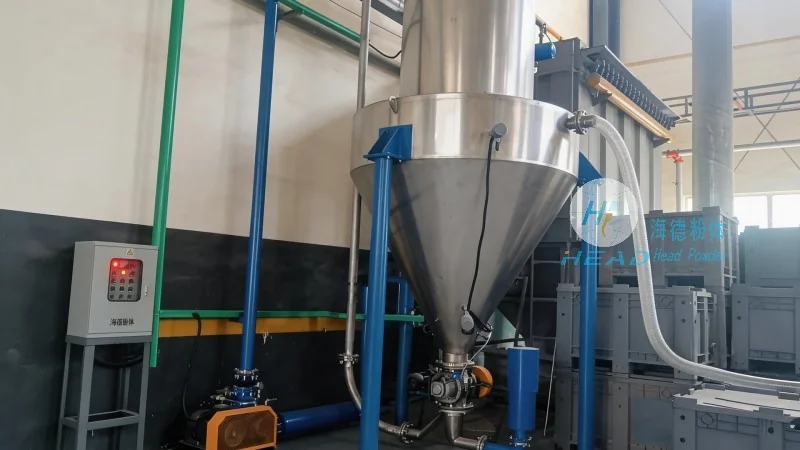
Foam powders, characterized by their low bulk density and high air content, present unique challenges in pneumatic conveying. The primary causes of blockages include agglomeration, bridging, and the formation of air pockets. These issues can be exacerbated by factors such as moisture content, particle size distribution, and the type of conveying air. Therefore, the design of the system must address these challenges through careful consideration of several critical parameters.
One of the most important design parameters is the air velocity. Maintaining an appropriate air velocity is essential to prevent the particles from settling and forming blockages. The air velocity should be high enough to keep the particles in suspension but not so high that it causes excessive wear on the system components. For foam powders, a typical air velocity range is between 20 to 30 meters per second, depending on the particle size and density.
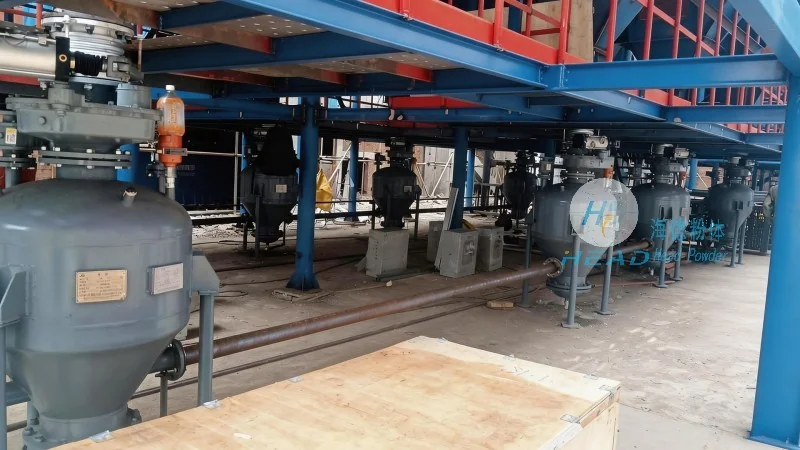
Another critical parameter is the conveying line diameter. The diameter of the pipeline directly affects the pressure drop and the ability of the system to handle the foam powder. A larger diameter reduces the pressure drop and minimizes the risk of blockages, as it allows for better flow and reduces the likelihood of particle accumulation. However, a larger diameter also increases the cost of the system and may require more space. Therefore, a balance must be struck between the diameter and the overall system efficiency.
The type of air supply also plays a significant role in preventing blockages. Using compressed air with a consistent pressure and temperature can help maintain the desired air velocity and prevent moisture buildup, which can lead to agglomeration. Additionally, incorporating air filters and dryers can remove contaminants and moisture from the air, further reducing the risk of blockages.
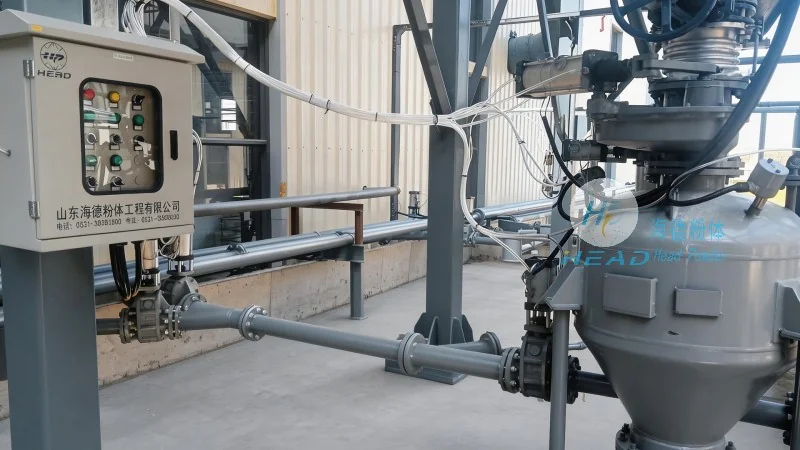
The material of the conveying line is another important consideration. The material must be resistant to the abrasive nature of foam powders and any potential chemical reactions. Stainless steel is commonly used due to its corrosion resistance and durability. However, for systems handling highly abrasive powders, specialized materials such as polyethylene or rubber-lined pipes may be required.
The use of in-line mixers and agitators can also help prevent blockages by ensuring that the foam powder is well mixed with the conveying air. These devices help break up agglomerates and maintain a uniform flow, reducing the likelihood of bridging and other blockage-related issues.
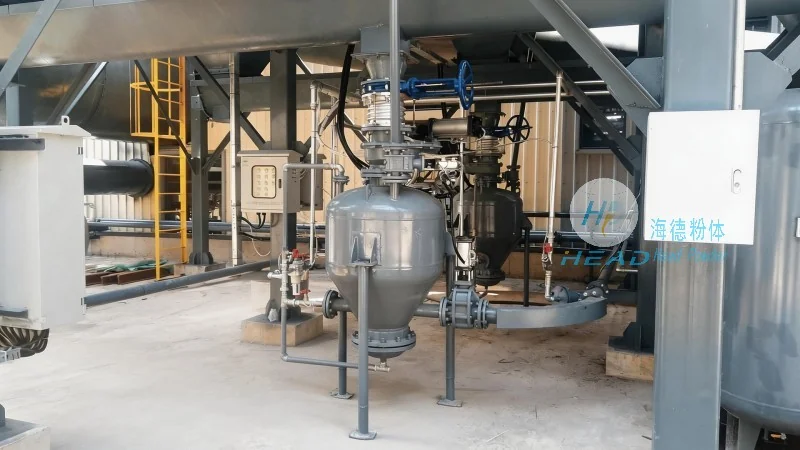
Regular maintenance and monitoring are essential to ensure the system operates efficiently and prevents blockages. This includes checking for wear and tear on components, monitoring air pressure and flow rates, and cleaning the system regularly. Implementing a preventive maintenance schedule can significantly reduce the frequency of blockages and extend the lifespan of the equipment.
In conclusion, preventing pipeline blockages in pneumatic conveying systems for foam powders requires a comprehensive approach that considers multiple design parameters. By optimizing air velocity, line diameter, air supply quality, material selection, and incorporating appropriate mixing devices, operators can minimize the risk of blockages and ensure the smooth operation of their systems. For companies in need of reliable pneumatic conveying solutions for foam powders, Shandong HeadPowder Engineering Co., Ltd. offers expert design and implementation services tailored to these specific challenges.

 Shandong Headpowder Engineering Co., Ltd.
 156-6277-7102(Manager Zhang)
  0531-83386006
  Zhangqiu District, Jinan City, Shandong Province, China
telephone
WeChatconsult
top