With more than 10‑year industry experience, Shandong Headpowder delivers full‑service pneumatic‑conveying systems and blowers, undertaking nationwide turn‑key powder‑handling projects.
Calcite, a widely used calcium carbonate mineral, is essential in industries like construction, pharmaceuticals, and chemicals. Efficient material handling is critical for calcite processing, and pneumatic conveying systems offer a robust solution. This overview, provided by Shandong HeadPowder Engineering Co., Ltd. (headpowder), details the working principles and applications of calcite pneumatic conveying systems, focusing on their efficiency and reliability.
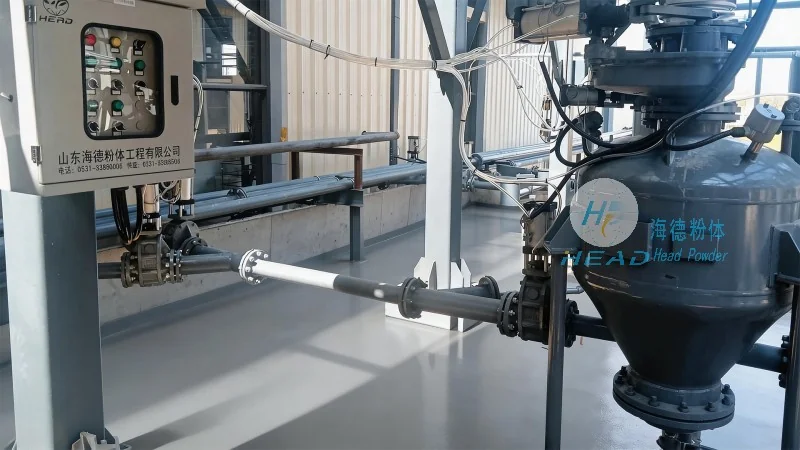
Pneumatic conveying systems utilize air or gas to transport bulk materials like calcite through a pipeline network. These systems are designed to move materials from a source point to a destination point without the need for mechanical components like belts or buckets. The core components of a typical pneumatic conveying system include a material feed hopper, a conveyor line, a control valve, and a dust collector or filter system. The system operates by creating a pressure differential between the inlet and outlet of the conveyor line, which draws the calcite material into the system and propels it forward.
The operation of a calcite pneumatic conveying system is based on several fundamental principles. First, the material is fed into the system from a hopper, where it is then introduced into the conveyor line. A fan or blower generates the necessary airflow, creating a pressure drop that pulls the calcite particles into the pipeline. The air and material mixture travels through the conveyor line, with the calcite particles suspended in the air stream. At the destination point, the material is separated from the air using a cyclone separator or a bag filter, and the calcite is collected in a receiving bin. The air is then filtered and discharged back into the environment.
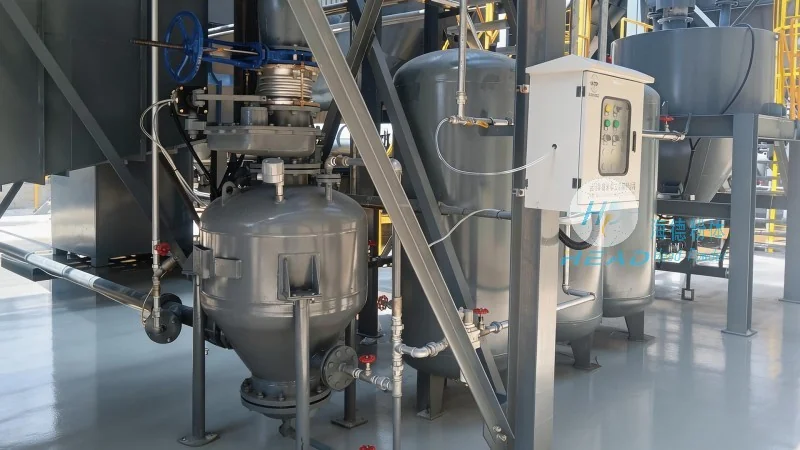
Each component of a calcite pneumatic conveying system plays a critical role in ensuring efficient and safe operation. The material feed hopper is responsible for storing and feeding the calcite material into the system at a controlled rate. The conveyor line, typically made of stainless steel or other corrosion-resistant materials, is designed to withstand the abrasive nature of calcite particles and the pressure of the air flow. The control valve regulates the flow of air and material, allowing for adjustments to the conveying rate and pressure. The dust collector or filter system is essential for removing airborne particles and ensuring compliance with environmental regulations. The fan or blower provides the necessary airflow and pressure to drive the calcite material through the system.
There are several advantages to using pneumatic conveying systems for calcite handling. One of the primary benefits is the ability to transport calcite in a closed system, which prevents dust contamination and protects the material from moisture and other environmental factors. Pneumatic conveying systems are also highly flexible, as they can be easily integrated into existing production lines and can handle varying material flow rates. Additionally, these systems are relatively low maintenance compared to other material handling methods, as they have fewer moving parts and require less frequent cleaning. The closed system design also enhances workplace safety by reducing the risk of dust exposure and improving overall air quality.
Calcite pneumatic conveying systems are widely used in various industries that require the handling of calcite powder and granules. In the construction industry, calcite is used as a filler in cement and concrete, and pneumatic conveying systems are used to transport calcite from storage silos to mixing plants. In the pharmaceutical industry, calcite is used as an excipient in drug formulations, and pneumatic conveying systems are used to transport calcite from raw material storage to production lines. In the chemical industry, calcite is used as a raw material in the production of calcium carbonate products, and pneumatic conveying systems are used to transport calcite from mining sites to processing facilities. The versatility of pneumatic conveying systems makes them suitable for a wide range of calcite handling applications.
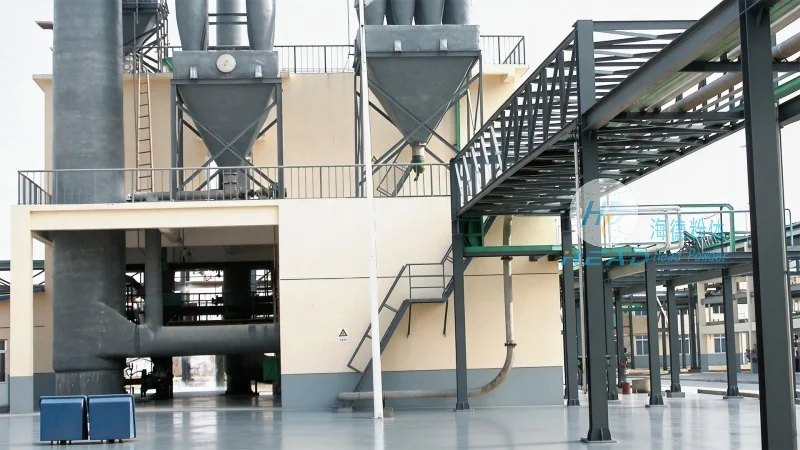
When designing a calcite pneumatic conveying system, several factors must be considered to ensure optimal performance and efficiency. The first consideration is the material characteristics of calcite, including its particle size, density, and moisture content. These factors affect the conveying velocity and pressure requirements of the system. The second consideration is the system layout, including the length and diameter of the conveyor line, as well as the number of bends and turns. The third consideration is the environmental regulations and safety requirements, which may dictate the need for dust collection and filtration systems. Finally, the cost of the system and its maintenance must be considered to ensure that the system is economically viable for the application.
Calcite pneumatic conveying systems are an efficient and reliable method for transporting calcite powder and granules in various industrial applications. The working principles of these systems, which involve the use of air or gas to transport materials through a pipeline network, have been well-established and proven effective. The key components of a calcite pneumatic conveying system, including the material feed hopper, conveyor line, control valve, and dust collector, work together to ensure the safe and efficient handling of calcite. The advantages of using pneumatic conveying systems, such as closed system operation, flexibility, and low maintenance, make them a preferred choice for many industries. As the demand for calcite continues to grow, the use of pneumatic conveying systems will likely become even more prevalent in the future.

 Shandong Headpowder Engineering Co., Ltd.
 156-6277-7102(Manager Zhang)
  0531-83386006
  Zhangqiu District, Jinan City, Shandong Province, China
telephone
WeChatconsult
top