

How to Prevent Pipeline Blockages in Pneumatic Conveying Systems for Foam Particulate Transport? Key
For industries dealing with foam particulate materials, the efficiency and reliability of pneumatic conveying systems are paramount. A common challenge in such operations is the risk of pipeline blockages, which can halt production and lead to costly downtime. Understanding and implementing the right design parameters is crucial to mitigate these risks and ensure smooth material transport. This article explores effective strategies to prevent pipeline blockages in pneumatic conveying systems specifically for foam particulates, while highlighting key design considerations that contribute to system performance and longevity.
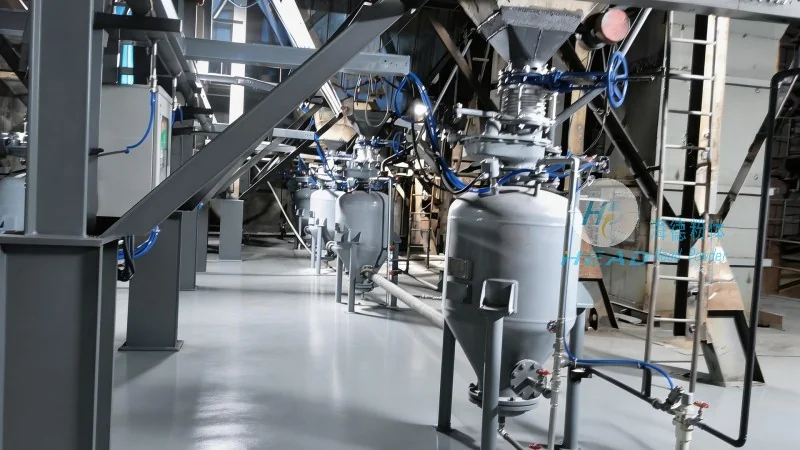
Understanding Foam Particulate Characteristics and Their Impact on Pneumatic Conveying
Before delving into system design, it is essential to consider the unique properties of foam particulates. These materials often exhibit low bulk density, high moisture content, and variable particle sizes, which can significantly affect how they behave within a pneumatic conveying system. The flow characteristics of foam particles, such as their tendency to agglomerate or settle, directly influence the risk of blockages. For instance, if foam particles have a high tendency to stick together, they may form larger clumps that can obstruct the pipeline. Conversely, if the particles are too fine, they might create dust that can accumulate and cause clogging. Therefore, a thorough analysis of the foam particulate's physical and chemical properties is the first step in designing an effective pneumatic conveying system.
System Pressure and Velocity: Balancing for Optimal Transport
One of the most critical design parameters in pneumatic conveying is the system pressure and the resulting air velocity. The pressure level determines the force available to move the material through the pipeline, while the velocity affects the particle's suspension and transport efficiency. For foam particulates, maintaining an appropriate pressure and velocity is vital to prevent particle deposition and blockages. Typically, higher pressures are required to overcome the resistance caused by foam's low density and potential agglomeration. However, excessive pressure can lead to excessive wear on system components and energy inefficiency. Similarly, air velocities that are too low may cause particles to settle and accumulate, while excessively high velocities can cause erosion and increased energy consumption. The optimal pressure and velocity are often determined through pilot testing or by referring to established industry guidelines tailored to foam particulate characteristics. By striking the right balance, operators can ensure that foam particles remain suspended and move smoothly through the pipeline, reducing the likelihood of blockages.
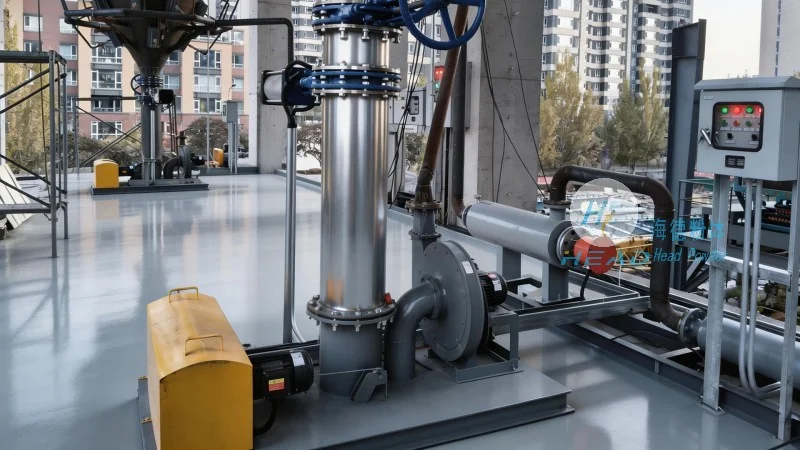
Pipeline Diameter and Material: Choosing the Right Components
The diameter of the conveying pipeline is another critical factor in preventing blockages. Smaller diameter pipes may not provide sufficient space for foam particles to flow freely, especially if the particles are prone to agglomeration. Conversely, excessively large pipes can lead to lower air velocities and increased energy costs. The ideal diameter is typically determined based on the particle size distribution and the required flow rate. For foam particulates, a slightly larger diameter may be preferred to accommodate potential particle clustering and to reduce the risk of clogging. Additionally, the material of the pipeline itself plays a role. Materials like stainless steel or corrosion-resistant alloys are commonly used to prevent material buildup and maintain the integrity of the system over time. Properly selecting the pipeline diameter and material ensures that the system can handle the foam particulate load without experiencing blockages or degradation.
Use of Specialized Equipment: Enhancing System Performance
In addition to pressure, velocity, and pipeline design, the use of specialized equipment can significantly improve the performance of pneumatic conveying systems for foam particulates. For example, the incorporation of in-line mixers or agitators can help break up agglomerates and maintain particle suspension. These devices ensure that foam particles remain evenly distributed within the air stream, reducing the risk of localized blockages. Another important component is the use of cyclone separators or filters to remove any fine particles or dust from the system. This not only prevents clogging but also protects downstream equipment from wear and tear. Furthermore, the installation of pressure relief valves or check valves can help manage pressure surges and prevent excessive backpressure that might lead to blockages. By integrating these specialized equipment into the system design, operators can enhance the overall efficiency and reliability of the pneumatic conveying process for foam particulates.
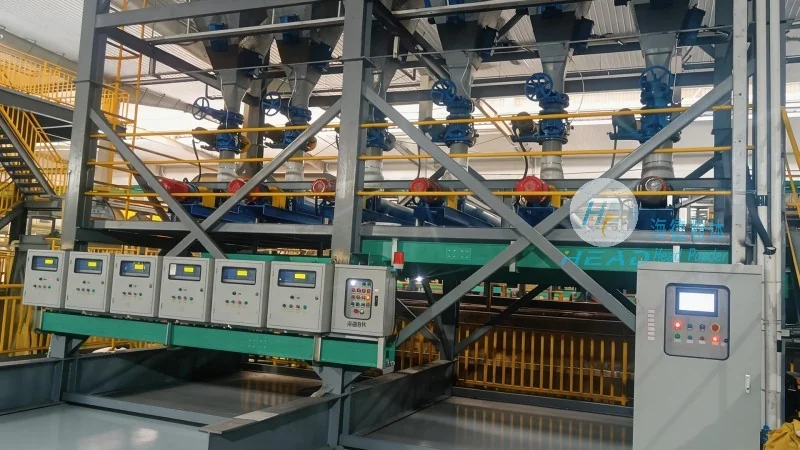
Monitoring and Maintenance: Proactive Measures for Longevity
Even with optimal design parameters, regular monitoring and maintenance are essential to prevent pipeline blockages and ensure the long-term performance of pneumatic conveying systems. Implementing a proactive maintenance schedule that includes routine inspections of pipeline components, pressure monitoring, and air flow checks can help identify potential issues before they escalate into blockages. Additionally, using sensors to monitor particle flow and air pressure in real-time allows for immediate adjustments if any abnormalities are detected. Regular cleaning of the pipeline and equipment, especially after periods of low activity or when handling different material types, can prevent the buildup of residue that may lead to clogging. By combining effective design with diligent monitoring and maintenance, industries can minimize the risk of blockages and ensure consistent operation of their pneumatic conveying systems for foam particulates.
Conclusion: Optimizing Pneumatic Conveying for Foam Particulates
Preventing pipeline blockages in pneumatic conveying systems for foam particulates requires a comprehensive approach that considers material characteristics, system design parameters, and operational practices. By carefully selecting the appropriate pressure and velocity, choosing the right pipeline diameter and material, integrating specialized equipment, and implementing proactive monitoring and maintenance, operators can significantly reduce the risk of blockages and enhance system efficiency. The key is to tailor the system design to the unique properties of foam particulates, ensuring that the material flows smoothly and reliably through the pipeline. As a leading provider of pneumatic conveying solutions, Shandong HeadPowder Engineering Co., Ltd. specializes in designing and implementing such systems, leveraging years of experience and expertise to deliver customized solutions that meet the specific needs of industries handling foam particulates. With a focus on preventing blockages and optimizing performance, HeadPowder's systems are engineered to provide reliable and efficient material transport, minimizing downtime and maximizing productivity for their clients.