

Calcium Powder Pneumatic Conveying Equipment: An Introduction to Its Structure and Working Principle
When it comes to efficiently transporting calcium powder and other fine powders, pneumatic conveying systems offer a reliable and effective solution. These systems are designed to handle materials like calcium powder, which can be challenging to move due to their fine particle size and potential for dust generation. Understanding the structure and working principle of such equipment is crucial for optimizing material handling processes in various industrial applications.
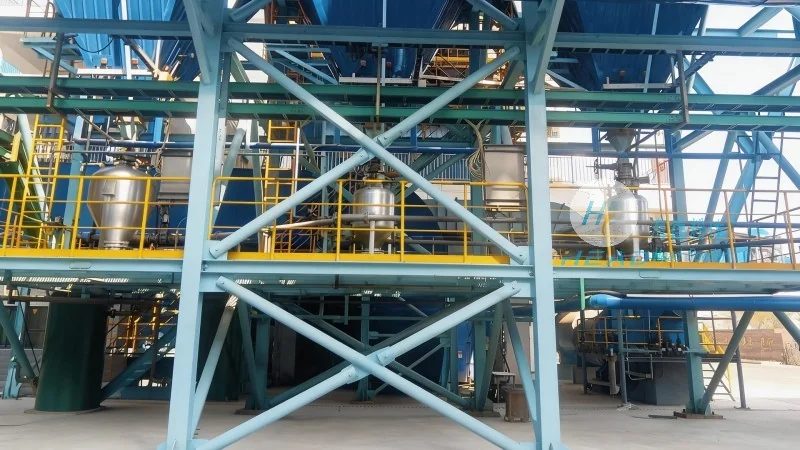
Overview of Pneumatic Conveying Systems for Calcium Powder
Pneumatic conveying systems utilize air or gas to transport bulk materials through a pipeline network. For calcium powder, these systems are engineered to ensure minimal product degradation, maintain product purity, and provide a dust-free operation environment. The design of the equipment is tailored to the specific characteristics of calcium powder, such as its flowability, moisture content, and potential for caking or agglomeration.
Key Components of a Calcium Powder Pneumatic Conveying System
The core components of a calcium powder pneumatic conveying system include the material feed hopper, the air compressor or blower, the conveying pipeline, the separation or filtration unit, and the discharge or collection hopper. Each component plays a vital role in the overall operation of the system.
Firstly, the material feed hopper is responsible for storing and feeding the calcium powder into the system. It is typically equipped with a rotary valve or a feeder to control the flow rate of the material, ensuring a consistent and controlled feed. The hopper is designed to prevent material buildup and maintain a stable flow, which is essential for preventing blockages in the pipeline.
Secondly, the air compressor or blower generates the necessary air pressure to move the calcium powder through the pipeline. The choice of compressor type depends on factors such as the required conveying distance, the volume of material to be transported, and the desired velocity of the material-air mixture. For calcium powder, a positive displacement blower or a centrifugal fan may be used, depending on the specific application requirements.
Thirdly, the conveying pipeline is the main channel through which the calcium powder is transported. The pipeline is usually made of stainless steel or other corrosion-resistant materials to prevent contamination and ensure durability. The diameter and length of the pipeline are carefully selected to maintain the optimal velocity of the material-air mixture, which is critical for preventing material deposition and ensuring efficient transport.
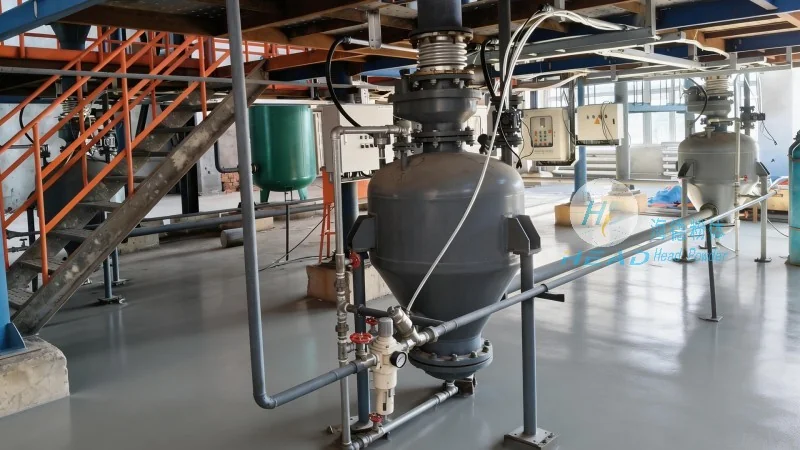
Fourthly, the separation or filtration unit is used to separate the calcium powder from the air stream at the end of the conveying process. This unit may include a cyclone separator, a bag filter, or a combination of both. The cyclone separator uses centrifugal force to separate the larger particles from the air, while the bag filter captures the finer particles, ensuring that the discharged air is clean and the material is free from contaminants.
Fifthly, the discharge or collection hopper is where the calcium powder is collected after it has been separated from the air. This hopper is designed to store the material until it is further processed or packaged. It may be equipped with a discharge valve or a conveyor to transfer the material to the next stage of the production process.
Working Principle of the Calcium Powder Pneumatic Conveying System
The operation of a calcium powder pneumatic conveying system involves several steps. Initially, the calcium powder is fed into the material hopper from a storage silo or a batch container. The rotary valve then controls the flow rate of the material, ensuring a steady supply to the system.
Next, the air compressor or blower starts and generates the required air pressure. The air is then introduced into the conveying pipeline, creating a flow of air that carries the calcium powder particles. The material-air mixture travels through the pipeline at a high velocity, which is sufficient to overcome the gravitational forces and maintain the material in suspension.
As the mixture reaches the end of the pipeline, it enters the separation or filtration unit. The cyclone separator first separates the larger particles from the air stream, directing them into the collection hopper. The finer particles are then captured by the bag filter, which prevents them from being released into the environment as dust.
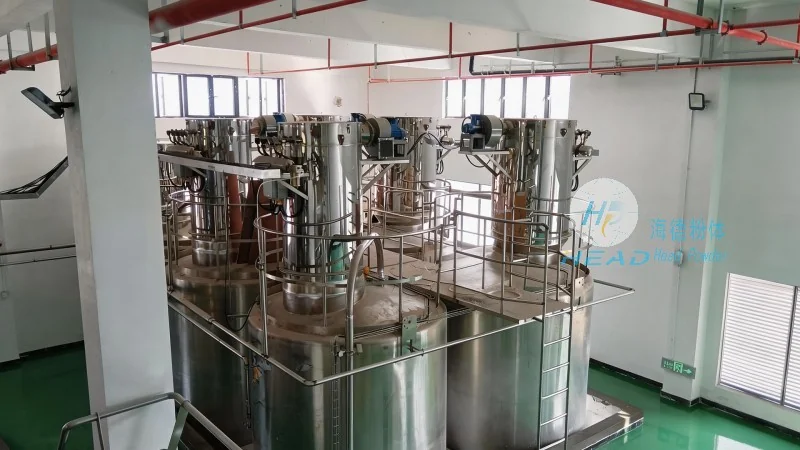
The clean air, now free from calcium powder particles, is discharged from the system and can be reused or vented to the atmosphere. The collected calcium powder is then ready for further processing or packaging.
Advantages of Using Pneumatic Conveying for Calcium Powder
There are several advantages to using pneumatic conveying systems for calcium powder. Firstly, these systems provide a dust-free operation environment, which is crucial for maintaining product quality and ensuring worker safety. Unlike mechanical conveying systems, which can generate significant dust and cause health hazards, pneumatic systems keep the material contained within the pipeline.
Secondly, pneumatic conveying systems offer high efficiency in material transport. The ability to transport calcium powder over long distances with minimal loss and degradation makes these systems ideal for large-scale industrial applications. The consistent flow rate and controlled velocity ensure that the material is transported reliably and without interruption.
Thirdly, the design of pneumatic conveying systems allows for flexibility in the layout of the production facility. The pipeline can be installed in various configurations, such as vertical, horizontal, or a combination of both, to accommodate the specific needs of the plant layout. This flexibility reduces the need for additional equipment and space, making the system more cost-effective.
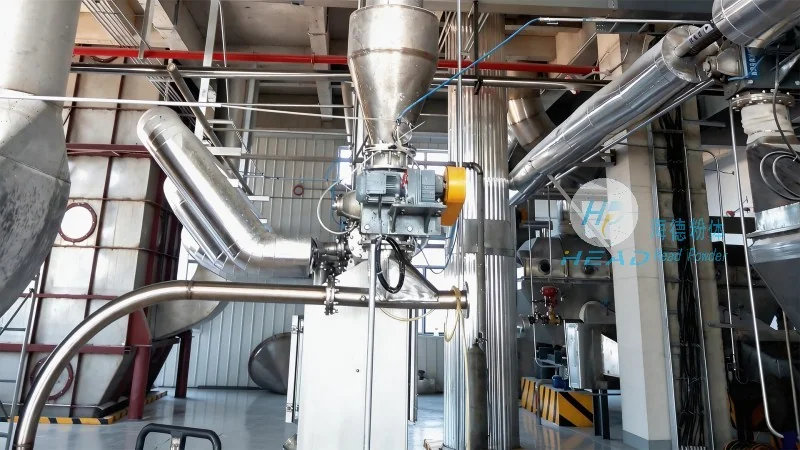
Fourthly, the use of pneumatic conveying systems for calcium powder can improve the overall production process. By minimizing material loss and contamination, these systems help to maintain product quality and reduce waste. The consistent flow rate and controlled temperature (if required) ensure that the calcium powder remains in its optimal condition throughout the transport process.
Applications of Calcium Powder Pneumatic Conveying Equipment
Calcium powder pneumatic conveying equipment is widely used in various industries that handle fine powders. Some common applications include the food and beverage industry, where calcium powder is used as a nutritional supplement or a flavoring agent. In the pharmaceutical industry, calcium powder is used as an excipient or a raw material for drug formulations. The chemical industry also utilizes calcium powder in the production of various chemicals and compounds.
In the construction industry, calcium powder is used as a component in cement and concrete mixtures. The ability to transport calcium powder efficiently and reliably is essential for maintaining the quality of these building materials. The automotive industry also uses calcium powder in the production of lubricants and other automotive components.
Conclusion
Pneumatic conveying systems for calcium powder are an essential component in modern industrial processes. The design and operation of these systems are tailored to the specific characteristics of calcium powder, ensuring efficient and reliable transport. By understanding the structure and working principle of such equipment, manufacturers can optimize their material handling processes and improve overall productivity.
Shandong HeadPowder Engineering Co., Ltd., a leading manufacturer of powder handling equipment, specializes in providing customized pneumatic conveying solutions for calcium powder and other fine powders. With years of experience in the industry, the company offers high-quality equipment that meets the specific needs of its clients. The company's headquarters is located in Shandong, China, and it serves clients worldwide with its reliable and efficient products.