With more than 10‑year industry experience, Shandong Headpowder delivers full‑service pneumatic‑conveying systems and blowers, undertaking nationwide turn‑key powder‑handling projects.
HeadPowder, a leading engineering company based in Shandong, China, specializes in the design and implementation of efficient pneumatic conveying systems for agricultural materials like paddy husk. This article provides a detailed overview of the operation process and working principles of such systems, highlighting the technical aspects and practical applications that make them indispensable in modern agricultural processing and material handling.
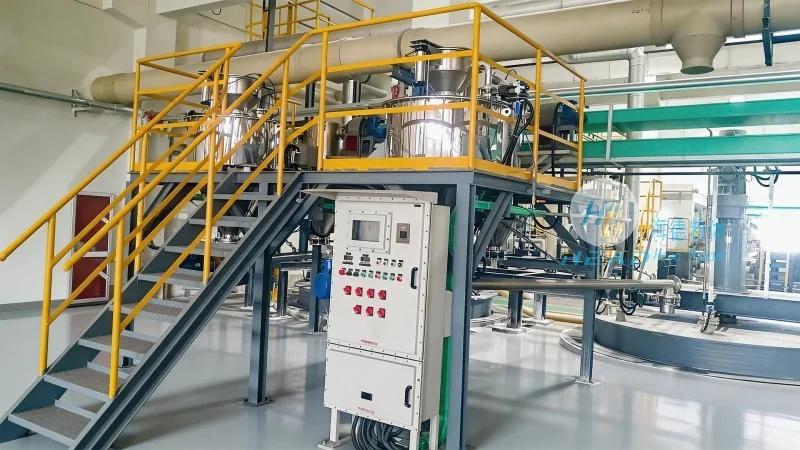
HeadPowder, with its headquarters in Shandong, China, is a reputable engineering firm dedicated to delivering high-quality pneumatic conveying solutions. The company's expertise lies in customizing systems that meet the specific needs of clients, ensuring optimal performance and reliability in material transport. By leveraging advanced engineering principles and robust manufacturing standards, HeadPowder has established itself as a trusted partner in the agricultural and industrial sectors for pneumatic conveying equipment.
Paddy husk, a byproduct of rice processing, is often transported using pneumatic conveying systems due to its lightweight nature and the need for dust-free handling. These systems utilize air pressure to move materials through pipelines, offering advantages such as reduced labor costs, minimal material degradation, and improved safety compared to traditional methods like manual handling or mechanical conveyors. The efficiency of pneumatic conveying in handling paddy husk is crucial for optimizing the overall rice processing workflow.
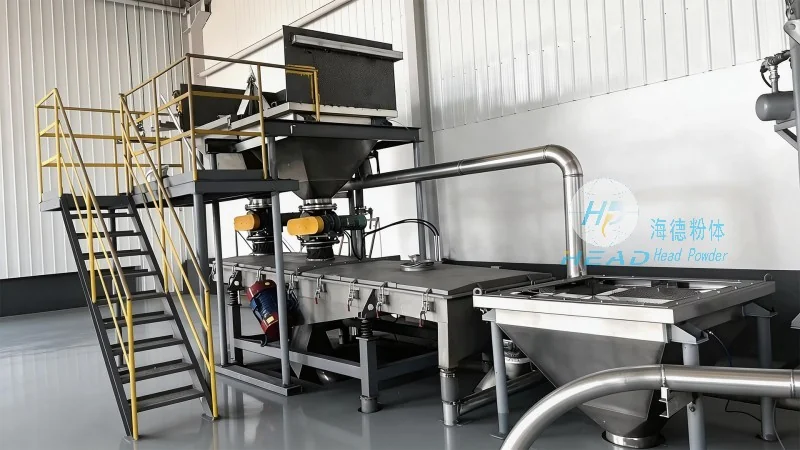
The core working principle of a pneumatic conveying system involves the use of compressed air to create a flow that transports the material from the source to the destination. In the case of paddy husk, the system typically consists of a hopper for material storage, a blower or air compressor to generate the necessary air pressure, and a pipeline network that guides the material. The material is introduced into the system, often through a feeder, and is entrained by the moving air, traveling through the pipeline to the discharge point. The system may also include components like filters, cyclones, and separators to ensure clean air and prevent material buildup.
The operation process of a paddy husk pneumatic conveying system begins with the loading of the material into the hopper. The feeder then regulates the flow of paddy husk into the pipeline, ensuring a consistent and controlled feed rate. The blower then activates, generating the required air pressure to move the material through the system. As the air and material mixture travels through the pipeline, it reaches the discharge point, where the material is separated from the air using a cyclone or other separation device. The separated material is then collected, while the clean air is either recirculated or discharged, depending on the system design. This process is continuous and can be automated to maintain optimal performance and efficiency.
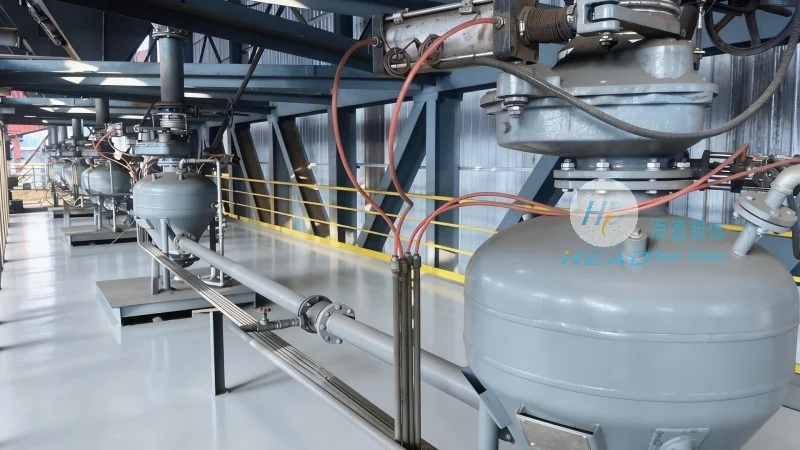
Several key components are integral to the effective operation of a paddy husk pneumatic conveying system. The hopper serves as the storage container, holding the paddy husk and providing a consistent feed to the feeder. The feeder, often a rotary or vibratory type, controls the material flow rate, preventing overloading or underloading of the system. The blower or air compressor is responsible for generating the necessary air pressure, which is critical for moving the material through the pipeline. The pipeline network, made of durable materials like stainless steel or plastic, ensures the material is transported efficiently and without leakage. Additionally, components like filters, cyclones, and separators are essential for maintaining air quality and preventing material blockages.
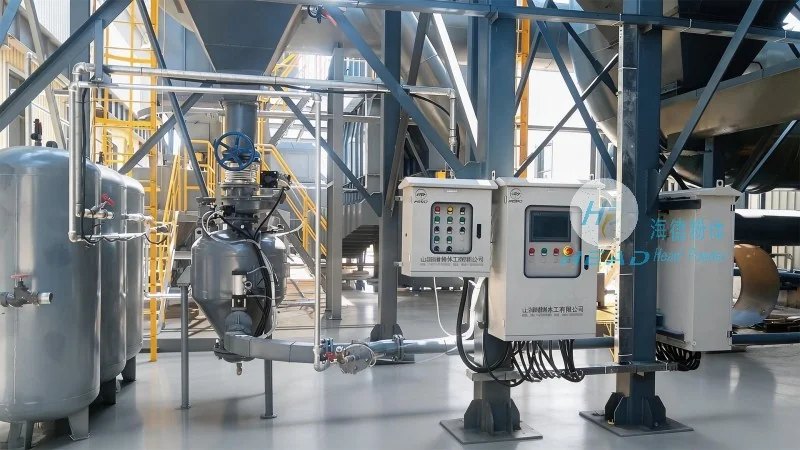
Implementing a pneumatic conveying system for paddy husk offers several advantages over traditional material handling methods. Firstly, it reduces labor costs by automating the transport process, minimizing the need for manual handling. Secondly, it minimizes material degradation, as the system operates at lower speeds and with less impact compared to mechanical conveyors. Thirdly, it enhances safety by eliminating the need for workers to handle loose materials, reducing the risk of dust exposure and accidents. Additionally, pneumatic conveying systems are more compact and flexible, allowing for easy integration into existing processing facilities and adaptation to changing production needs.
HeadPowder understands that each agricultural processing facility has unique requirements, which is why they offer customized pneumatic conveying systems tailored to specific applications. Factors such as the volume of paddy husk to be transported, the distance between the source and destination, and the existing infrastructure play a crucial role in determining the system design. The company's engineers work closely with clients to assess these factors and develop a solution that maximizes efficiency and cost-effectiveness. Whether for small-scale or large-scale operations, HeadPowder's pneumatic conveying systems are designed to meet the diverse needs of the agricultural industry.

 Shandong Headpowder Engineering Co., Ltd.
 156-6277-7102(Manager Zhang)
  0531-83386006
  Zhangqiu District, Jinan City, Shandong Province, China
telephone
WeChatconsult
top