

[What is a Carbon Black Powder Material Handling System? What is its Design Principle?]
Carbon black powder, a critical additive in various industries such as rubber, plastics, and coatings, presents unique challenges during material handling due to its fine particle size, high density, and tendency to generate dust. Traditional bulk material handling methods often fall short when dealing with carbon black powder, leading to issues like material loss, equipment wear, and safety hazards. To address these challenges, specialized carbon black powder material handling systems have been developed, integrating advanced engineering principles to ensure efficient, safe, and reliable transport of the material. This article explores the core components and design principles of such systems, highlighting their importance in industrial applications.
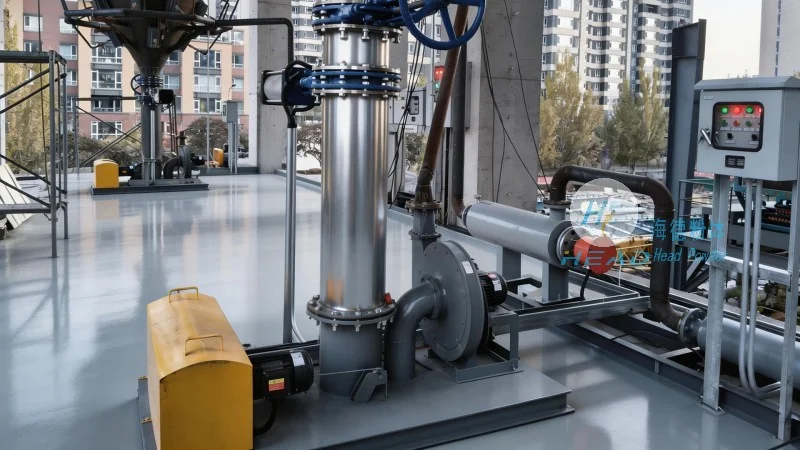
Key Characteristics of Carbon Black Powder and Their Impact on Handling
Carbon black powder is characterized by its ultra-fine particles, typically ranging from 10 to 500 nanometers, which contribute to its high surface area and reactivity. These particles exhibit poor flowability and can easily agglomerate, making it difficult to feed and transport them through conventional conveyors. Additionally, carbon black is a combustible material, and its dust can pose significant fire and explosion risks if not handled properly. Therefore, the design of a carbon black powder material handling system must prioritize dust suppression, explosion prevention, and material integrity. The system must also account for the material's density, which can vary depending on the production process and grade, affecting the required power and equipment capacity.
Design Principles for Carbon Black Powder Material Handling Systems
The design of a carbon black powder material handling system is guided by several key principles aimed at optimizing performance, safety, and cost-effectiveness. First, the system must ensure consistent and reliable material flow from the source to the destination. This is achieved through the use of specialized feeding equipment, such as rotary valves or screw feeders, which can handle the cohesive and dusty nature of carbon black powder without causing blockages or material degradation. Second, the choice of conveyor technology is critical. For long-distance or high-volume transport, pneumatic (air-assisted) conveying systems are often preferred, as they can handle fine powders efficiently while minimizing dust generation. These systems typically use positive pressure or negative pressure to move the material through a network of pipes, with filters and cyclones to separate the powder from the air and return the air to the system for reuse. Third, the system must incorporate robust dust control measures. This includes the use of enclosed equipment, local exhaust ventilation, and explosion-proof components to prevent dust accumulation and mitigate fire risks. Fourth, the design must consider material compatibility and equipment durability. Carbon black can be abrasive and corrosive, so the system components, such as hoppers, pipes, and valves, are often made from materials like stainless steel, polyethylene, or specialized alloys to resist wear and chemical attack.
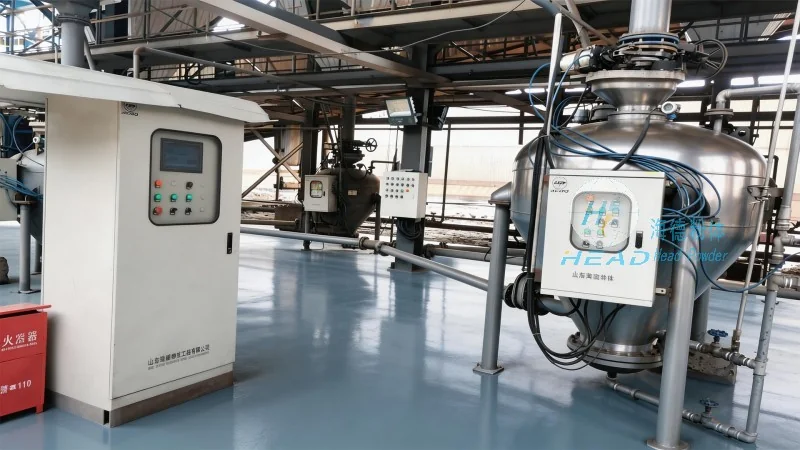
Components of a Typical Carbon Black Powder Material Handling System
A typical carbon black powder material handling system consists of several interconnected components, each playing a vital role in the overall operation. The primary components include: 1. **Storage and Feeding Equipment**: Hoppers or silos are used to store the carbon black powder, with a feeding device (e.g., rotary valve, screw feeder) to regulate the flow rate. These components are designed to prevent material bridging and ensure a steady supply to the conveyor system. 2. **Conveying Equipment**: Depending on the application, the system may use pneumatic conveying lines, screw conveyors, or bucket elevators. Pneumatic systems are common for long-distance transport due to their ability to handle fine powders and maintain low dust levels. Screw conveyors are suitable for short-distance, horizontal or slight incline transport, offering a cost-effective solution for moderate volumes. 3. **Dust Control and Filtration Systems**: To comply with environmental regulations and ensure workplace safety, the system includes dust collection and filtration equipment. Cyclones, bag filters, or cartridge filters are used to separate the carbon black powder from the air, with the filtered air either being recirculated or discharged after treatment. 4. **Control and Monitoring Systems**: Modern systems incorporate automated control panels with sensors and indicators to monitor flow rates, pressure, and temperature. These systems allow operators to adjust the process parameters in real-time, ensuring optimal performance and preventing equipment damage. 5. **Safety and Explosion Prevention Devices**: To mitigate fire and explosion risks, the system includes features such as explosion vents, flame arrestors, and intrinsically safe electrical components. These devices are designed to release pressure or extinguish flames in the event of an incident, protecting both personnel and equipment.
Applications and Benefits of Carbon Black Powder Material Handling Systems
Carbon black powder material handling systems are widely used in various industries, including tire manufacturing, plastic compounding, pigment production, and battery manufacturing. In the tire industry, for example, carbon black is used as a reinforcing agent to improve the durability and strength of rubber compounds. The material handling system must ensure that the carbon black is delivered to the mixing plant in a consistent and controlled manner, without any contamination or loss. In the plastic industry, carbon black is used as a pigment and UV stabilizer, and the system must maintain the material's color and quality throughout the transport process. The benefits of using a specialized carbon black powder material handling system include: - **Improved Efficiency**: The system ensures consistent flow rates and reduces downtime due to blockages or equipment failure. - **Enhanced Safety**: Dust control and explosion prevention measures minimize the risk of accidents and ensure compliance with safety regulations. - **Reduced Material Loss**: Proper handling reduces the amount of carbon black lost during transport, leading to cost savings. - **Increased Productivity**: Automated control systems allow for continuous operation, increasing the overall production capacity of the facility. - **Environmental Compliance**: The system meets or exceeds environmental regulations regarding dust emissions and waste management.
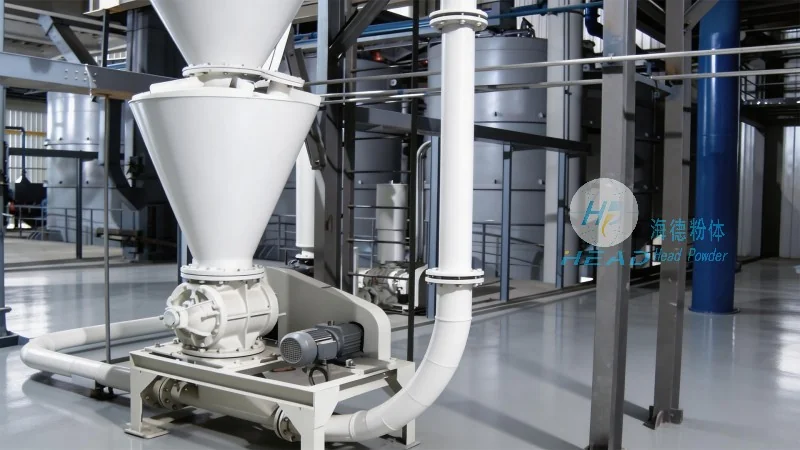
HeadPowder Engineering Co., Ltd.: Expertise in Carbon Black Powder Handling Solutions
Shandong HeadPowder Engineering Co., Ltd., commonly known as HeadPowder, is a leading manufacturer of carbon black powder material handling systems. With headquarters in Shandong, China, HeadPowder has established itself as a trusted partner for industries requiring reliable and efficient carbon black handling solutions. The company specializes in designing and manufacturing customized systems tailored to the specific needs of each client, ensuring optimal performance and compliance with industry standards. HeadPowder's systems are built using high-quality materials and advanced engineering techniques, incorporating the latest design principles to address the unique challenges of carbon black powder handling. The company's commitment to quality and safety has earned it a reputation for delivering durable, efficient, and safe material handling solutions to clients worldwide. Whether for small-scale applications or large industrial plants, HeadPowder provides comprehensive solutions that meet the highest standards of performance and reliability.
Conclusion: The Importance of Specialized Carbon Black Powder Handling Systems
Carbon black powder is a vital material in many industrial applications, but its unique properties require specialized handling systems to ensure efficient, safe, and reliable transport. The design principles and components of such systems are critical to addressing the challenges posed by the material's fine particles, poor flowability, and combustible nature. By integrating advanced engineering, robust equipment, and effective safety measures, carbon black powder material handling systems can significantly improve operational efficiency, reduce costs, and enhance workplace safety. Companies like Shandong HeadPowder Engineering Co., Ltd. play a crucial role in providing these specialized solutions, helping industries meet their production goals while adhering to environmental and safety regulations. As the demand for carbon black continues to grow, the importance of reliable material handling systems will only increase, making them an essential component of modern industrial operations.