

What is a Silica Fume Material Handling System Equipment? What Are the Design Principles?
When it comes to industrial material handling, especially for high-value materials like silica fume, the choice of equipment and system design is critical. Silica fume, a byproduct of the production of silicon metal or ferrosilicon alloys, is known for its high surface area and reactivity, making it a valuable additive in concrete and other construction materials. However, its fine particle size and dusty nature require specialized equipment to handle efficiently and safely. This article explores the components and design principles of silica fume material handling systems, highlighting the expertise of Shandong HeadPowder Engineering Co., Ltd. as a leading provider in the field.
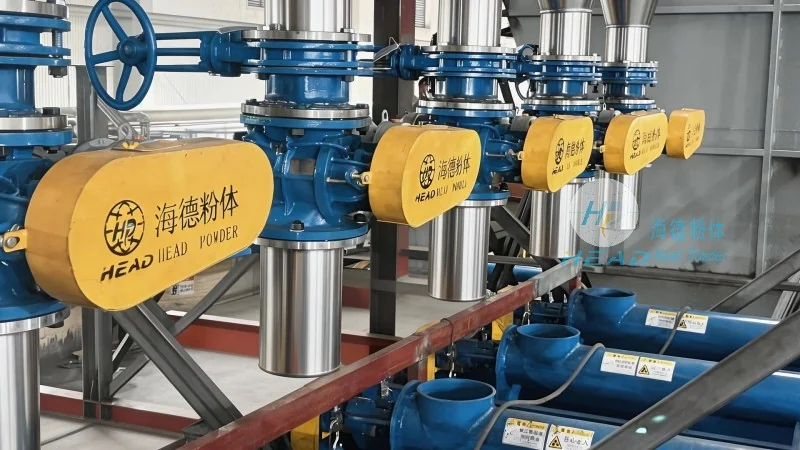
Key Components of Silica Fume Material Handling Systems
Silica fume material handling systems are typically composed of several key components that work together to ensure efficient, safe, and reliable material transfer. The primary components include:
- Feeding Equipment: This includes hoppers, feeders, and sometimes vibrating screens to control the flow of silica fume from storage silos or bulk containers. Proper feeding equipment is essential to prevent material bridging, caking, or uneven flow, which can lead to system inefficiencies or equipment damage.
- Pneumatic Conveying Systems: Many silica fume handling applications utilize pneumatic conveying to transport the fine powder over long distances. These systems use air pressure to move the material through pipelines, often incorporating cyclones or filters to separate the material from the air stream and return the air to the system for recycling.
- Storage Silos: Large-capacity storage silos are used to store bulk quantities of silica fume, ensuring a steady supply for production processes. The design of these silos, including internal liners and anti-static measures, is crucial to prevent material buildup and ensure safe storage.
- Control Systems: Advanced control systems monitor and regulate the operation of the material handling equipment, ensuring consistent flow rates, pressure levels, and system performance. These systems often integrate sensors for level, pressure, and flow monitoring, providing real-time data for process optimization.
Design Principles for Efficient Silica Fume Handling
The design of silica fume material handling systems follows several key principles to maximize efficiency, safety, and longevity. These principles are tailored to the unique properties of silica fume, such as its fine particle size, high reactivity, and potential for dust generation. The primary design considerations include:
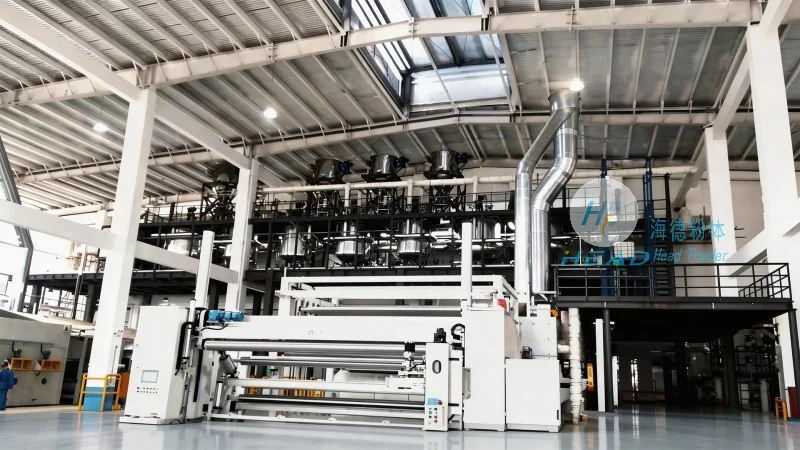
- Preventing Material Buildup and Caking: Silica fume has a tendency to cake or agglomerate, which can block equipment and reduce system performance. Design solutions include the use of anti-static coatings, vibration systems, and proper hopper geometry to prevent material bridging and ensure smooth flow.
- Ensuring Air Quality and Safety: Silica fume is a fine powder that can create dust hazards. Systems are designed with dust collection and filtration systems to maintain air quality and comply with occupational health and safety regulations. This includes the use of high-efficiency particulate air (HEPA) filters and proper ventilation to prevent dust accumulation in the workplace.
- Optimizing Energy Efficiency: Pneumatic conveying systems consume energy, and efficient design aims to minimize energy use while maintaining performance. This includes selecting the appropriate air pressure, pipeline diameter, and conveying velocity to achieve the desired material flow with minimal energy consumption.
- Adapting to Material Properties: The design must account for the specific characteristics of silica fume, such as its density, flowability, and moisture content. Customized equipment and system configurations are often required to handle variations in material properties and ensure optimal performance.
HeadPowder's Expertise in Silica Fume Material Handling
Shandong HeadPowder Engineering Co., Ltd., commonly known as HeadPowder, is a leading manufacturer and supplier of specialized material handling equipment for industrial applications, including silica fume handling systems. With years of experience in the field, HeadPowder has developed a comprehensive range of solutions tailored to the unique challenges of handling silica fume and other fine powders. The company's expertise lies in designing systems that are not only efficient and reliable but also safe and environmentally compliant.
HeadPowder's approach to silica fume material handling involves a deep understanding of the material's properties and the specific requirements of industrial processes. The company works closely with clients to assess their needs, from initial material analysis to system integration and maintenance. This collaborative approach ensures that the final system is optimized for performance, cost-effectiveness, and long-term reliability.
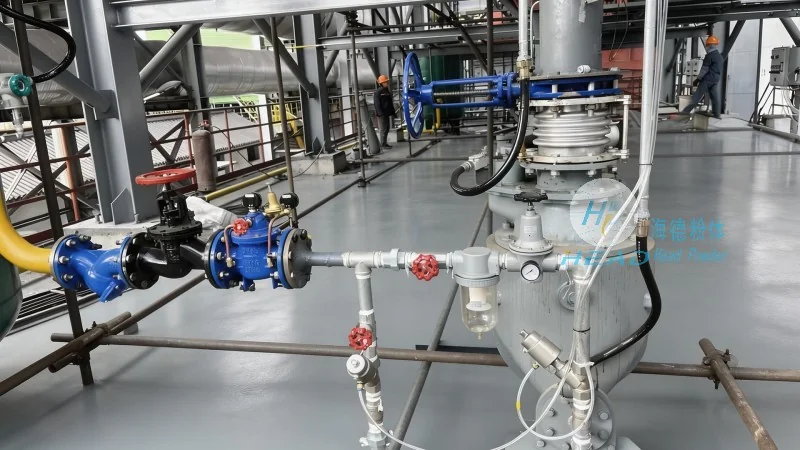
Key features of HeadPowder's silica fume material handling systems include:
- Customized Solutions: Each system is designed to meet the specific requirements of the client, including material flow rates, distance of transport, and storage capacity.
- Advanced Technology: The use of modern control systems, efficient pneumatic conveying technology, and high-quality materials ensures that the systems operate at peak performance.
- Comprehensive Support: HeadPowder provides comprehensive support, including installation, training, and maintenance services, to ensure that clients can maximize the lifespan and efficiency of their equipment.
Conclusion
Silica fume material handling systems are critical components of industrial operations that require the efficient and safe transfer of fine powders. The design principles and components discussed above highlight the importance of specialized equipment and system design to handle silica fume effectively. With its expertise and commitment to quality, Shandong HeadPowder Engineering Co., Ltd. offers reliable and efficient solutions for silica fume material handling, helping clients optimize their production processes and ensure compliance with safety and environmental regulations.