

Carbonaceous Granular Material Conveying System Equipment: What It Is and Its Design Principles
Carbonaceous granular material conveying systems are specialized industrial equipment designed to transport carbon-based granular materials efficiently and reliably. These systems are essential in various industrial applications, particularly in the carbon industry, where the handling of materials like carbon black, graphite, or other carbonaceous powders is critical. The primary function of such systems is to move these materials from one location to another within a production facility or between different stages of a process, ensuring smooth workflow and operational efficiency.
Key Components of the Conveying System
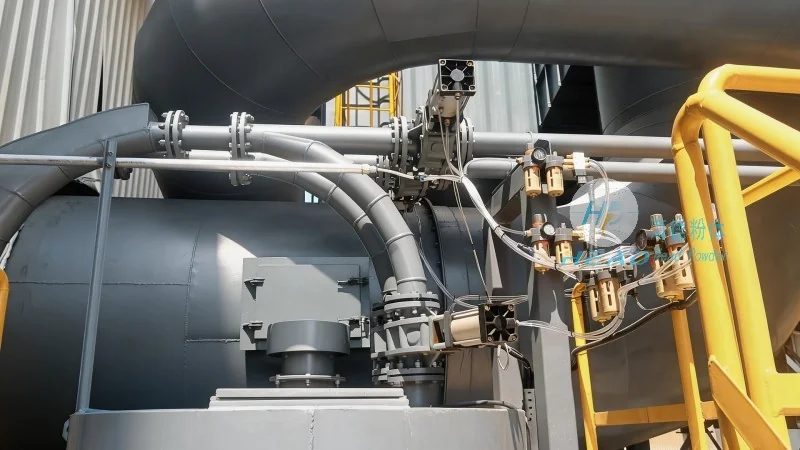
The carbonaceous granular material conveying system typically consists of several key components that work in tandem to achieve effective material transport. These components include feed hoppers, conveyor belts or screw conveyors, control valves, and sometimes pneumatic or hydraulic systems for enhanced control. The feed hopper is responsible for storing and feeding the granular material into the conveying mechanism. Conveyor belts or screw conveyors then transport the material along the designated path. Control valves regulate the flow rate and direction of the material, ensuring precise control over the conveying process. In some advanced systems, pneumatic or hydraulic actuators may be used to adjust the speed and pressure, providing greater flexibility in handling different material properties.
Design Principles and Operational Mechanics
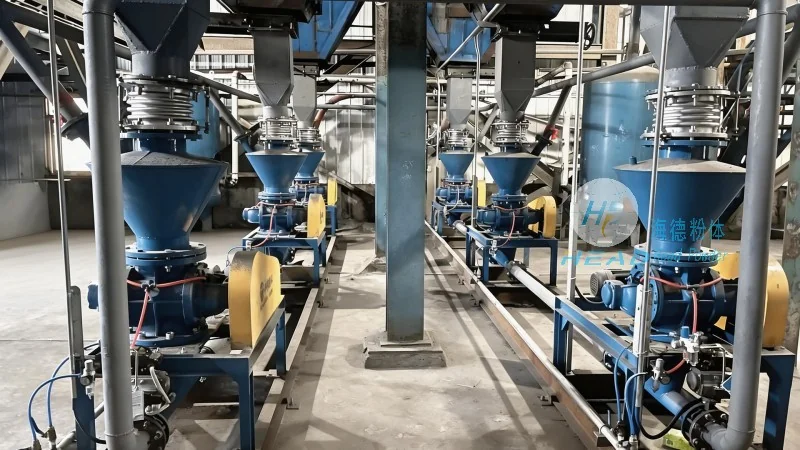
The design principles of a carbonaceous granular material conveying system are centered on efficiency, durability, and adaptability to the specific characteristics of the carbonaceous materials being handled. The system must be able to handle materials with varying particle sizes, densities, and flow properties without causing blockages or degradation. This requires careful consideration of the conveyor type, material of construction, and the overall system layout. For instance, screw conveyors are commonly used for materials with moderate flowability, while pneumatic conveying systems are preferred for fine powders that are prone to dust and require airtight handling. The material of construction is also critical; systems handling carbonaceous materials often use corrosion-resistant materials like stainless steel or special alloys to prevent chemical reactions and ensure longevity.
Application-Specific Considerations
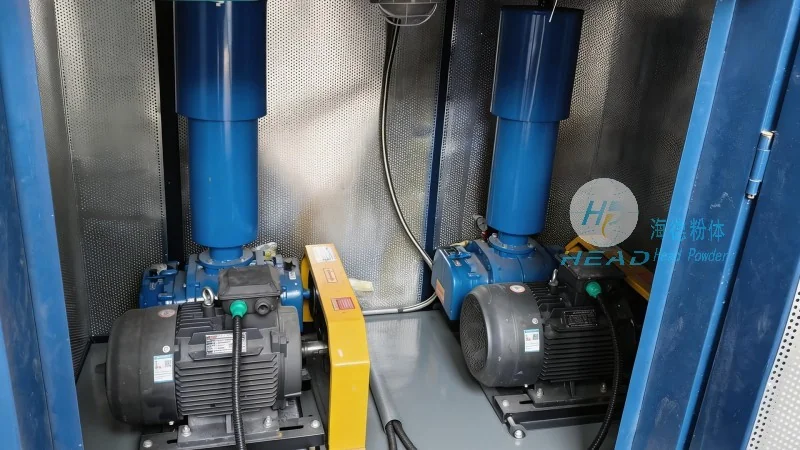
When designing a carbonaceous granular material conveying system, several application-specific factors must be considered to optimize performance. The first is the nature of the material itself—whether it is a dry powder, a wet slurry, or a mixture with other substances. The system must be capable of handling the material's physical properties, such as its bulk density, angle of repose, and cohesive behavior. Additionally, the system's integration with existing production lines is crucial; it must be compatible with other equipment and processes to ensure seamless operation. For example, in a carbon black production facility, the conveying system may need to connect to reactors, storage silos, and packaging units. The system's design must also account for safety considerations, such as dust explosion prevention and material containment, to comply with industrial safety standards.
Advantages of Using a Carbonaceous Granular Material Conveying System
Implementing a carbonaceous granular material conveying system offers several advantages for industrial operations. Firstly, it improves operational efficiency by automating the material transport process, reducing manual labor and the risk of human error. This leads to increased production throughput and lower labor costs. Secondly, the system enhances material handling safety by minimizing direct human contact with potentially hazardous or fine powders, reducing the risk of dust inhalation or material exposure. Thirdly, the precise control over material flow allows for better process consistency, ensuring that the material is delivered to the next stage of production in the correct quantity and quality. Finally, the durability and reliability of modern conveying systems reduce maintenance costs and downtime, contributing to overall operational cost savings.
Conclusion and Company Overview
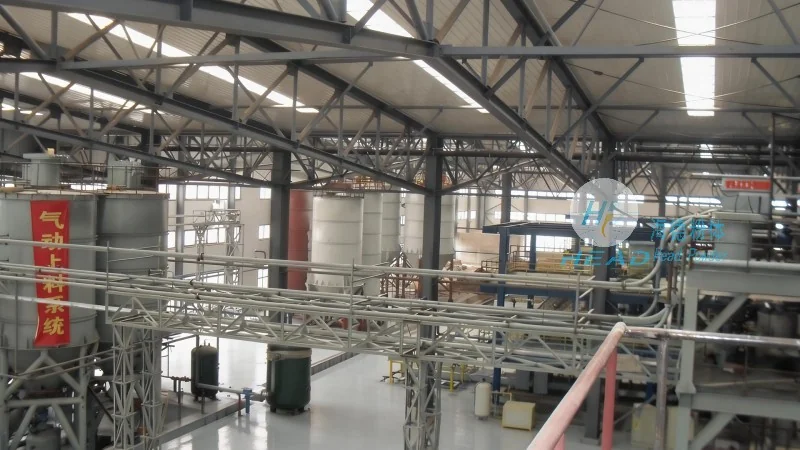
Carbonaceous granular material conveying systems are vital components in the carbon industry, enabling efficient and safe handling of carbon-based materials. The design principles behind these systems focus on adaptability, durability, and precise control to meet the specific needs of industrial applications. By leveraging advanced materials and engineering techniques, such systems ensure reliable operation and contribute to the overall productivity of production facilities. Shandong HeadPowder Engineering Co., Ltd., a leading provider in this field, specializes in designing and manufacturing high-quality conveying systems tailored to the unique requirements of carbonaceous material handling. With a strong commitment to quality and innovation, HeadPowder offers solutions that enhance operational efficiency and safety in industrial settings.