

What is a Methylcellulose Material Handling System Equipment? What Are Its Design Principles?
Methylcellulose, a widely used water-soluble polymer, plays a crucial role in various industrial applications as a thickening agent, stabilizer, and binding agent. In many processes, the efficient and reliable handling of methylcellulose is essential to maintain product quality and operational efficiency. This article explores the equipment used for methylcellulose material handling and the fundamental design principles that govern its operation.
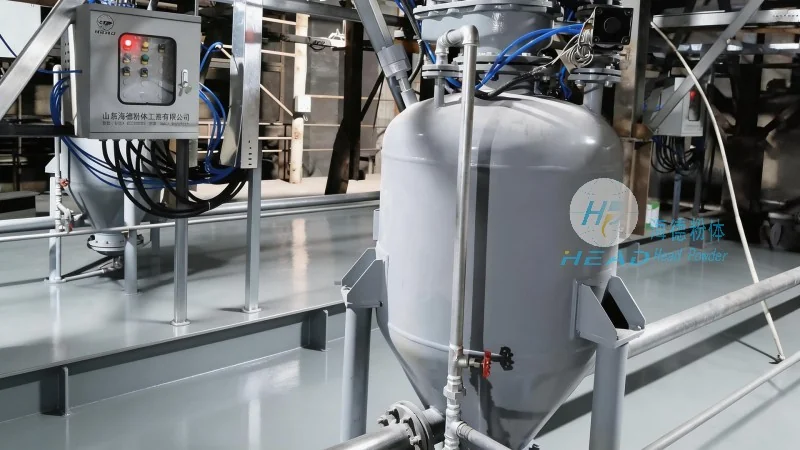
Introduction to Methylcellulose Material Handling Systems: Equipment Overview and Design Principles
Methylcellulose material handling systems are specialized equipment designed to transport methylcellulose solutions or suspensions through industrial processes. These systems are critical in industries such as food and beverage, pharmaceuticals, cosmetics, and chemical manufacturing, where methylcellulose is used to modify the viscosity, flow properties, and stability of products. The equipment typically includes components like pumps, pipelines, valves, and control systems, all working in tandem to ensure smooth and consistent material transport.
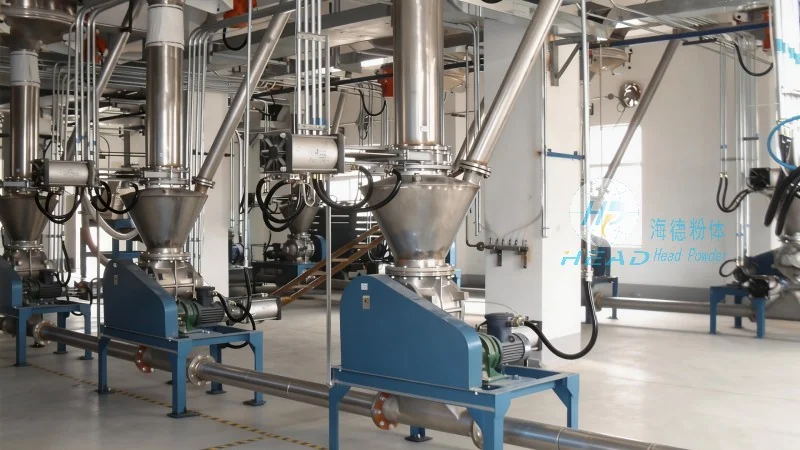
Key Components of Methylcellulose Material Handling Equipment
The core components of a methylcellulose material handling system are carefully selected to address the unique properties of methylcellulose. Pumps are a key element, with options including positive displacement pumps like screw pumps or progressing cavity pumps, and centrifugal pumps for lower viscosity applications. Screw pumps are particularly effective for high-viscosity methylcellulose solutions due to their ability to handle thick fluids without clogging. The pipeline system is often constructed from corrosion-resistant materials such as stainless steel or PTFE to prevent degradation from the chemical properties of methylcellulose. Valves, including ball valves and gate valves, are used to control flow direction and pressure, while seals and gaskets are designed to maintain leak-free operation, which is vital for maintaining product purity and safety standards.
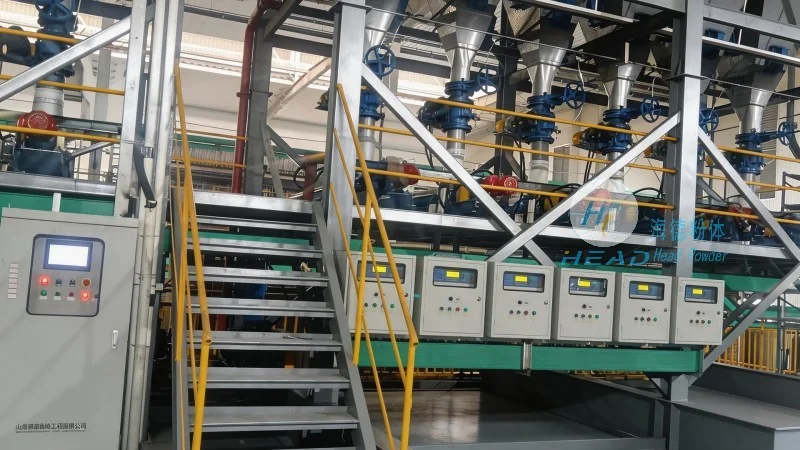
Design Principles Behind Methylcellulose Handling Systems
The design of methylcellulose material handling systems is guided by several key principles that ensure optimal performance and longevity. First, the system must accommodate the variable viscosity of methylcellulose, which can change with temperature and concentration. Engineers select pump types and system pressures based on the expected viscosity range to prevent pump overload or inefficient flow. Second, material compatibility is paramount; all components in contact with the methylcellulose solution must be non-reactive and resistant to chemical attack. This includes the use of food-grade materials for applications in the food industry, where hygiene and safety are non-negotiable. Third, the system is designed for easy maintenance and cleaning, incorporating features like CIP (Clean-In-Place) systems to ensure thorough sanitation and prevent contamination. Finally, energy efficiency is considered, with the selection of pumps and motors optimized to minimize power consumption while maintaining required flow rates.
The Role of Methylcellulose in Industrial Applications
Methylcellulose is utilized in a wide array of industrial applications due to its versatile properties. In the food industry, it is used as a thickener in sauces, dressings, and dairy products, enhancing texture and stability. In pharmaceuticals, it serves as a binder in tablets and capsules, improving tablet disintegration and release of active ingredients. In cosmetics, it acts as a thickening agent in lotions and creams, providing a smooth and consistent texture. The material handling systems designed for methylcellulose must therefore be adaptable to these diverse applications, ensuring that the product remains in its desired state throughout the processing and packaging stages.
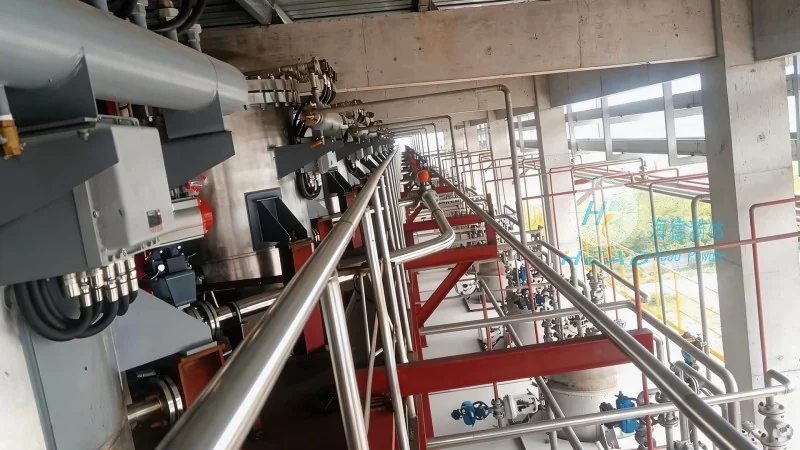
Company Profile: Shandong HeadPowder Engineering Co., Ltd.
Shandong HeadPowder Engineering Co., Ltd., commonly known as HeadPowder, is a leading manufacturer of specialized material handling equipment for industrial applications. HeadPowder is headquartered in Shandong, China, and has established itself as a trusted provider of customized solutions for handling challenging materials like methylcellulose. The company’s expertise lies in designing and manufacturing equipment that meets the specific needs of clients, from small-scale laboratory applications to large-scale industrial production lines. HeadPowder’s team of engineers and technicians work closely with clients to understand their operational requirements and develop tailored systems that ensure efficient, reliable, and safe material transport. With a focus on quality, innovation, and customer satisfaction, HeadPowder continues to deliver high-performance equipment that enhances productivity and product quality in various industries.