

The Material Handling System for Lithium Battery Positive and Negative Electrode Materials: Design P
For manufacturers in the lithium battery industry, the efficient and reliable handling of positive and negative electrode materials is a critical aspect of production. The material handling system plays a pivotal role in ensuring smooth operations, maintaining product quality, and optimizing the overall production process. This article delves into the lithium battery positive and negative electrode material material handling system equipment, exploring its design principles and the key components that make it effective.
Understanding the Material Handling System for Lithium Battery Electrode Materials
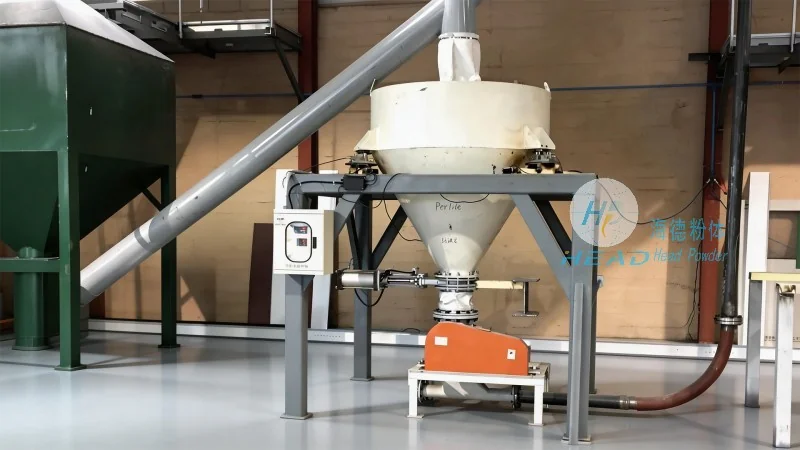
The material handling system for lithium battery positive and negative electrode materials is a specialized piece of equipment designed to transport, store, and manage the raw materials used in the production of battery electrodes. These materials, such as lithium cobalt oxide (LCO) for cathodes and graphite or lithium iron phosphate (LFP) for anodes, require precise handling to prevent contamination, degradation, or loss of performance. The system typically includes components like conveyor belts, hoppers, feeders, and storage bins, all integrated to form a seamless workflow from raw material reception to the point of use in the electrode manufacturing process.
Key Design Principles of the System
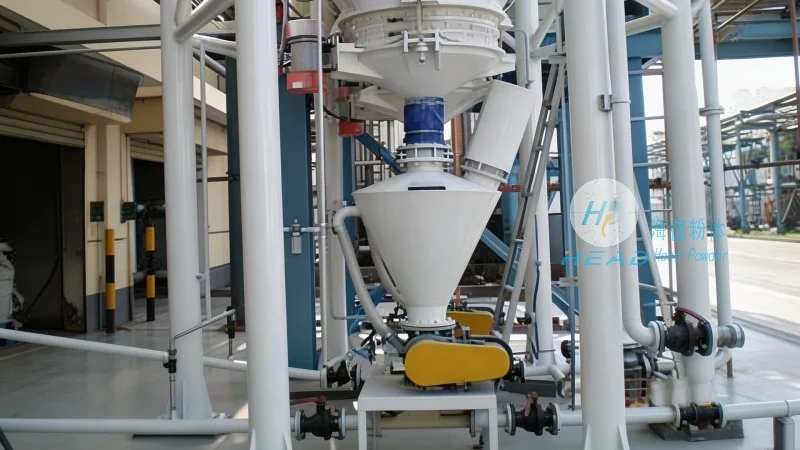
The design of a lithium battery electrode material handling system is guided by several fundamental principles aimed at maximizing efficiency, safety, and material integrity. First, the system must ensure minimal material exposure to air and moisture, as these factors can significantly impact the quality of the electrode materials. This is achieved through sealed containers, airtight hoppers, and controlled environmental conditions within the handling equipment. Second, the system prioritizes uniform material flow to prevent segregation, which can lead to inconsistent battery performance. Advanced feeding mechanisms, such as rotary valves or vibratory feeders, are employed to achieve a consistent and controlled material discharge rate.
Third, the design emphasizes energy efficiency and operational cost reduction. The system is engineered to minimize power consumption while maintaining high throughput. This is accomplished through the use of energy-efficient motors, optimized conveyor speeds, and intelligent control systems that adjust operations based on real-time demand. Additionally, the system is built for easy maintenance and scalability, allowing manufacturers to adapt to changing production volumes or material types without significant modifications.
Components and Functionality of the Equipment
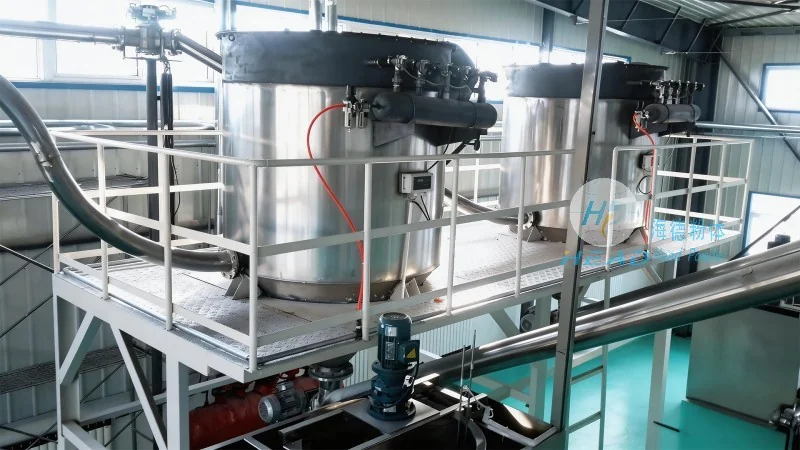
The lithium battery positive and negative electrode material handling system comprises several interconnected components, each serving a specific function in the material flow. The primary components include: material storage hoppers, which are designed to hold large quantities of raw materials and maintain consistent material levels; feeding mechanisms, such as screw conveyors or vibratory feeders, that transport material from storage to processing areas; and conveying systems, like belt or chain conveyors, that move materials between different stages of production. The system also includes control panels and sensors that monitor material levels, flow rates, and operational status, providing real-time data to operators and enabling automated adjustments.
Benefits of an Effective Material Handling System
Implementing a well-designed material handling system for lithium battery electrode materials offers numerous benefits to manufacturers. Firstly, it enhances production efficiency by reducing downtime caused by material shortages or handling issues. By ensuring a steady supply of materials, the system allows for continuous production, increasing overall output. Secondly, it improves product quality by minimizing material contamination and segregation. Consistent material handling leads to more uniform electrode production, resulting in batteries with stable performance and longer lifespans. Thirdly, the system contributes to cost savings through energy efficiency and reduced waste. By optimizing material flow and minimizing losses, manufacturers can lower operational costs and improve their bottom line.
Conclusion
The lithium battery positive and negative electrode material handling system equipment is a critical component of modern battery manufacturing. Its design, based on principles of material integrity, efficiency, and safety, ensures that raw materials are handled with precision and care. By integrating advanced components and control systems, this equipment supports the production of high-quality lithium batteries while optimizing operational performance. For companies like Shandong HeadPowder Engineering Co., Ltd., based in China, the development and implementation of such systems are essential to meeting the growing demands of the lithium battery industry and maintaining a competitive edge in the market.