With more than 10‑year industry experience, Shandong Headpowder delivers full‑service pneumatic‑conveying systems and blowers, undertaking nationwide turn‑key powder‑handling projects.
For agricultural processing facilities, efficient and reliable material handling is crucial. The pneumatic conveying system for paddy grain bulk materials is a specialized solution designed to transport grain from storage to processing units with minimal loss and optimal performance. This system integrates advanced engineering principles to ensure smooth operation, making it a vital component in modern rice milling operations.
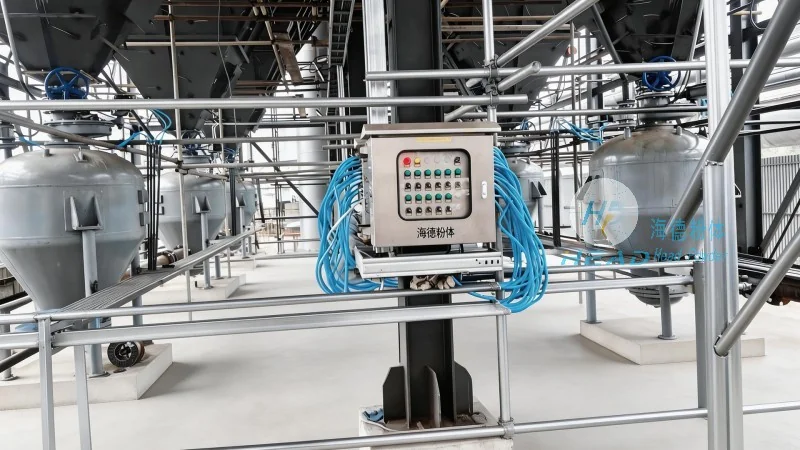
The pneumatic conveying system for paddy grain typically consists of several key components, each playing a critical role in the overall operation. The main elements include the hopper or storage silo, which holds the raw paddy grain; the air compressor or blower, which generates the necessary airflow; the conveying line, which transports the grain through pipes; and the receiver or destination vessel, where the processed grain is deposited. Additionally, the system may incorporate components such as check valves, filters, and dust collectors to maintain system integrity and protect equipment from damage.
The operation of the paddy grain pneumatic conveying system follows a systematic process. Initially, the paddy grain is fed from the storage hopper into the conveying line. The air compressor then generates a high-pressure airflow, which draws the grain particles into the pipe. As the grain moves through the conveying line, it is suspended by the airflow and transported to the destination vessel. The speed and pressure of the airflow are carefully controlled to ensure the grain is conveyed without excessive wear or breakage. The system may use either positive or negative pressure depending on the specific application and layout, with positive pressure being more common for short-distance transport and negative pressure for longer distances.
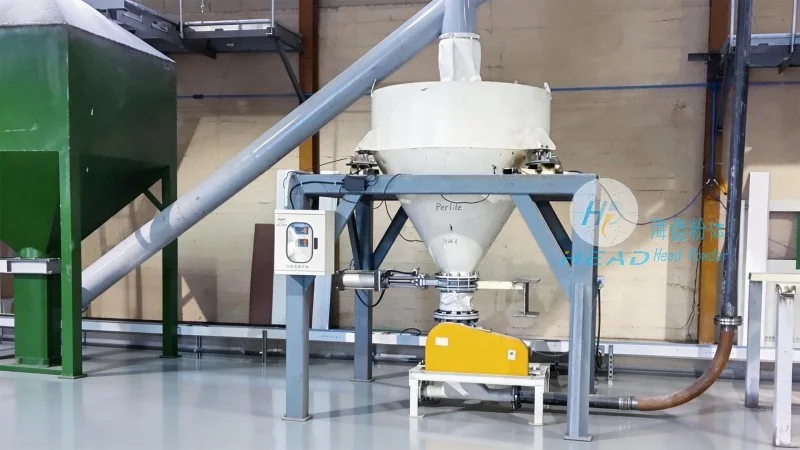
The operational flow of the paddy grain pneumatic conveying system begins with the grain being released from the storage hopper. The air compressor starts, creating the required airflow. The grain is then drawn into the conveying line, where it travels to the processing unit or storage area. At the receiving end, the grain is deposited into the destination vessel. The system may include automatic controls to regulate the flow rate and pressure, ensuring consistent performance. Regular maintenance of the components, such as the air compressor and filters, is essential to maintain system efficiency and prevent downtime.
Implementing a pneumatic conveying system for paddy grain offers several advantages over traditional methods like bucket elevators or belt conveyors. These systems are highly efficient, capable of transporting large volumes of grain with minimal labor. They also reduce the risk of grain breakage and contamination, which is critical for maintaining grain quality. Additionally, the enclosed system helps in controlling dust and preventing environmental pollution. The flexibility of pneumatic conveying allows for easy integration into existing processing lines, making it a versatile solution for various agricultural processing needs.
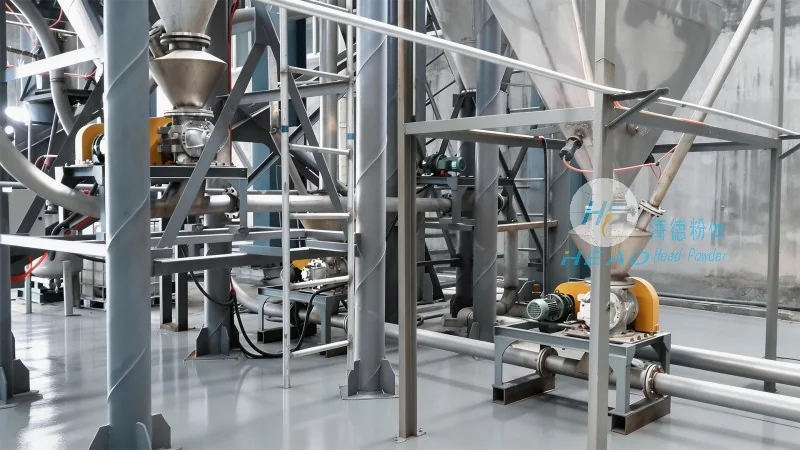
In rice milling facilities, the pneumatic conveying system for paddy grain is used to transport raw paddy from storage to the milling machines. The system ensures that the grain is delivered to the processing units at the right moisture level and without damage. This contributes to higher quality milled rice and improved operational efficiency. The system can also be adapted to handle different grain types, such as wheat or corn, making it a versatile solution for diverse agricultural applications.
To ensure the long-term performance and reliability of the paddy grain pneumatic conveying system, proper maintenance is essential. Regular checks of the air compressor, filters, and conveying lines are necessary to prevent clogging or damage. The system should also be equipped with safety features, such as pressure relief valves, to protect against over-pressurization. Operational considerations include monitoring the airflow and pressure levels to maintain optimal performance. By adhering to proper maintenance procedures and operational guidelines, the system can provide consistent and reliable service for years.

 Shandong Headpowder Engineering Co., Ltd.
 156-6277-7102(Manager Zhang)
  0531-83386006
  Zhangqiu District, Jinan City, Shandong Province, China
telephone
WeChatconsult
top