

What is an Oat Material Handling System Equipment? What Are Its Design Principles?
Shandong HeadPowder Engineering Co., Ltd., a leading manufacturer based in Shandong, China, specializes in the design and production of specialized material handling systems tailored for oat processing applications. These systems are engineered to efficiently transport, sort, and manage oat materials throughout various stages of the processing workflow, from raw grain reception to final product packaging. Understanding the components and design principles behind such systems is crucial for optimizing operational efficiency and ensuring consistent product quality in oat processing facilities.
Key Components of an Oat Material Handling System
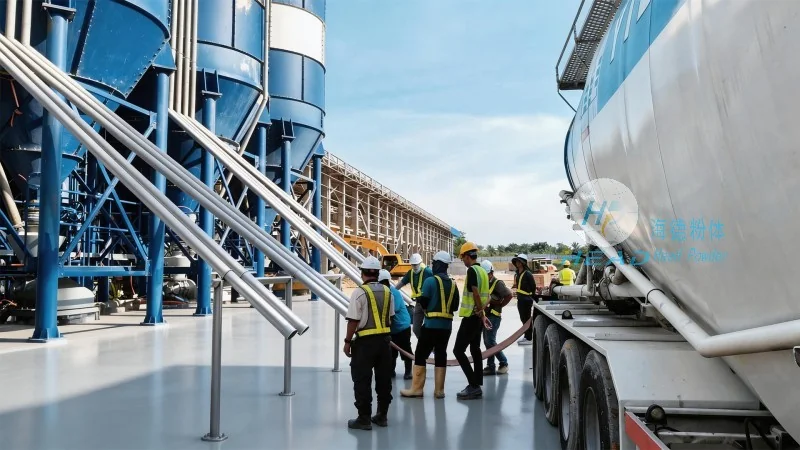
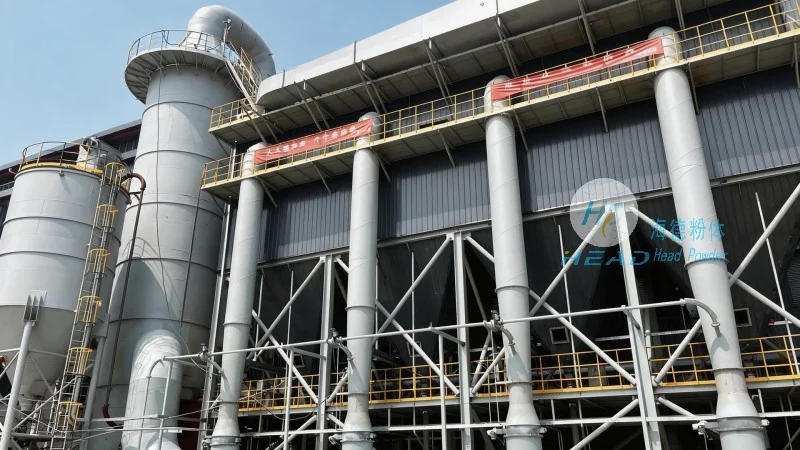
The oat material handling system typically comprises several interconnected components, each serving a specific function in the material flow. The primary equipment includes belt conveyors, screw conveyors, bucket elevators, and pneumatic conveying systems. Belt conveyors are commonly used for horizontal and slight incline transport due to their ability to handle bulk materials with minimal friction. Screw conveyors, on the other hand, are ideal for vertical or inclined transport, providing a compact solution for moving materials through different elevations. Bucket elevators are particularly effective for vertical lifting, capable of handling large volumes of oat grains with high efficiency. Pneumatic conveying systems utilize air pressure to transport oat materials, offering a dust-free and flexible method for moving materials over longer distances or through complex layouts. Additionally, the system may incorporate sorting equipment, such as air classifiers or screening machines, to separate oats based on size, density, or moisture content, ensuring that only qualified grains proceed to subsequent processing stages.
Design Principles for Oat Material Handling Systems
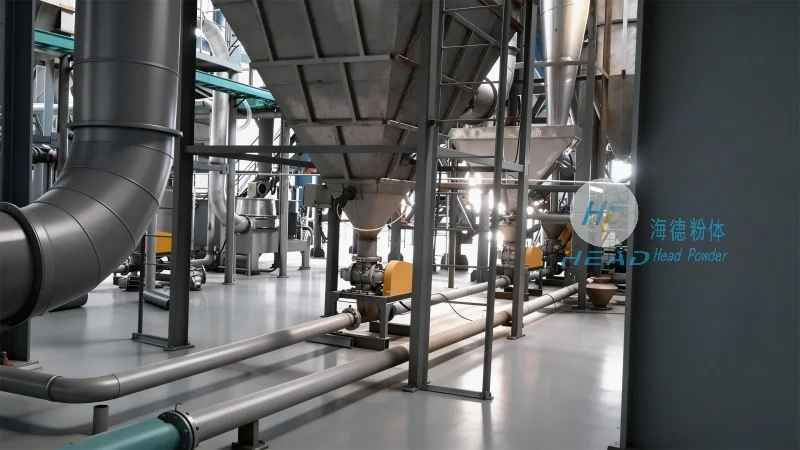
The design of an oat material handling system follows several critical principles to ensure optimal performance and reliability. First, the system must account for the physical properties of oats, including their size, shape, moisture content, and flow characteristics. Oats are relatively dense and have a moderate flowability, which influences the selection of conveyor types and the design of hoppers and chutes to prevent material bridging or blockages. The system is designed to minimize material degradation, such as breakage or dust generation, which can affect the quality of the final product. This is achieved through the use of smooth, abrasion-resistant surfaces on conveyor belts and the incorporation of gentle handling mechanisms, such as slow-moving screw conveyors or low-speed bucket elevators. Second, the system is engineered for high throughput and operational efficiency. The layout is optimized to minimize material handling time and reduce the number of transfer points, thereby increasing production capacity. The design also considers the need for easy maintenance and cleaning, with components that can be easily accessed and disassembled for routine checks or cleaning. Finally, the system is built to comply with industry standards and regulations, ensuring safety and environmental compliance. This includes features like safety guards on moving parts, dust collection systems to control airborne particles, and proper grounding to prevent electrical hazards.

Benefits of Using a Specialized Oat Material Handling System
Implementing a specialized oat material handling system offers numerous benefits for oat processing facilities. Firstly, it significantly improves operational efficiency by streamlining the material flow and reducing downtime. The system’s ability to handle large volumes of oats with minimal manual intervention allows for continuous production, increasing overall output. Secondly, it enhances product quality by ensuring that only qualified oats are processed. The sorting and screening components help remove impurities, broken grains, or foreign materials, resulting in a more consistent and higher-quality final product. Thirdly, the system reduces labor costs and improves workplace safety. Automated material handling reduces the need for manual labor in heavy lifting and material transport, minimizing the risk of injuries and improving worker comfort. Additionally, the system’s design minimizes dust and noise levels, creating a more pleasant working environment. Finally, the system contributes to cost savings by reducing material waste and energy consumption. Efficient material handling reduces the amount of material lost during transport, while optimized conveyor speeds and layouts lower energy usage, leading to long-term operational cost reductions.