

What is a Ferric Sulfate Material Handling System? And What Are Its Design Principles?
For industrial operations dealing with ferric sulfate, the selection and understanding of an appropriate material handling system are critical. Ferric sulfate, a key chemical in various processes, requires specialized equipment to ensure safe and efficient transport. This article explores the components, design principles, and operational aspects of ferric sulfate material handling systems, providing insights into how such systems are engineered to meet industrial demands.
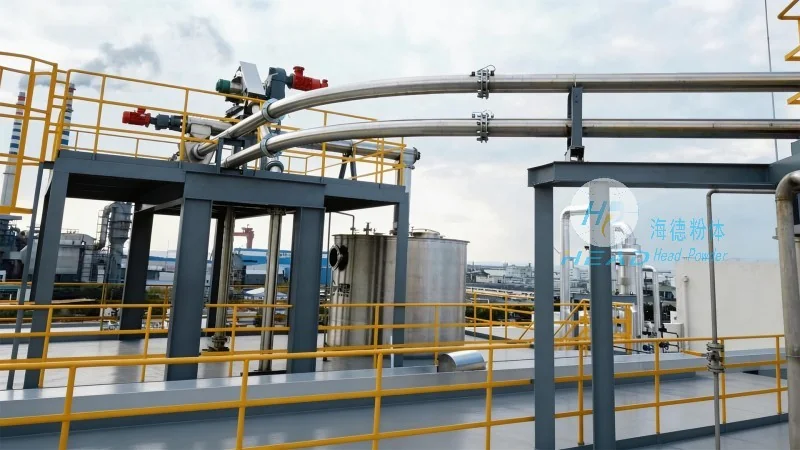
Key Components of Ferric Sulfate Material Handling Systems
At the core of any ferric sulfate material handling system are several key components that work in tandem to facilitate the movement and storage of the material. These components typically include bulk material handling equipment such as conveyors, feeders, and storage silos. Conveyors, for instance, can be belt conveyors or screw conveyors, designed to transport ferric sulfate from one location to another with minimal spillage and loss. Feeders are crucial for controlling the flow rate, ensuring a consistent and controlled discharge of the material into processing equipment. Storage silos or hoppers are used to store the ferric sulfate, providing a buffer for production needs and maintaining material stability.
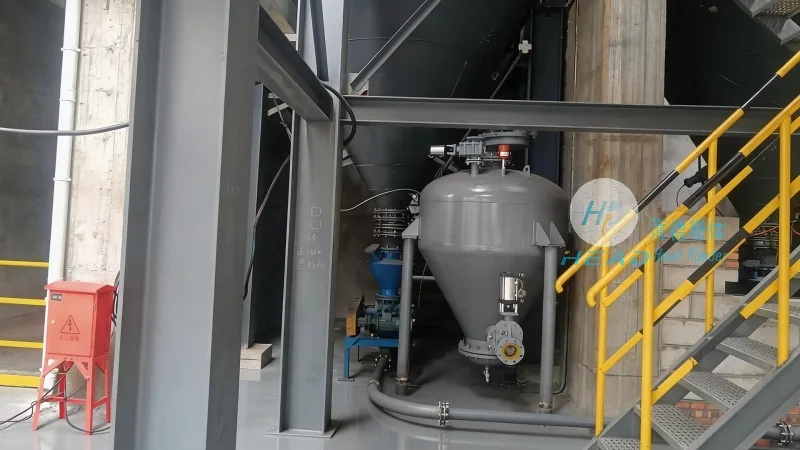
Design Principles for Efficient Ferric Sulfate Handling
The design of a ferric sulfate material handling system is guided by several fundamental principles aimed at maximizing efficiency, safety, and durability. First, material compatibility is paramount. Ferric sulfate is a corrosive chemical, and the system components must be constructed from materials resistant to corrosion, such as stainless steel or specialized alloys, to prevent degradation and ensure long-term performance. Second, the system must be designed to minimize dust generation and control air emissions, as ferric sulfate can create fine particulate matter that poses health and environmental risks. This is often achieved through enclosed systems, dust collection mechanisms, and proper sealing of components. Third, the system should incorporate features that enhance safety, including emergency stop mechanisms, overload protection, and proper ventilation to maintain a safe working environment. Additionally, the design considers the physical properties of ferric sulfate, such as its density and flow characteristics, to optimize the flow and prevent blockages or segregation within the system.
Operational Considerations and Maintenance
Once a ferric sulfate material handling system is installed and operational, regular maintenance and operational considerations are essential to ensure optimal performance and longevity. Regular inspections of conveyor belts, bearings, and other moving parts are necessary to detect and address wear and tear promptly. Cleaning procedures, especially for equipment that comes into direct contact with the material, should be implemented to prevent buildup and maintain efficiency. Additionally, monitoring the system's performance, such as flow rates and material levels, helps in identifying potential issues before they escalate into major problems. Proper training for operators on the safe operation of the system is also crucial, as it ensures that the equipment is used correctly and reduces the risk of accidents.
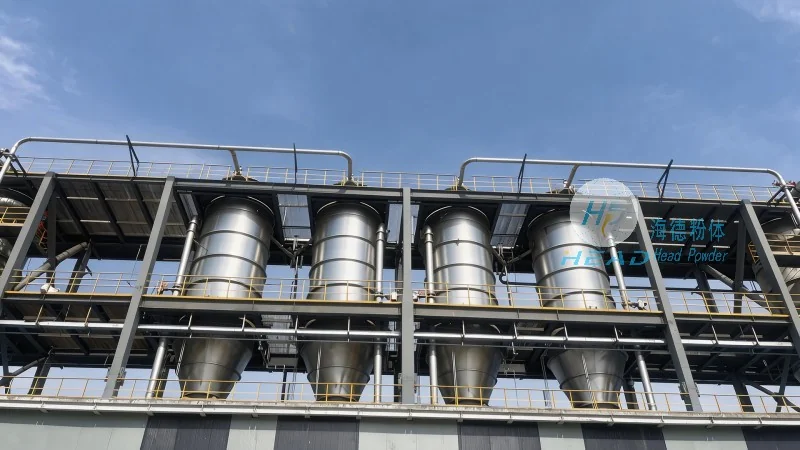
Conclusion
Ferric sulfate material handling systems are integral to the efficient and safe operation of industrial processes involving this chemical. By understanding the key components, design principles, and operational considerations, industries can select and maintain systems that meet their specific needs. The expertise of companies like Shandong HeadPowder Engineering Co., Ltd., based in China, plays a vital role in designing and implementing such systems, ensuring that they are tailored to the unique requirements of each industrial application. With a focus on durability, safety, and efficiency, these systems contribute significantly to the smooth functioning of industrial operations and the overall success of the processes they support.