With more than 10‑year industry experience, Shandong Headpowder delivers full‑service pneumatic‑conveying systems and blowers, undertaking nationwide turn‑key powder‑handling projects.
For industries dealing with ceramic powders, efficient material handling is crucial to maintain production efficiency and product quality. The ceramic powder material conveying line, as a specialized system designed for transporting fine ceramic powders, plays a vital role in various production processes. This article will delve into the operation process and working principle of such a system, providing a comprehensive understanding of its functionality and application.
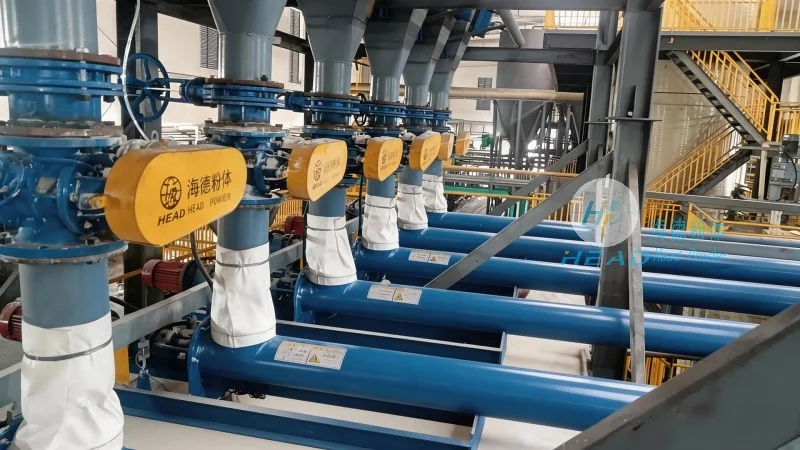
The ceramic powder material conveying line is a sophisticated system engineered to transport fine ceramic powders from storage areas to processing units with precision and reliability. It is commonly used in industries such as ceramics, refractory materials, and powder metallurgy, where the handling of fine powders requires strict control over flow, dust, and contamination. The system typically integrates multiple components, including hoppers, feeders, conveyors, and control systems, to ensure seamless material transfer.
Each component of the ceramic powder conveying line serves a specific purpose to achieve optimal performance. The hopper is the primary storage unit where ceramic powders are collected and stored before being fed into the system. It is designed with a conical or rectangular shape to facilitate uniform material flow and prevent agglomeration. The feeder, often a rotary valve or a screw feeder, regulates the flow rate of the ceramic powder from the hopper to the conveyor. This component ensures a consistent and controlled supply of material, which is critical for maintaining stable production rates.
The conveyor system, which may include pneumatic or mechanical types, is responsible for transporting the ceramic powder from the feeder to the processing equipment. Pneumatic conveying systems use compressed air to move the powder through pipes, while mechanical conveyors employ belts or buckets to transport the material. The choice of conveyor type depends on factors like the powder's properties, required distance, and environmental considerations. In addition to the main components, the control system monitors and adjusts the operation of the conveying line, ensuring safety and efficiency.
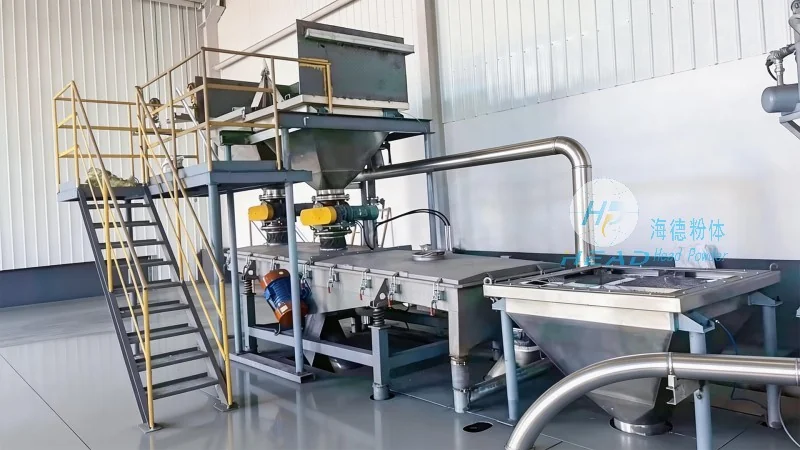
The operation of a ceramic powder material conveying line involves several sequential steps to ensure smooth material transfer. The process begins with the loading of ceramic powders into the hopper. Once the hopper is filled, the feeder starts to regulate the flow of powder. The feeder then delivers the controlled amount of powder to the conveyor, which transports it to the target processing unit. Throughout this process, the control system continuously monitors parameters such as flow rate, pressure, and temperature to maintain optimal conditions. If any deviations occur, the system automatically adjusts to restore normal operation, minimizing downtime and ensuring consistent material delivery.
The working principle of the ceramic powder material conveying line is based on the principles of fluid dynamics and mechanical motion. In pneumatic conveying systems, the ceramic powder is suspended in a stream of compressed air, creating a slurry-like mixture. This mixture is then transported through the pipeline to the destination. The air flow is carefully controlled to maintain the powder in a suspended state, preventing blockages and ensuring efficient transport. In mechanical conveyors, the powder is moved by the rotation of the conveyor belt or buckets, which applies a force to the material and moves it along the path. The design of the conveyor system, including the angle of inclination and the speed of the conveyor, is optimized to minimize material degradation and ensure smooth transfer.
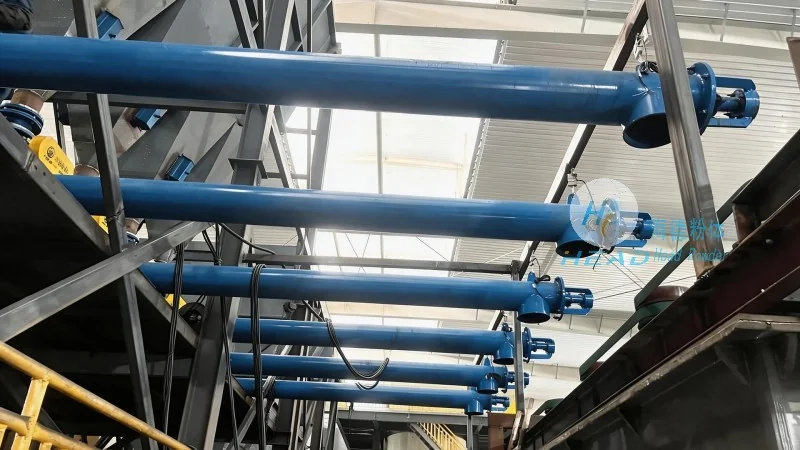
Shandong HeadPowder Engineering Co., Ltd., commonly known as headpowder, is a leading manufacturer and supplier of ceramic powder handling equipment. With its headquarters located in Shandong, China, the company specializes in designing and manufacturing customized conveying lines tailored to the specific needs of clients in the ceramics and related industries. The company's expertise lies in understanding the unique challenges of handling fine ceramic powders and developing solutions that address these challenges effectively. By leveraging advanced technology and years of industry experience, headpowder provides high-quality conveying systems that enhance production efficiency and product quality for its clients.
Implementing a ceramic powder material conveying line offers numerous benefits for industrial operations. Firstly, it improves production efficiency by ensuring a continuous and controlled supply of material, reducing downtime caused by manual handling or material shortages. Secondly, the system minimizes material loss and contamination, which is critical for maintaining product quality in ceramic manufacturing. Additionally, the automated control system enhances safety by reducing the risk of human error and exposure to dust. Finally, the customized design of the conveying line allows for flexibility in accommodating different powder types and production requirements, making it a versatile solution for various industrial applications.
In conclusion, the ceramic powder material conveying line is a critical component in the production processes of industries dealing with fine ceramic powders. Its operation process and working principle are designed to ensure efficient, reliable, and safe material handling. Companies like Shandong HeadPowder Engineering Co., Ltd. play a vital role in providing these systems, contributing to the advancement of ceramic manufacturing and related industries. By understanding the components, operation, and benefits of such a system, businesses can make informed decisions to enhance their production capabilities and maintain a competitive edge in the market.

 Shandong Headpowder Engineering Co., Ltd.
 156-6277-7102(Manager Zhang)
  0531-83386006
  Zhangqiu District, Jinan City, Shandong Province, China
telephone
WeChatconsult
top