With more than 10‑year industry experience, Shandong Headpowder delivers full‑service pneumatic‑conveying systems and blowers, undertaking nationwide turn‑key powder‑handling projects.
For industries dealing with magnesia and other fine powders, efficient material handling is crucial. A magnesia pneumatic conveying system is a specialized equipment solution designed to transport these materials safely and effectively. This article explores the fundamental aspects of such systems, including their design principles and key components, to help professionals in the field understand their functionality and application. The system is developed by Shandong HeadPowder Engineering Co., Ltd., a leading manufacturer based in China, known for its expertise in providing high-quality material handling solutions for industrial applications.
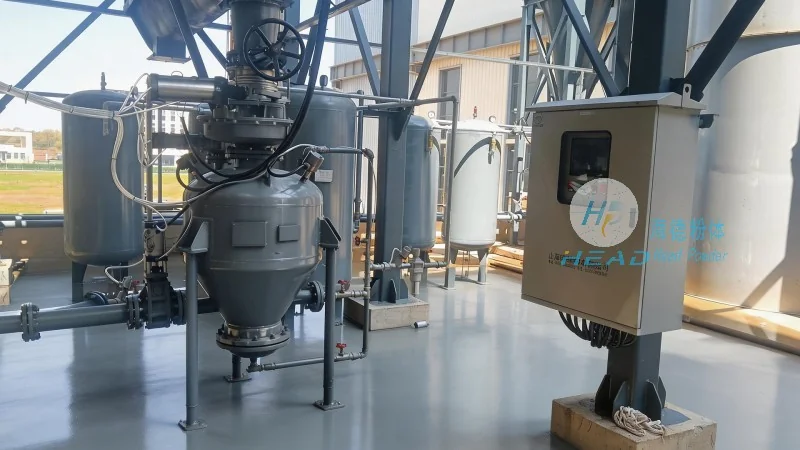
A magnesia pneumatic conveying system utilizes air or gas to transport magnesia powder and other similar fine particulate materials from one location to another. Unlike traditional mechanical conveyors, which rely on physical components like belts or buckets, pneumatic systems employ a pressurized or vacuum environment to move materials through a pipeline. This method is particularly advantageous for handling dusty, abrasive, or hazardous powders, as it minimizes direct contact and reduces the risk of contamination or exposure. The system typically consists of a hopper for material storage, a conveyor line (often made of stainless steel or other corrosion-resistant materials), and a control unit to regulate air flow and pressure.
The primary goal of a magnesia pneumatic conveying system is to achieve seamless, continuous material transfer while maintaining product integrity. This is especially important in applications where the quality and purity of magnesia are critical, such as in the production of refractory materials, ceramics, or chemical compounds. By using a pneumatic approach, manufacturers can ensure that the material remains free from moisture, contaminants, or degradation during transport, which is essential for maintaining high standards in downstream processes.
The effectiveness of a magnesia pneumatic conveying system depends on several key components that work in tandem to ensure smooth operation. The first component is the material hopper, which serves as the storage vessel for the magnesia powder. This hopper is usually equipped with a feeder, such as a rotary valve or a screw feeder, to control the flow of material into the conveying line. The feeder is designed to prevent clogging and ensure a consistent feed rate, which is critical for maintaining system efficiency.
Next, the conveying line itself is a critical part of the system. It is typically made of stainless steel or other materials that can withstand the abrasive nature of magnesia and resist corrosion. The line is equipped with pressure vessels or vacuum chambers that create the necessary air pressure or suction to move the material. The design of the line, including the diameter and length, is carefully calculated based on the material's properties, such as particle size, density, and flowability, to ensure optimal performance.
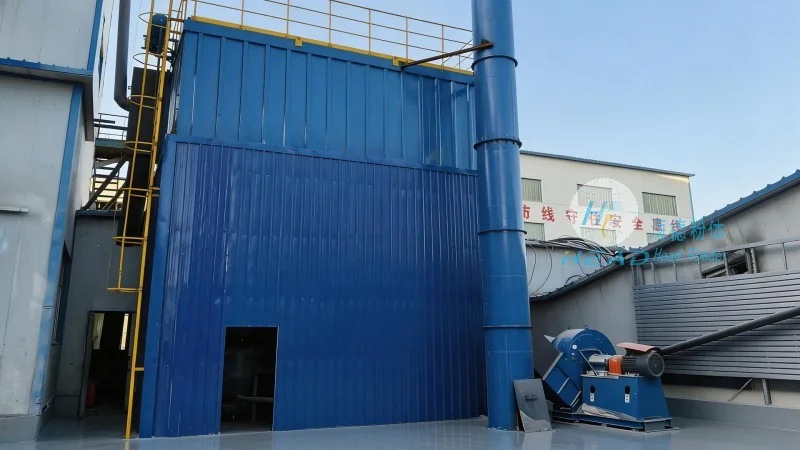
Another essential component is the air compressor or vacuum pump, which provides the energy needed to move the material. The compressor generates the required pressure to push the material through the line, while the vacuum pump creates a negative pressure to draw the material in. The choice between a pressure or vacuum system depends on the specific application and the distance the material needs to be transported. Additionally, the system includes control valves and regulators that allow operators to adjust the air flow and pressure as needed, ensuring precise control over the conveying process.
The design of a magnesia pneumatic conveying system follows specific principles to ensure reliability and efficiency. One of the most important principles is the consideration of material properties. Engineers must take into account the particle size distribution, density, and flowability of the magnesia powder, as these factors directly impact the system's performance. For example, fine particles may require higher air velocities to prevent clogging, while larger particles may need a different conveying method altogether.
Another key design consideration is the system's capacity and throughput. The conveying line's diameter and the air flow rate are determined based on the required material handling capacity. Engineers calculate the necessary air velocity to ensure that the material is fully suspended and transported without settling or blockages. This calculation is critical to avoid system inefficiencies or damage to the equipment.
Corrosion resistance is also a significant factor in the design of magnesia pneumatic conveying systems. Magnesia is often used in chemical and industrial applications where it may come into contact with moisture or acidic substances. Therefore, the materials used for the hopper, conveyor line, and other components must be resistant to corrosion to ensure long-term durability and prevent contamination of the material. Stainless steel is commonly used for this purpose due to its excellent corrosion resistance and ability to maintain product purity.
Energy efficiency is another important design principle. Modern magnesia pneumatic conveying systems are designed to minimize energy consumption while maintaining performance. This is achieved through the use of efficient air compressors, optimized line design, and advanced control systems that adjust air flow based on the actual material load. By reducing energy consumption, manufacturers can lower operational costs and improve the overall sustainability of their operations.
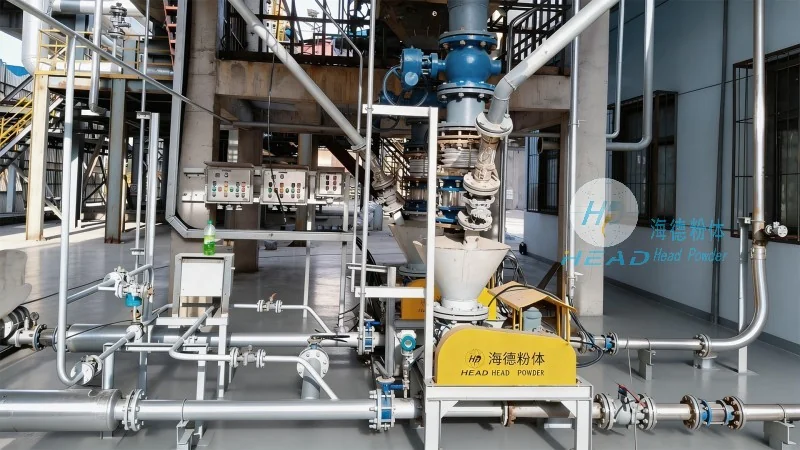
Magnesia pneumatic conveying systems are widely used in various industries where fine powders need to be transported efficiently and safely. One of the primary applications is in the refractory industry, where magnesia is used to produce high-temperature resistant materials. The system allows manufacturers to transport magnesia from storage to production lines without the risk of dust exposure or material degradation, ensuring consistent product quality.
In the ceramics industry, magnesia is used as a raw material for making ceramic products. The pneumatic conveying system enables manufacturers to move magnesia powder from grinding and mixing processes to the kiln or other processing equipment. This ensures that the material is handled in a controlled environment, reducing the risk of contamination and improving the uniformity of the final product.
Additionally, magnesia pneumatic conveying systems are used in chemical and pharmaceutical industries where the purity of the material is paramount. The system's ability to maintain product integrity and prevent contamination makes it ideal for transporting magnesia in these applications. By using a pneumatic approach, manufacturers can ensure that the material remains free from moisture, dust, or other contaminants, which is essential for meeting regulatory standards and maintaining product quality.
Overall, the benefits of using a magnesia pneumatic conveying system include improved safety, enhanced product quality, and increased operational efficiency. The system minimizes the risk of dust exposure, reduces material loss, and allows for continuous, automated material handling. These advantages make it a preferred choice for industries dealing with magnesia and other fine powders, contributing to higher productivity and lower operational costs.

 Shandong Headpowder Engineering Co., Ltd.
 156-6277-7102(Manager Zhang)
  0531-83386006
  Zhangqiu District, Jinan City, Shandong Province, China
telephone
WeChatconsult
top