With more than 10‑year industry experience, Shandong Headpowder delivers full‑service pneumatic‑conveying systems and blowers, undertaking nationwide turn‑key powder‑handling projects.
Graphite, a versatile and widely used material in various industries, often requires efficient handling and transportation of its crushed forms. The graphite crush pneumatic conveying system is a specialized equipment designed to transport graphite particles through a pipeline using air or other gas as the conveying medium. This method offers numerous advantages over traditional mechanical conveying systems, such as reduced equipment wear, lower maintenance costs, and the ability to handle fragile or abrasive materials like graphite without causing damage. In this article, we will explore what a graphite crush pneumatic conveying system is and delve into its fundamental design principles. The information provided is based on the expertise of Shandong HeadPowder Engineering Co., Ltd., a leading manufacturer in the field of material handling systems, with operations based in China.
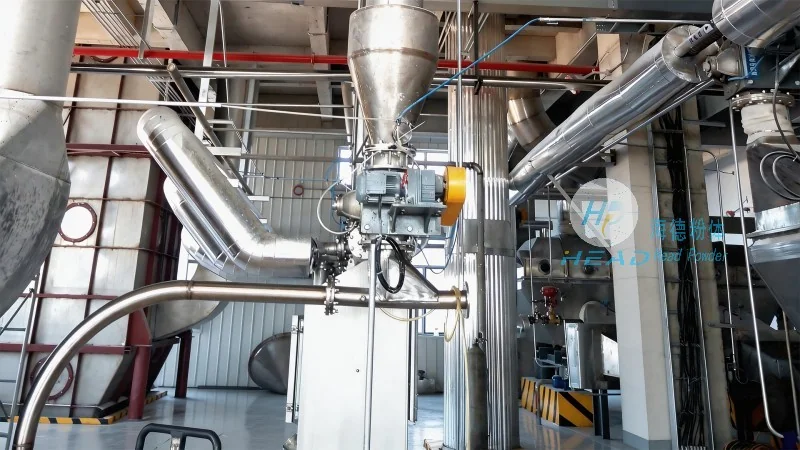
A graphite crush pneumatic conveying system is a closed-loop system that utilizes air pressure to move graphite fragments from a source point to a destination point. The system typically consists of several key components, including a hopper for material storage, a feeder to control the flow rate, a conveying pipeline, a separator to separate the material from the air, and a collection tank or silo. The core of the system is the air compressor, which generates the necessary pressure to propel the graphite particles through the pipeline. The design of each component is critical to ensure efficient and reliable operation.
The design principles of a graphite crush pneumatic conveying system are centered around optimizing material flow, minimizing pressure drop, and ensuring the integrity of the graphite particles. One of the primary design considerations is the selection of the appropriate air velocity. The air velocity must be high enough to lift the graphite particles but low enough to prevent excessive wear on the pipeline and components. This balance is crucial for maintaining the quality of the graphite and extending the system's lifespan. Another critical design principle is the use of appropriate pipe diameters and materials. The pipe diameter is determined based on the particle size distribution and the required flow rate. Typically, larger particles require larger diameters to prevent blockages and ensure smooth flow. The material of the pipeline, often stainless steel or other corrosion-resistant materials, is chosen to withstand the abrasive nature of graphite and the corrosive effects of any moisture present in the air.
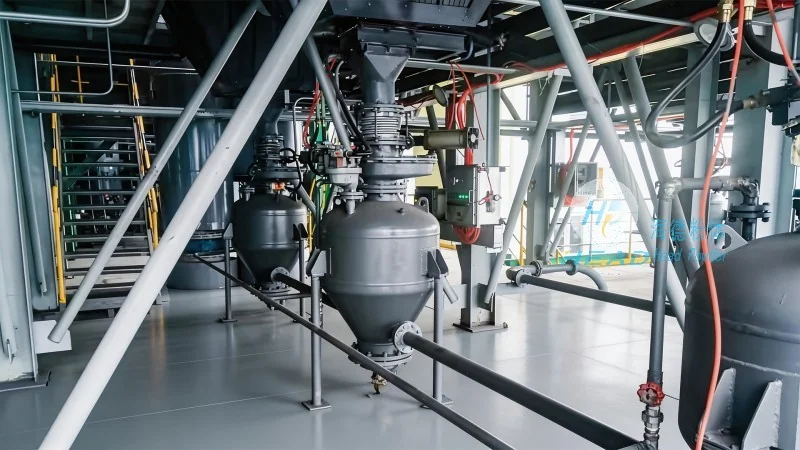
The feeder and hopper are essential components that control the initial flow of graphite into the system. The hopper is designed to store a sufficient quantity of graphite to maintain a consistent feed rate, preventing interruptions in the conveying process. The feeder, which can be a rotary valve, screw feeder, or other type of device, regulates the amount of material released into the pipeline. The design of these components must ensure that the material is fed smoothly and without creating airlocks or blockages. For graphite, which can be prone to sticking due to its fine texture, anti-sticking coatings or special hopper designs are often employed to prevent material buildup and ensure reliable operation.
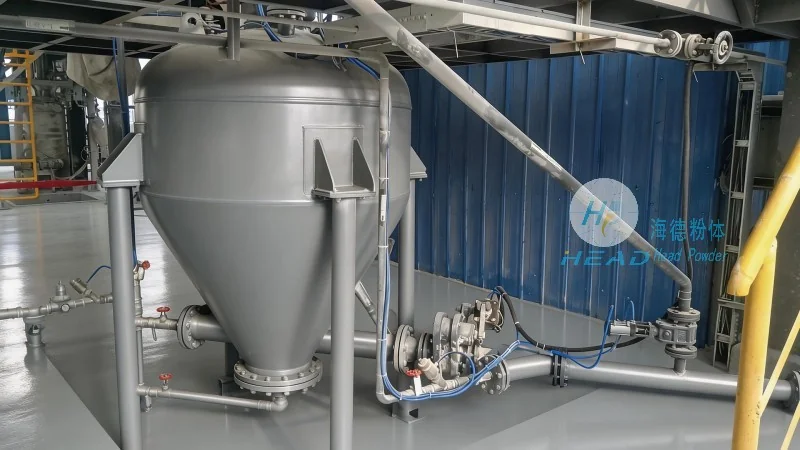
The conveying pipeline is the main pathway for the graphite particles, and its design directly impacts the system's efficiency. The pipeline is usually made of smooth, corrosion-resistant material to minimize friction and pressure losses. The length and layout of the pipeline are carefully planned to minimize bends and changes in direction, as these can cause pressure drops and increase the risk of particle separation. The air compressor is the heart of the system, providing the necessary pressure to move the material. The choice of compressor type, such as a positive displacement or centrifugal compressor, depends on the system's requirements, including the required flow rate and pressure. The compressor must be sized appropriately to handle the specific characteristics of graphite, including its density and particle size.
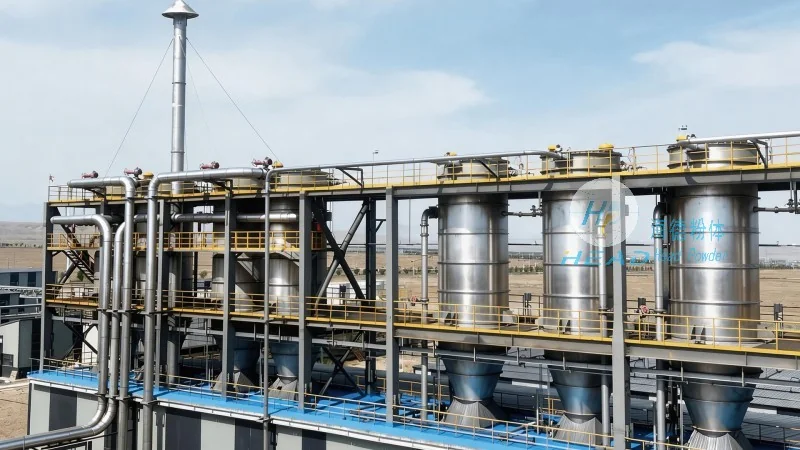
The separator is a critical component that separates the graphite particles from the air after they have been conveyed. This is typically achieved through a cyclone separator or a bag filter. The separator design must be efficient in removing the majority of the particles while minimizing air loss. The collected graphite is then transferred to a collection tank or silo for further processing or storage. The collection system must be designed to handle the specific properties of graphite, such as its fine particle size and potential for dust generation, to ensure safe and efficient handling.
Graphite crush pneumatic conveying systems offer several advantages over traditional mechanical conveying methods. One of the most significant advantages is the reduction in equipment wear and maintenance costs. Since the material is conveyed through a pipeline without direct contact with mechanical parts, the system experiences less wear and tear, leading to lower maintenance requirements and longer service life. Another advantage is the ability to handle fragile or abrasive materials like graphite without causing damage. The air-based conveying method is gentle on the particles, preserving their quality and preventing breakage. Additionally, the system can be easily integrated into existing production lines, allowing for flexible and scalable operations. The closed-loop design also helps in controlling dust emissions, improving workplace safety and environmental compliance.

 Shandong Headpowder Engineering Co., Ltd.
 156-6277-7102(Manager Zhang)
  0531-83386006
  Zhangqiu District, Jinan City, Shandong Province, China
telephone
WeChatconsult
top