With more than 10‑year industry experience, Shandong Headpowder delivers full‑service pneumatic‑conveying systems and blowers, undertaking nationwide turn‑key powder‑handling projects.
For industrial applications involving the handling of lithium cobalt oxide (LCO) powders, efficient and reliable material transport is crucial. This article explores the concept of a lithium cobalt oxide pneumatic conveying system and delves into its fundamental design principles, highlighting the technical aspects that ensure optimal performance in material processing operations.
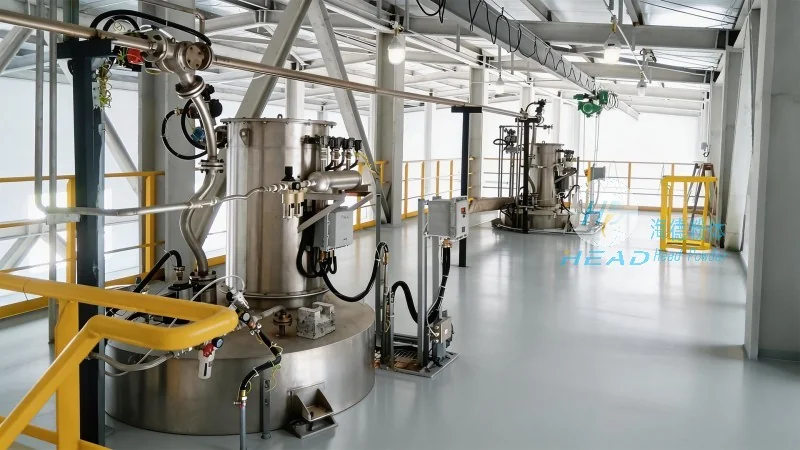
A lithium cobalt oxide pneumatic conveying system is a specialized equipment setup designed to transport lithium cobalt oxide powders through a closed pipeline using compressed air or other gas as the conveying medium. This method offers several advantages over traditional mechanical conveying systems, such as reduced contamination risk, lower maintenance requirements, and the ability to handle materials in a dust-free environment. The system typically consists of a hopper for material storage, a feeder to control the flow rate, a conveying pipeline, and a receiver to collect the material at the destination. The entire process relies on the force generated by the moving air to lift and transport the powder particles, making it an ideal solution for handling sensitive materials like LCO, which are commonly used in lithium-ion battery production.
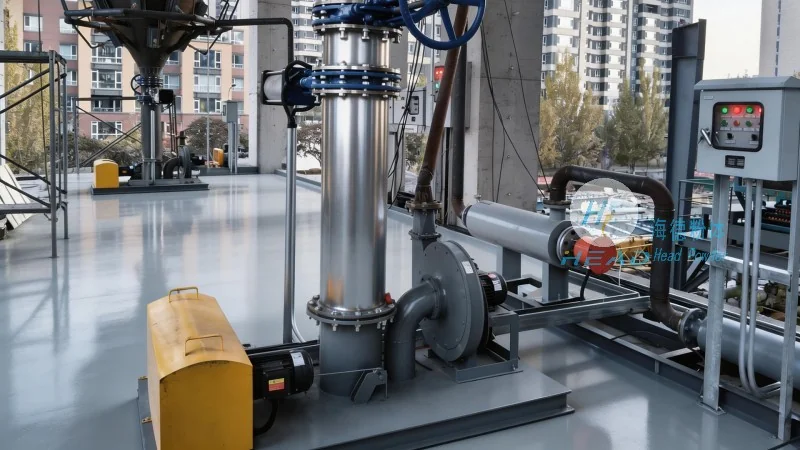
The design of a lithium cobalt oxide pneumatic conveying system involves several critical components that work in tandem to ensure efficient material transport. The first component is the material hopper, which is designed to store the lithium cobalt oxide powder in a controlled manner, preventing agglomeration and ensuring a consistent feed to the feeder. The feeder, often a rotary valve or a vibratory feeder, regulates the flow rate of the powder into the conveying pipeline, preventing overloading and maintaining a stable conveying pressure. The conveying pipeline is typically made of materials resistant to corrosion and wear, such as stainless steel or special polymers, to withstand the abrasive nature of the LCO powder. The pipeline may include bends, expansions, or reductions to adjust the flow characteristics and maintain the conveying efficiency. The receiver is another crucial component, designed to collect the material at the destination, often equipped with a dust collection system to prevent environmental contamination. Additionally, the system may include a filter or a cyclone separator to remove any fine particles from the exhaust air, ensuring compliance with environmental regulations and maintaining the purity of the conveyed material.
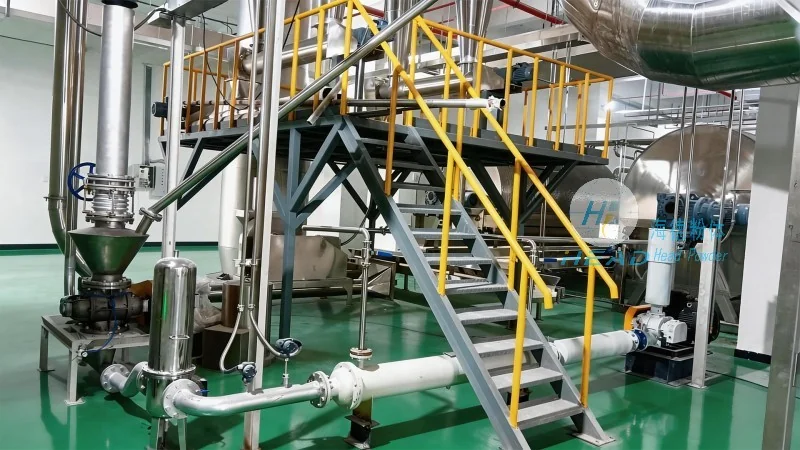
The design principles of a lithium cobalt oxide pneumatic conveying system are centered around achieving high conveying efficiency, minimizing material degradation, and ensuring safe operation. One of the primary design principles is the selection of the appropriate air velocity and pressure. The air velocity must be high enough to overcome the gravitational forces acting on the powder particles and to maintain a stable suspension of the material in the pipeline. However, excessive air velocity can lead to increased energy consumption and potential material degradation due to particle impact. Therefore, the design must balance these factors to achieve the optimal conveying velocity. Another key principle is the consideration of the material's properties, such as particle size, density, and moisture content. The design must account for these properties to ensure that the conveying system can handle the specific characteristics of the lithium cobalt oxide powder without causing blockages or excessive wear. The system's layout and the positioning of components, such as the hopper, feeder, and receiver, are also critical. Proper alignment and spacing of these components help maintain consistent flow and prevent pressure drops that could lead to system inefficiencies. Furthermore, the design must incorporate safety features, such as pressure relief valves and explosion-proof components, to protect against potential hazards associated with the handling of powders, especially in industrial environments where dust explosions are a concern.
Lithium cobalt oxide pneumatic conveying systems find widespread application in various industrial sectors, particularly in the battery manufacturing industry. These systems are used to transport LCO powders from storage silos to mixing and processing units, ensuring a continuous and controlled supply of raw material. The benefits of using such a system include improved material handling efficiency, reduced labor costs, and enhanced product quality due to the minimized risk of contamination and material degradation. Additionally, the dust-free operation of the system contributes to a safer working environment and helps comply with environmental regulations regarding particulate emissions. The system's flexibility allows for easy integration into existing production lines, and its modular design enables scalability to accommodate changes in production capacity. In summary, the lithium cobalt oxide pneumatic conveying system is a vital component in modern industrial operations, providing a reliable and efficient means of handling sensitive materials while adhering to safety and environmental standards.
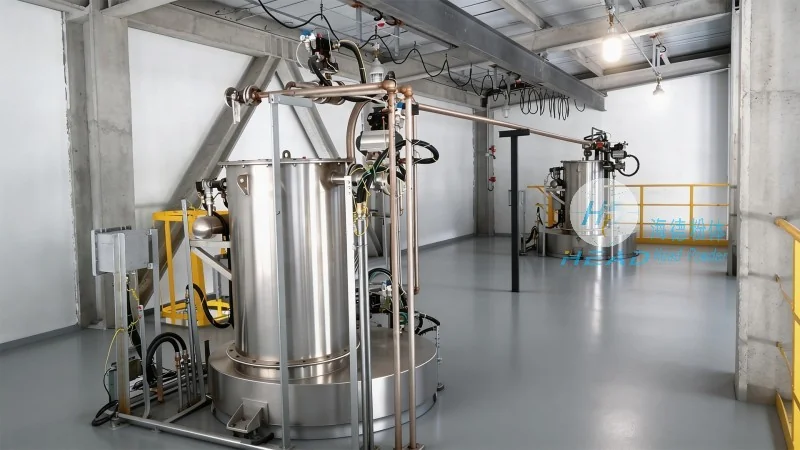
Shandong HeadPowder Engineering Co., Ltd., commonly known as HeadPowder, is a leading manufacturer and supplier of advanced material handling equipment, including pneumatic conveying systems. With a strong focus on innovation and quality, HeadPowder specializes in designing and producing customized solutions for various industrial applications, particularly in the battery and chemical industries. The company's headquarters is located in Shandong, China, and it has established a reputation for delivering high-performance equipment that meets the stringent requirements of modern industrial processes. HeadPowder's commitment to customer satisfaction and technical excellence has made it a trusted partner for businesses seeking reliable material handling solutions. By leveraging advanced engineering and manufacturing capabilities, HeadPowder continues to provide cutting-edge solutions that enhance operational efficiency and product quality in industrial settings.

 Shandong Headpowder Engineering Co., Ltd.
 156-6277-7102(Manager Zhang)
  0531-83386006
  Zhangqiu District, Jinan City, Shandong Province, China
telephone
WeChatconsult
top