With more than 10‑year industry experience, Shandong Headpowder delivers full‑service pneumatic‑conveying systems and blowers, undertaking nationwide turn‑key powder‑handling projects.
When it comes to handling and transporting bentonite—a versatile clay material widely used in various industrial applications—pneumatic conveying systems offer an efficient and effective solution. These systems, often referred to as bentonite pneumatic conveying lines, utilize air or gas to move the material from one location to another. HeadPowder, a leading manufacturer of industrial conveying solutions, specializes in designing and manufacturing such systems tailored to the unique needs of bentonite handling. In this article, we will delve into what these systems are and explore the underlying design principles that make them functional and reliable.
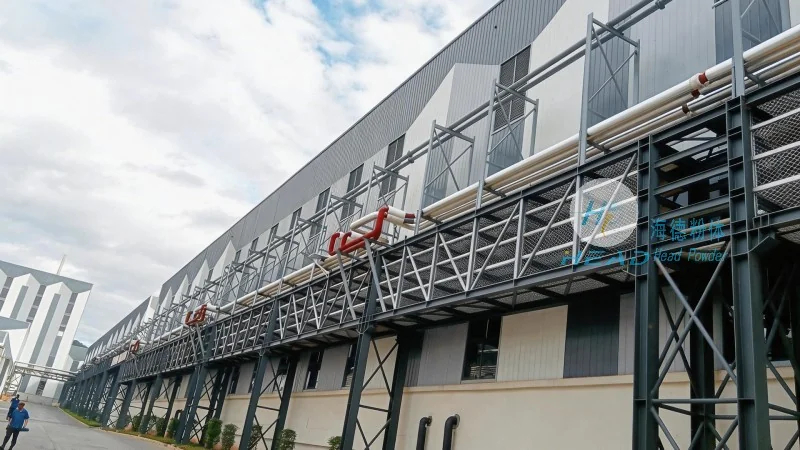
Bentonite, a naturally occurring clay with unique properties such as high swelling capacity and excellent thixotropy, is essential in industries like drilling fluids, foundry, and environmental remediation. Traditional methods of transporting bentonite, such as bulk bags or trucks, can be cumbersome and inefficient, especially when dealing with large volumes or in confined spaces. Bentonite pneumatic conveying systems address these challenges by providing a continuous, low-maintenance, and dust-free method of material transport. The core of these systems is the ability to suspend and transport the bentonite particles in a stream of air, which is then directed to the desired destination.
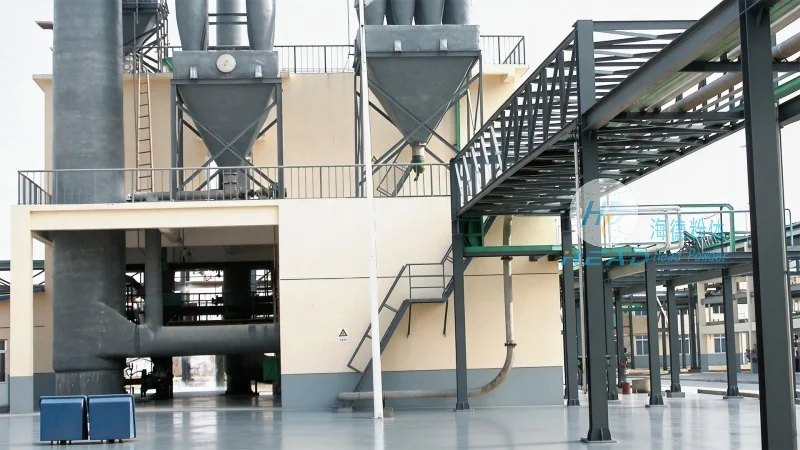
The design of a bentonite pneumatic conveying system is based on several key principles that ensure optimal performance and efficiency. The first principle is the creation of a consistent airflow that can effectively lift and transport the bentonite particles. This is achieved through the use of a positive displacement blower or a high-pressure compressor, which generates the necessary air pressure and volume. The second principle is the proper sizing of the conveying line, including the diameter of the pipes and the length of the run. The diameter must be sufficient to prevent particle settling and ensure smooth flow, while the length must be optimized to minimize pressure drop and energy consumption. The third principle involves the use of appropriate components such as in-line mixers, rotary valves, and dust collectors to maintain the system's efficiency and prevent material buildup or blockages.
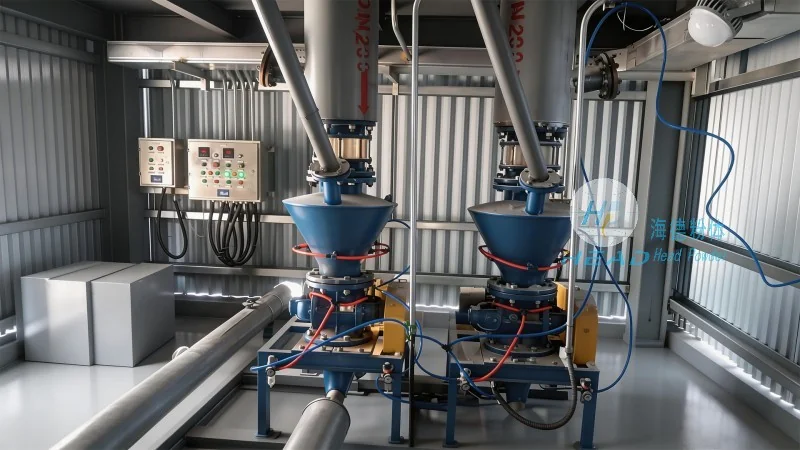
Several critical components work together to ensure the smooth operation of a bentonite pneumatic conveying system. The primary components include the material hopper, which stores the bentonite and feeds it into the system; the air supply unit, which provides the necessary airflow; the conveying line, which transports the material; and the receiving hopper or silo, which collects the material at the destination. In-line mixers are often incorporated to ensure that the bentonite is fully suspended in the air stream, preventing clumping or agglomeration. Rotary valves are used to control the flow of material from the hopper into the conveying line, providing a controlled and consistent feed rate. Dust collectors are essential for maintaining air quality and preventing the release of fine particles into the environment, which is particularly important when handling bentonite due to its potential health hazards.
Implementing a bentonite pneumatic conveying system offers numerous advantages over traditional transport methods. One of the most significant benefits is the reduction in labor and time required for material handling. Unlike manual loading or truck transport, pneumatic systems can operate continuously, allowing for 24/7 operation and increased productivity. Another advantage is the elimination of dust and mess, which improves workplace safety and reduces the risk of contamination. The systems also provide better control over the material flow, ensuring consistent quality and preventing overloading or underloading of equipment. Additionally, pneumatic conveying systems are more environmentally friendly, as they reduce the need for packaging and minimize waste generation.
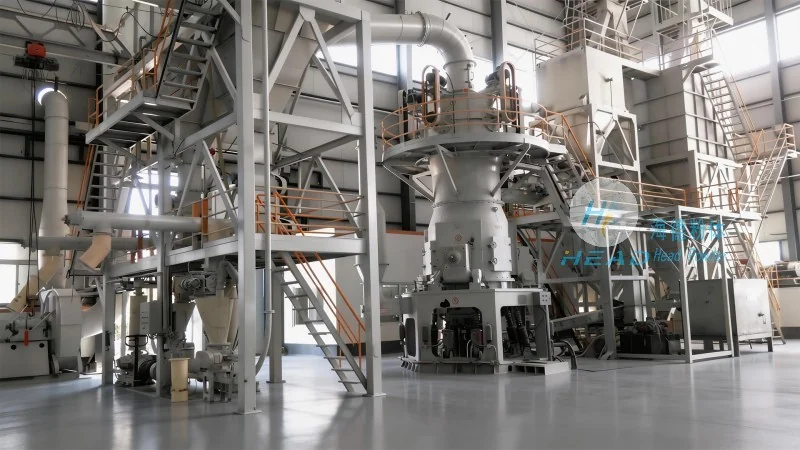
Bentonite pneumatic conveying systems are widely used across various industries due to the material's versatility. In the oil and gas industry, bentonite is used to formulate drilling fluids, and pneumatic systems are used to transport it to drilling sites. In the foundry industry, bentonite is used as a binding agent in sand molds, and the systems help transport it to the molding equipment. The environmental remediation industry also relies on bentonite for soil stabilization and groundwater treatment, and pneumatic systems facilitate the transport of the material to treatment sites. Other applications include the food industry, where bentonite is used as a clarifying agent in beverages, and the pharmaceutical industry, where it is used as an excipient in drug formulations.

 Shandong Headpowder Engineering Co., Ltd.
 156-6277-7102(Manager Zhang)
  0531-83386006
  Zhangqiu District, Jinan City, Shandong Province, China
telephone
WeChatconsult
top