With more than 10‑year industry experience, Shandong Headpowder delivers full‑service pneumatic‑conveying systems and blowers, undertaking nationwide turn‑key powder‑handling projects.
For industries dealing with bulk materials like mine sand, efficient and reliable material handling systems are crucial. A mine sand pneumatic conveying line is a specialized system designed to transport such materials through a network of pipes using air pressure or vacuum. This technology offers a solution to the challenges of transporting abrasive and heavy materials over long distances without the need for complex machinery or extensive infrastructure.
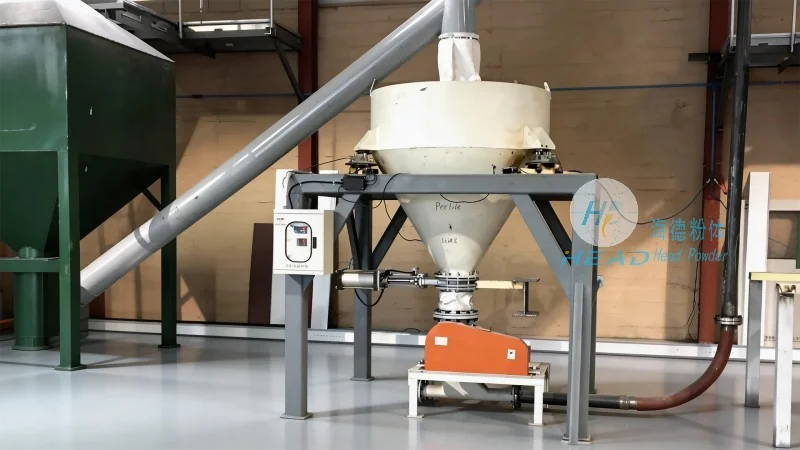
The primary function of a mine sand pneumatic conveying line is to move bulk materials such as mine sand from one location to another within a processing facility or between different stages of production. Unlike traditional methods like belt conveyors or bucket elevators, pneumatic conveying systems use air to transport the material, which can be particularly advantageous for materials that are difficult to handle mechanically due to their size, shape, or abrasive nature.
A typical mine sand pneumatic conveying line consists of several key components that work together to ensure efficient material transport. These components include the material feed hopper, which holds the mine sand and regulates the flow into the system; the air compressor or vacuum pump, which provides the necessary pressure or suction to move the material; the conveying pipes, which form the main pathway for the material and air; and the control valves and regulators, which manage the air flow and pressure to maintain optimal conveying conditions.
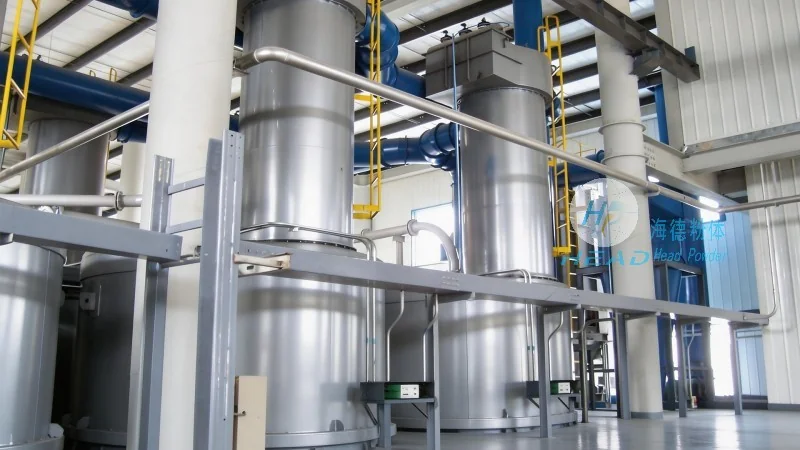
The design of a mine sand pneumatic conveying line is based on several fundamental principles to ensure it operates efficiently and safely. One of the most critical principles is the selection of the appropriate air velocity, which must be high enough to keep the material suspended in the air stream but not so high as to cause excessive wear on the system components. The system design also considers the material's properties, such as its density, particle size distribution, and abrasiveness, to determine the optimal conveying pressure and pipe diameter.
Implementing a mine sand pneumatic conveying line offers several advantages over traditional material handling methods. One of the main benefits is the ability to transport materials in a closed system, which helps to prevent dust emissions and contamination, improving workplace safety and environmental compliance. Additionally, pneumatic conveying systems can handle materials with high moisture content or those that are prone to clumping, as the air stream breaks up agglomerates and keeps the material in suspension. The system also allows for flexible routing, enabling the material to be transported to multiple destinations from a single source without the need for additional equipment.
When designing a mine sand pneumatic conveying system, several factors must be carefully considered to ensure optimal performance. The first consideration is the distance and layout of the conveying route, as this will determine the required air pressure and pipe diameter. The material's properties, including its flowability and abrasiveness, are also critical, as they will affect the wear rate of the system components and the overall efficiency of the conveying process. Furthermore, the system must be designed to handle variations in material flow rate and pressure, ensuring that it can maintain consistent performance under different operating conditions.
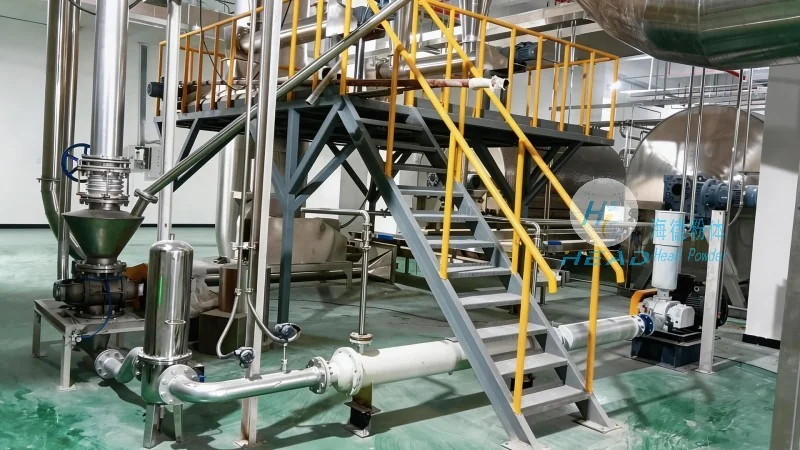
Mine sand pneumatic conveying lines are widely used in various industries that process bulk materials. In the mining industry, they are used to transport mine sand from the extraction site to processing facilities or storage areas. In the construction industry, they can be used to transport sand and other aggregates from storage to mixing plants. Additionally, they are used in the chemical and food processing industries for transporting powders and granules, where the need for a clean and dust-free environment is paramount.
A well-designed mine sand pneumatic conveying line is an essential component of any bulk material handling system, offering efficient, reliable, and safe transportation of mine sand and similar materials. By understanding the core functions, key components, and design principles of such a system, industries can make informed decisions about implementing this technology to improve their operational efficiency and reduce costs. The expertise of companies like Shandong HeadPowder Engineering Co., Ltd., with their focus on providing tailored solutions for material handling needs, plays a crucial role in ensuring the successful implementation and operation of these systems.

 Shandong Headpowder Engineering Co., Ltd.
 156-6277-7102(Manager Zhang)
  0531-83386006
  Zhangqiu District, Jinan City, Shandong Province, China
telephone
WeChatconsult
top