With more than 10‑year industry experience, Shandong Headpowder delivers full‑service pneumatic‑conveying systems and blowers, undertaking nationwide turn‑key powder‑handling projects.
HeadPowder, a leading manufacturer based in Shandong, China, specializes in the design and production of advanced pneumatic conveying systems for lithium-ion battery applications. These systems are crucial in the battery manufacturing process, ensuring efficient and safe transportation of raw materials and components. This article explores the fundamental aspects of lithium-ion battery pneumatic conveying systems, including their design principles and operational mechanisms.
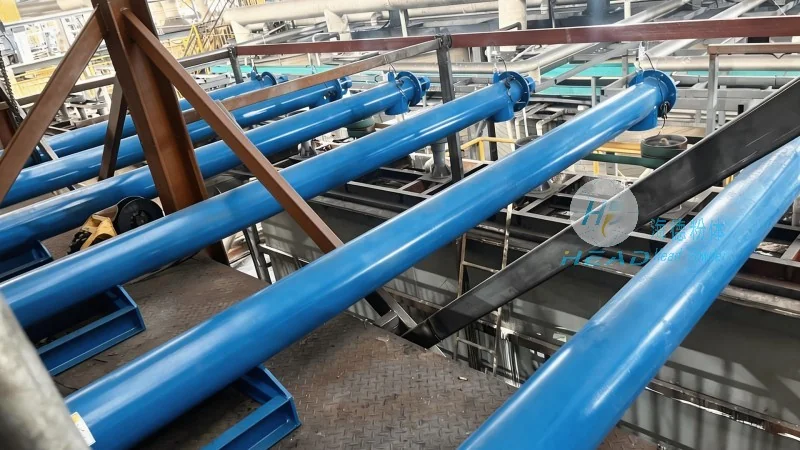
A lithium-ion battery pneumatic conveying system is a specialized equipment used to transport materials within the battery production line. The system utilizes compressed air or other gases to move powders, granules, or other battery components from one location to another. This method offers several advantages over traditional mechanical conveyors, such as reduced contamination risk, lower maintenance requirements, and the ability to handle sensitive materials without damage. The system typically consists of a hopper, a conveying line, a control unit, and a receiver. The hopper holds the material to be conveyed, while the control unit regulates the air flow and pressure to ensure smooth operation. The conveying line, often made of stainless steel or other corrosion-resistant materials, transports the material to the receiver, where it is collected for further processing.
The design of a lithium-ion battery pneumatic conveying system is governed by several critical principles to ensure optimal performance and safety. First, the system must be designed to handle the specific properties of lithium-ion battery materials, such as their particle size, moisture content, and chemical stability. This involves selecting appropriate materials for the hopper, conveying line, and other components to prevent material degradation or contamination. Second, the system must maintain a consistent air flow and pressure to ensure reliable material transport. This is achieved through the use of high-quality air compressors and pressure regulators, which are carefully calibrated to match the system's requirements. Third, the system must incorporate safety features to prevent accidents and ensure compliance with industry standards. These features may include pressure relief valves, explosion-proof designs, and automatic shut-off mechanisms in case of abnormal conditions. Additionally, the system's design must consider the overall production line layout, ensuring that the conveying path is efficient and minimizes material handling time and costs.
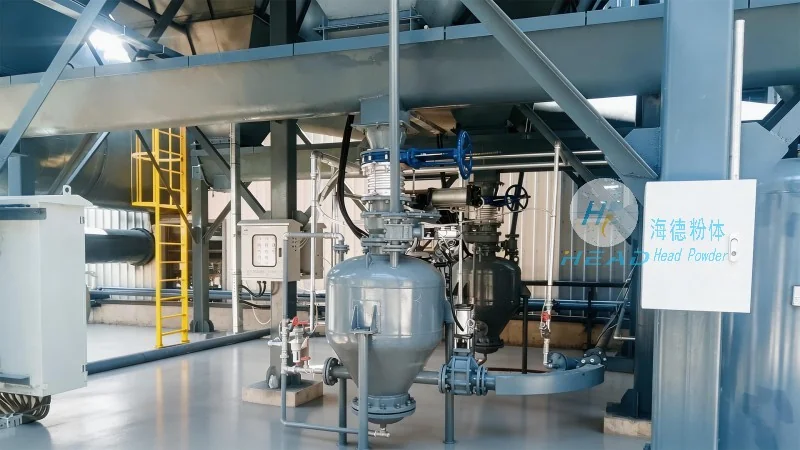
The operational mechanism of a lithium-ion battery pneumatic conveying system involves several steps. First, the material is loaded into the hopper. The control unit then activates the air compressor, which generates compressed air. The air is introduced into the conveying line, creating a low-pressure zone that draws the material from the hopper into the line. The material is then carried along the line by the air flow to the receiver. The system can operate in either positive or negative pressure modes, depending on the application and material properties. Positive pressure systems use compressed air to push the material forward, while negative pressure systems use vacuum to pull the material. The choice of mode depends on factors such as the material's dustiness, the distance to be conveyed, and the need to prevent contamination. Lithium-ion battery pneumatic conveying systems are widely used in various stages of battery production, including the transport of cathode materials, anode materials, separators, and electrolytes. They are also used for the transfer of finished battery cells from production lines to packaging or testing areas. The efficiency and reliability of these systems are essential for maintaining high production throughput and ensuring the quality of the final battery products.
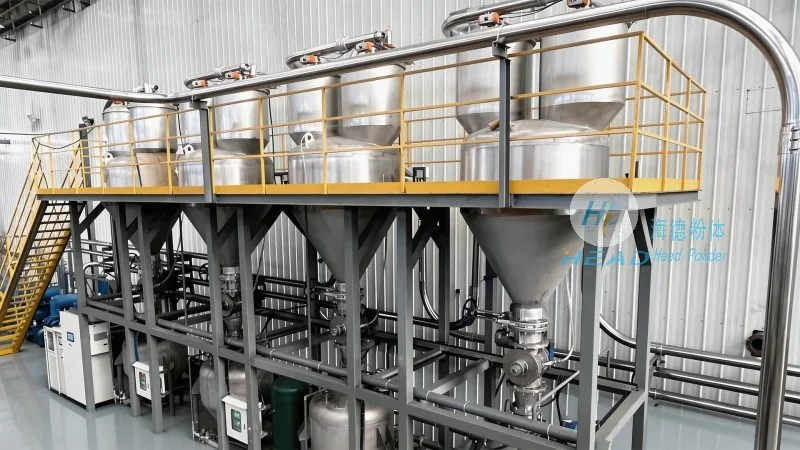
Implementing a lithium-ion battery pneumatic conveying system offers several benefits. These include improved material handling efficiency, reduced labor costs, and enhanced safety compared to manual or mechanical methods. The systems are also highly adaptable, allowing for easy integration into existing production lines and future expansion. However, there are also considerations to keep in mind. The initial investment cost of a pneumatic conveying system can be higher than that of traditional conveyors, and the energy consumption may be higher due to the use of compressed air. Additionally, the system requires regular maintenance to ensure optimal performance and prevent downtime. Proper training of operators and adherence to safety protocols are also crucial to maximize the system's benefits and minimize risks.
Lithium-ion battery pneumatic conveying systems are sophisticated and essential components of modern battery manufacturing facilities. Their design principles, operational mechanisms, and advantages make them a preferred choice for efficient and safe material transport. As the demand for lithium-ion batteries continues to grow, the importance of reliable and efficient conveying systems will only increase. HeadPowder, with its expertise in this field, provides high-quality solutions tailored to the specific needs of battery manufacturers, ensuring that their production processes are optimized for performance and safety.

 Shandong Headpowder Engineering Co., Ltd.
 156-6277-7102(Manager Zhang)
  0531-83386006
  Zhangqiu District, Jinan City, Shandong Province, China
telephone
WeChatconsult
top