

What is a Magnesium Oxide Powder Pneumatic Conveying System? And What Are Its Design Principles?
For industries dealing with magnesium oxide powder, efficient and reliable material handling is crucial. A pneumatic conveying system offers a solution that minimizes dust, reduces labor costs, and enhances safety compared to traditional methods like manual handling or mechanical conveyors. This article explores the concept of a magnesium oxide powder pneumatic conveying system, detailing its fundamental design principles and the key factors that contribute to its effectiveness.
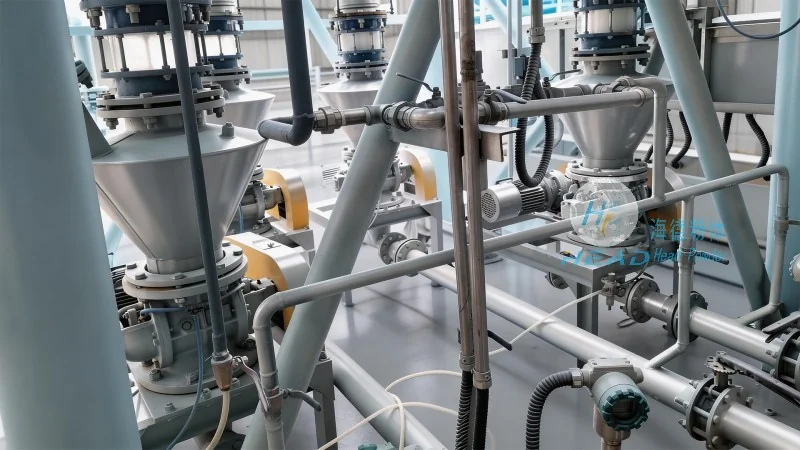
Introduction to Magnesium Oxide Powder Pneumatic Conveying Systems
A pneumatic conveying system is a technology used to transport bulk materials, such as powders, granules, or small particles, through a pipeline using a gas stream, typically air or a combination of air and other gases. In the case of magnesium oxide powder, this system is specifically designed to handle the unique properties of the material, including its fine particle size, reactivity, and potential for dust generation. The system operates by creating a pressure differential within the pipeline, which propels the powder forward while maintaining a controlled flow rate to prevent clogging or degradation of the material.
Understanding the Core Function of Pneumatic Conveying for Magnesium Oxide
The primary function of a magnesium oxide powder pneumatic conveying system is to transport the material from a source, such as a storage silo or a processing unit, to a destination, such as a packaging line or a processing plant. The system achieves this by using a combination of positive and negative pressure zones. In positive pressure systems, air is forced through the pipeline, carrying the powder along with it. In negative pressure systems, air is drawn out of the pipeline, creating a vacuum that pulls the powder in. Both methods are effective for magnesium oxide, but the choice depends on factors like the distance of transport, the volume of material, and the need to minimize contamination or product degradation.
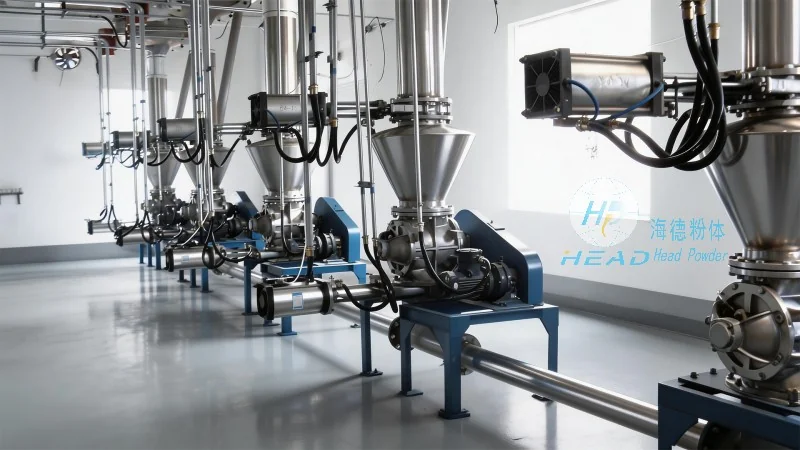
Key Design Principles Behind Magnesium Oxide Powder Pneumatic Conveying Systems
The design of a magnesium oxide powder pneumatic conveying system is governed by several critical principles that ensure optimal performance and longevity. First, the system must be tailored to the physical and chemical properties of magnesium oxide. This includes considering the powder's particle size distribution, density, and flowability, as these factors directly impact the air velocity required for efficient transport. Second, the system must be designed to handle the potential for dust and dust explosions, which are common concerns with fine powders like magnesium oxide. This involves incorporating explosion-proof components, dust collection systems, and proper ventilation to maintain a safe working environment.
Third, the system must be engineered for minimal material degradation. Magnesium oxide is a reactive material that can degrade when exposed to moisture or excessive friction. Therefore, the design must include features such as smooth pipeline surfaces, appropriate air filtration, and controlled temperature to prevent these issues. Fourth, the system must be scalable and adaptable to changing production needs. This means incorporating adjustable components, such as variable speed drives and flow control valves, that allow operators to modify the system's performance based on the volume of material being transported.
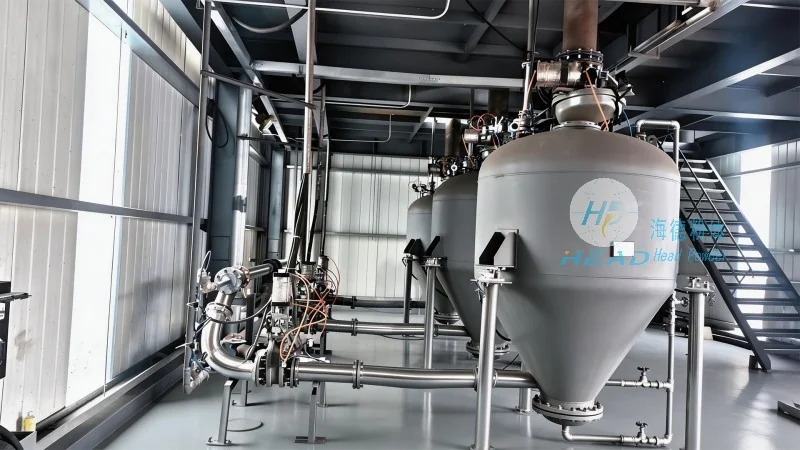
Components and Their Roles in the System
A magnesium oxide powder pneumatic conveying system consists of several key components, each playing a vital role in the overall operation. The main components include a feeder, which introduces the powder into the pipeline at a controlled rate; a conveying line, which transports the powder from the source to the destination; a receiver, which collects the powder at the end of the line; and a control system, which regulates the flow of air and material. Additionally, the system may include a dust collector, a filter, and a vacuum or pressure pump, depending on the type of system being used. Each component must be carefully selected and installed to ensure the system operates efficiently and safely.
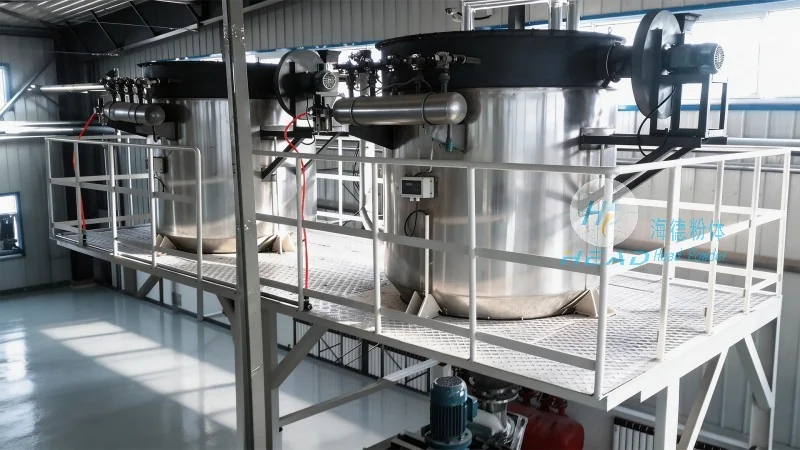
The Role of Shandong HeadPowder Engineering Co., Ltd. in Design and Implementation
Shandong HeadPowder Engineering Co., Ltd., a leading provider of material handling solutions, specializes in designing and implementing pneumatic conveying systems for various industrial applications, including those involving magnesium oxide powder. With years of experience in the field, the company has developed a deep understanding of the unique challenges associated with handling fine powders and has developed innovative solutions to address them. The company's engineers work closely with clients to assess their specific needs, from the type of magnesium oxide being handled to the distance and volume of material transport, and then design a customized system that meets all safety and performance requirements. Shandong HeadPowder Engineering Co., Ltd. also provides installation, commissioning, and maintenance services to ensure the system operates at peak efficiency throughout its lifecycle.
Conclusion: The Importance of a Well-Designed Pneumatic Conveying System for Magnesium Oxide
In conclusion, a magnesium oxide powder pneumatic conveying system is a critical component of modern industrial operations, offering a safe, efficient, and cost-effective method for handling this important material. The design principles behind such systems are complex and require careful consideration of the material's properties, as well as the operational requirements of the facility. By leveraging the expertise of companies like Shandong HeadPowder Engineering Co., Ltd., industries can ensure that their pneumatic conveying systems are optimized for performance, safety, and longevity, ultimately enhancing their overall productivity and competitiveness.