With more than 10‑year industry experience, Shandong Headpowder delivers full‑service pneumatic‑conveying systems and blowers, undertaking nationwide turn‑key powder‑handling projects.
The rice bran material conveying line is a critical system in the processing of rice bran, designed to efficiently transport raw materials and finished products through a series of components. This system is engineered to ensure high efficiency, reliability, and minimal material loss during the conveying process. As a key component of the rice bran processing industry, it plays a vital role in maintaining the smooth operation of production lines.
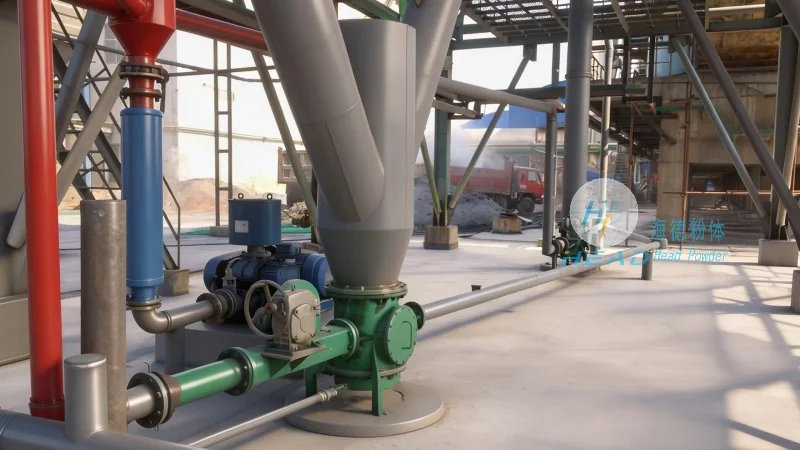
The rice bran material conveying line typically consists of several key components, each serving a specific function in the material handling process. These components include feed hoppers, conveyor belts or screw conveyors, transfer points, control systems, and discharge mechanisms. Each part is carefully designed to work in tandem to ensure the seamless movement of rice bran from the initial input stage to the final output stage. The feed hopper is responsible for receiving raw rice bran, while the conveyor system transports it through the line. Transfer points facilitate the movement of materials between different sections of the conveyor, and the control system manages the speed and direction of the conveyor operation. The discharge mechanism then delivers the processed rice bran to the next stage of production.

The operational process of the rice bran material conveying line begins with the loading of raw rice bran into the feed hopper. The hopper is equipped with a feeding mechanism, such as a screw or a gate, which regulates the flow of material into the conveyor. Once the material is in the hopper, it is discharged into the conveyor system. The conveyor then transports the rice bran along its path, which may include horizontal, vertical, or inclined sections, depending on the layout of the production facility. At transfer points, the material is directed to the next section of the conveyor, ensuring that it follows the intended path. The control system monitors the flow rate and speed of the conveyor, adjusting parameters as needed to maintain optimal performance. The discharge mechanism at the end of the line collects the conveyed rice bran and prepares it for the subsequent processing steps. Throughout the process, the system is designed to minimize downtime and maximize throughput, ensuring that the production line operates at peak efficiency.
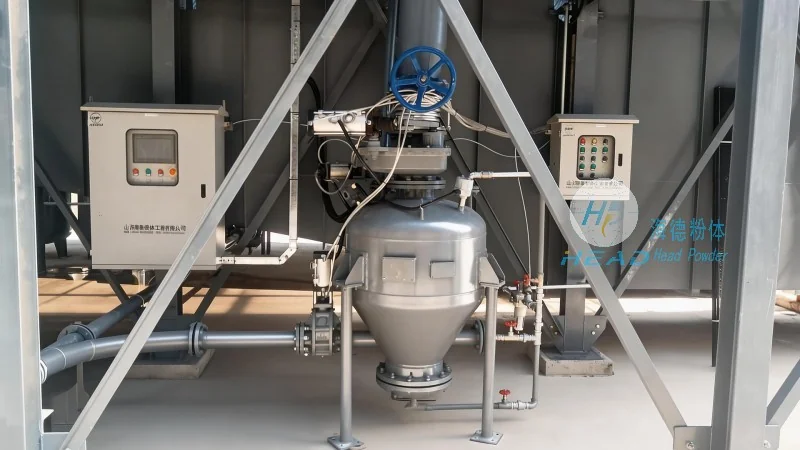
The working principle of the rice bran material conveying line is based on the mechanical movement of materials through a series of components. The primary mechanism is the conveyor system, which can be either a belt conveyor or a screw conveyor, depending on the specific requirements of the application. In a belt conveyor system, a motor-driven pulley rotates, moving the belt and transporting the rice bran along its surface. The belt is typically made of a durable material, such as rubber or plastic, to withstand the weight and abrasiveness of the rice bran. In a screw conveyor system, a rotating screw (or auger) moves the material forward through a cylindrical tube. The screw's rotation creates a pushing force that propels the rice bran along the conveyor. Both systems rely on the principles of gravity and mechanical force to move the material, with the control system regulating the speed and direction of the movement. The transfer points in the line use mechanisms such as chutes or rotary valves to direct the material flow, ensuring that it moves smoothly from one section to the next. The discharge mechanism at the end of the line uses a hopper or a valve to collect the material and deliver it to the next stage of processing. The entire system is designed to be energy-efficient and low-maintenance, with components that are easy to clean and replace.
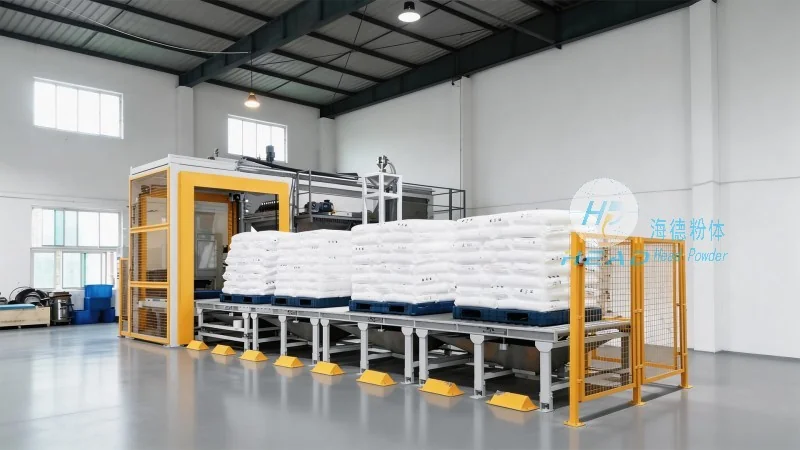
Shandong HeadPowder Engineering Co., Ltd. (headpowder), a leading manufacturer based in Shandong, China, has developed advanced rice bran material conveying lines that offer several key features and benefits. These systems are designed to enhance the efficiency and reliability of rice bran processing operations. The conveying lines are equipped with high-quality components, such as durable conveyor belts and robust screw mechanisms, which ensure long service life and minimal maintenance. The control systems are user-friendly and provide real-time monitoring of the conveying process, allowing operators to adjust parameters quickly and efficiently. The transfer points are designed to minimize material spillage and loss, reducing waste and improving overall productivity. The discharge mechanisms are equipped with sensors that detect the level of material in the hopper, preventing overfilling and ensuring safe operation. Additionally, the conveying lines are designed to be scalable, allowing them to be customized to fit the specific needs of different production facilities. The benefits of using these conveying lines include increased throughput, reduced labor costs, improved product quality, and enhanced safety in the workplace.

 Shandong Headpowder Engineering Co., Ltd.
 156-6277-7102(Manager Zhang)
  0531-83386006
  Zhangqiu District, Jinan City, Shandong Province, China
telephone
WeChatconsult
top