With more than 10‑year industry experience, Shandong Headpowder delivers full‑service pneumatic‑conveying systems and blowers, undertaking nationwide turn‑key powder‑handling projects.
Lead powder pneumatic conveying is a specialized method used in the handling and transportation of lead powder through a system that utilizes air as the conveying medium. This technology is integral to industries where lead powder is processed, such as battery manufacturing, where lead powder is a critical component in the production of lead-acid batteries. Understanding the working principle of this system is essential for optimizing material flow, ensuring safety, and maintaining operational efficiency in lead powder handling applications.
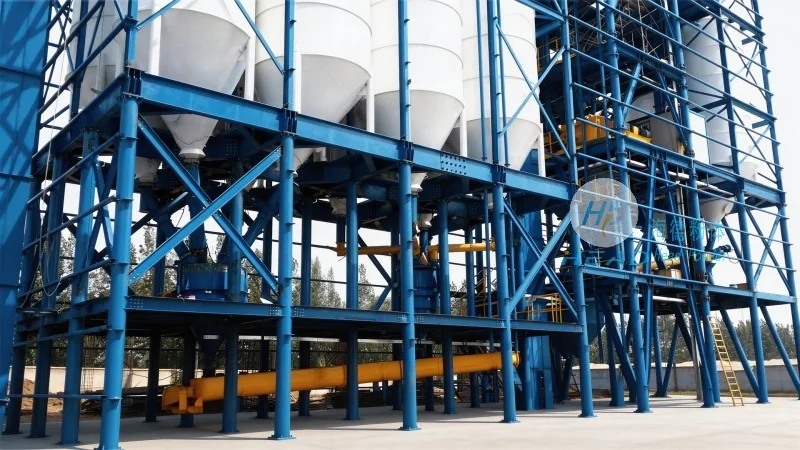
Pneumatic conveying systems operate by transporting solid materials like lead powder through a pipeline using compressed air or other gas. The core components of such a system typically include a hopper for material storage, a feeder to control the flow rate, a conveying line, and a receiver to collect the material at the destination. The system can be categorized into two main types: dilute-phase and dense-phase conveying, each with distinct characteristics and applications.
Dense-phase pneumatic conveying, also known as low-velocity conveying, is particularly suitable for lead powder due to its ability to handle abrasive or sensitive materials with minimal particle degradation. In this method, the material is conveyed in a dense stream, often with a higher solids-to-gas ratio compared to dilute-phase systems. The process involves injecting compressed air at a controlled rate into the conveying line, which creates a slug or plug of material that moves through the pipeline. This approach reduces the risk of particle attrition and is ideal for applications requiring precise control over the material's flow and destination.
Dilute-phase pneumatic conveying, or high-velocity conveying, uses higher air velocities to transport lead powder in a more dispersed state. This method is generally more suitable for shorter distances and less abrasive materials, though it can still be applied to lead powder under certain conditions. The system operates by injecting high-velocity air into the conveying line, which suspends the lead powder particles and propels them through the pipeline. While this method is less energy-intensive for short distances, it may be less effective for handling highly abrasive or sensitive lead powders compared to dense-phase systems.
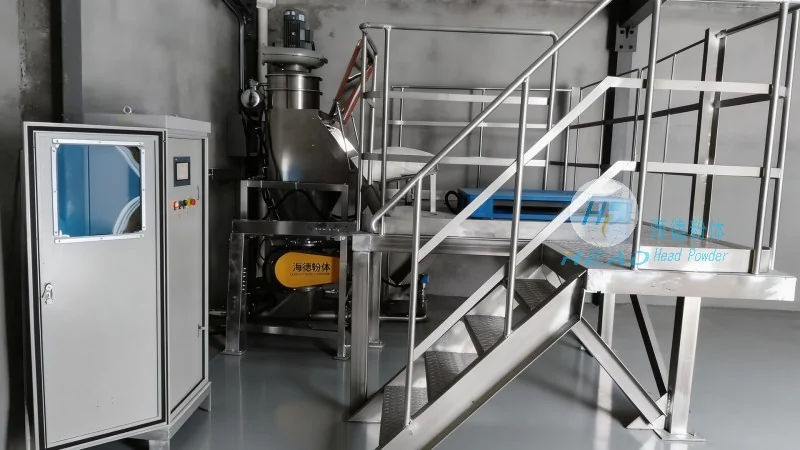
Effective lead powder pneumatic conveying relies heavily on precise control of air pressure and flow within the system. The pressure and flow rates are carefully regulated to ensure that the lead powder is conveyed efficiently without causing excessive wear on system components or compromising material quality. For lead powder, which can be abrasive, maintaining optimal pressure and flow is crucial to prevent equipment damage and ensure consistent product quality. The system may incorporate pressure regulators, flow meters, and other control devices to maintain stable operation and adapt to varying material conditions.
Lead powder pneumatic conveying systems are widely used in various stages of lead powder processing, from raw material handling to final product integration. In battery manufacturing, for example, lead powder is often conveyed from storage silos to mixing and casting equipment. The ability to transport lead powder in a controlled manner ensures that the material is delivered to the production line in the correct quantity and quality, which is critical for the performance of lead-acid batteries. Additionally, these systems can be integrated into recycling processes, where lead powder is recovered from spent batteries and conveyed to reprocessing facilities.
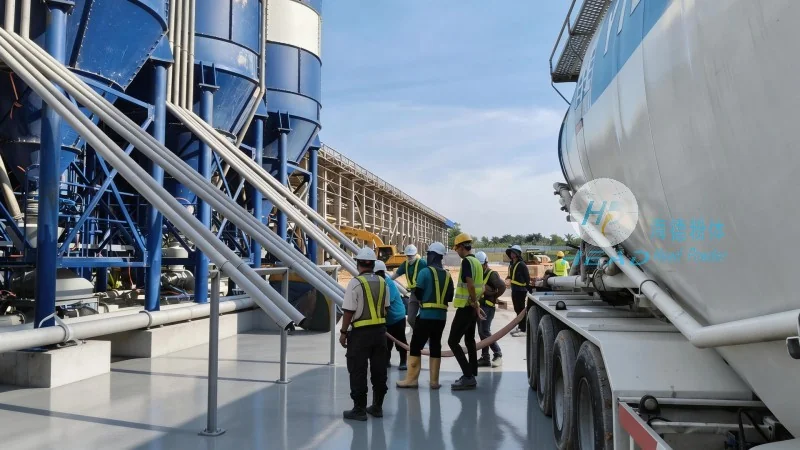
Implementing pneumatic conveying systems for lead powder offers several advantages over traditional methods like bucket elevators or belt conveyors. One of the primary benefits is the ability to handle lead powder in a closed system, which minimizes dust emissions and improves workplace safety. This is particularly important in industries dealing with lead, as exposure to lead dust can pose health risks. Additionally, pneumatic conveying systems can reduce material handling time and labor costs by automating the transportation process. The systems also offer flexibility in terms of layout, allowing for the integration of multiple conveying lines and destinations within a facility.
When designing a lead powder pneumatic conveying system, several factors must be considered to ensure optimal performance and longevity. The system must be constructed from materials that are compatible with lead powder and resistant to corrosion and abrasion. Common materials include stainless steel and specialized alloys that can withstand the chemical and physical properties of lead. Additionally, the system design must account for the specific characteristics of lead powder, such as its particle size distribution, density, and flowability. Proper maintenance, including regular cleaning of the conveying line and replacement of worn components, is essential to prevent blockages and ensure consistent operation.
Lead powder pneumatic conveying is a sophisticated and efficient method for handling lead powder in industrial applications. By understanding the working principles of pneumatic conveying systems, including dense-phase and dilute-phase operations, and considering factors like air pressure control and system design, industries can optimize their lead powder handling processes. The use of such systems not only enhances operational efficiency but also improves safety and product quality, making it a valuable technology in the lead processing industry.

 Shandong Headpowder Engineering Co., Ltd.
 156-6277-7102(Manager Zhang)
  0531-83386006
  Zhangqiu District, Jinan City, Shandong Province, China
telephone
WeChatconsult
top