With more than 10‑year industry experience, Shandong Headpowder delivers full‑service pneumatic‑conveying systems and blowers, undertaking nationwide turn‑key powder‑handling projects.
Dry sludge pneumatic conveying systems are sophisticated industrial solutions designed to transport dry or semi-dry sludge materials efficiently and safely. The effectiveness of such systems hinges on a well-designed combination of key components, each playing a critical role in the overall operation. Understanding these components is essential for optimizing performance, ensuring reliability, and maintaining compliance with environmental standards. For businesses seeking to implement or upgrade their sludge handling processes, a comprehensive grasp of these elements is vital.
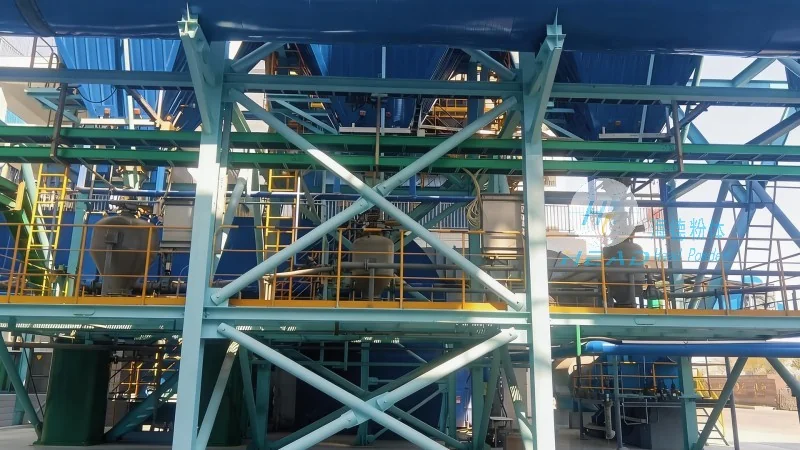
The primary components of a dry sludge pneumatic conveying system typically include the following elements, each contributing to the seamless movement of sludge from source to destination:
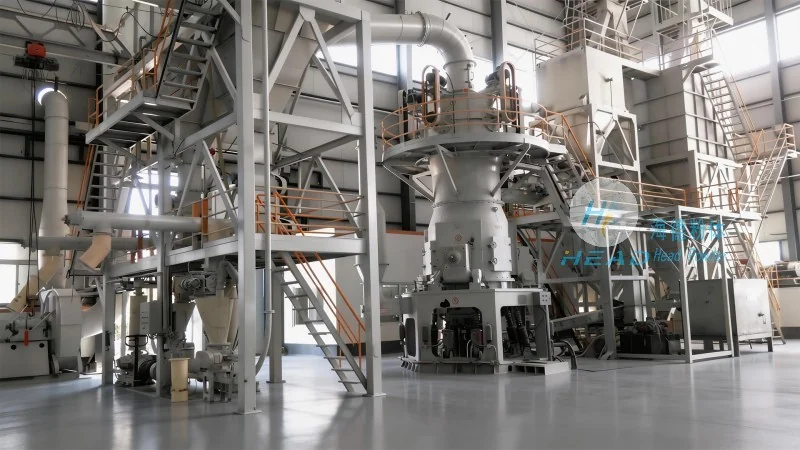
Shandong HeadPowder Engineering Co., Ltd., a leading provider of industrial engineering solutions, specializes in the design, manufacturing, and installation of dry sludge pneumatic conveying systems. The company leverages its expertise in material handling and process engineering to develop customized solutions tailored to the specific needs of clients. By integrating advanced components and control technologies, HeadPowder ensures that its systems deliver optimal performance, energy efficiency, and durability. The company’s commitment to quality and innovation has made it a trusted partner for businesses in the waste management and environmental sectors.
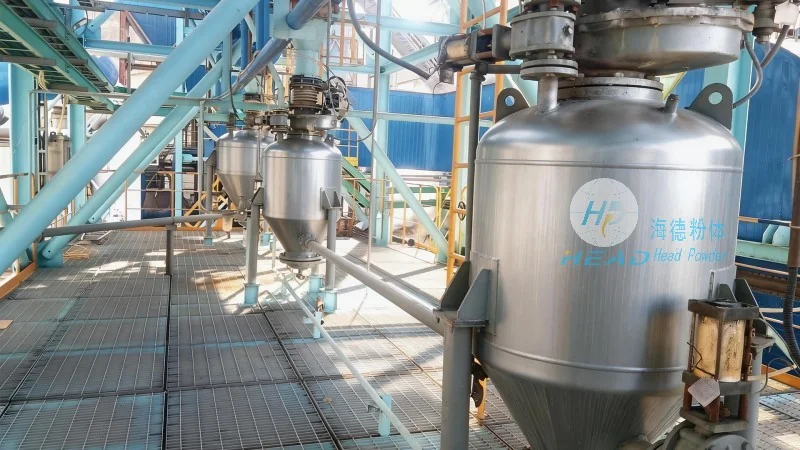
The effectiveness of a dry sludge pneumatic conveying system depends heavily on the integration and coordination of its components. Each part must be carefully selected and sized to match the specific characteristics of the sludge being conveyed, such as particle size, moisture content, and flow rate. For instance, the choice of feeding equipment may vary depending on whether the sludge is dry or semi-dry, while the air supply system must be adjusted to handle the required flow rate and pressure. Proper maintenance of these components is also essential to prevent system failures and ensure long-term operation.
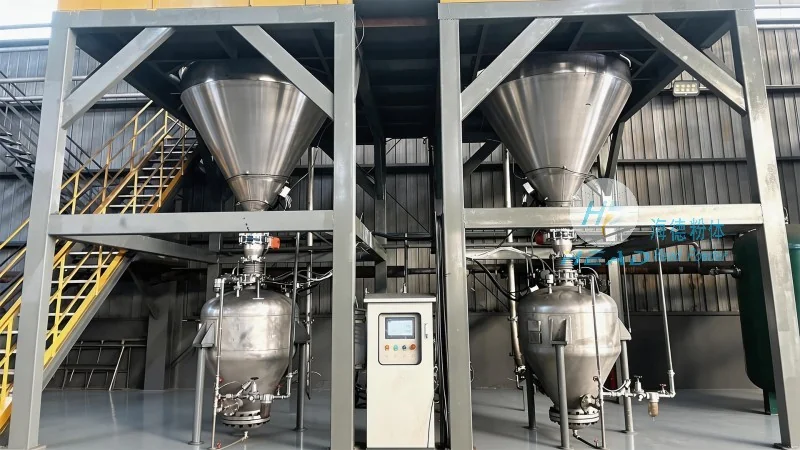
Dry sludge pneumatic conveying systems are complex but highly effective solutions for transporting sludge materials. The components discussed above work in harmony to ensure efficient, reliable, and environmentally compliant operation. By understanding the role of each component and leveraging the expertise of companies like Shandong HeadPowder Engineering Co., Ltd., businesses can implement or upgrade their sludge handling processes to meet modern industry standards. The integration of advanced technology and careful system design ensures that these systems not only meet current requirements but also adapt to future needs, providing a sustainable solution for waste management.

 Shandong Headpowder Engineering Co., Ltd.
 156-6277-7102(Manager Zhang)
  0531-83386006
  Zhangqiu District, Jinan City, Shandong Province, China
telephone
WeChatconsult
top