With more than 10‑year industry experience, Shandong Headpowder delivers full‑service pneumatic‑conveying systems and blowers, undertaking nationwide turn‑key powder‑handling projects.
Cement aggregate pneumatic conveying systems are integral to modern industrial processes, particularly in the construction and cement production sectors. These systems efficiently transport bulk materials like cement, aggregates, and other powders through an enclosed pipeline using air pressure. Understanding the components that make up such a system is crucial for optimizing performance, ensuring safety, and maintaining operational efficiency. This article delves into the key components of cement aggregate pneumatic conveying, providing a comprehensive overview of each element and its role in the overall system.
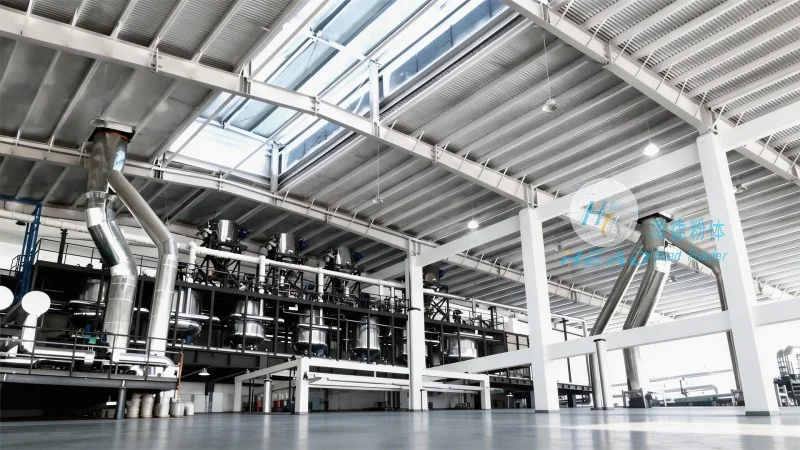
The conveying pipeline is the backbone of any pneumatic conveying system. It is typically made from materials like stainless steel, carbon steel, or plastic, depending on the nature of the material being transported and the environmental conditions. The pipeline must be robust enough to withstand the pressure and abrasion caused by the material flow. In cement aggregate applications, pipelines are often designed with smooth interiors to minimize friction and ensure consistent material movement. The length and diameter of the pipeline are critical factors that affect the system's efficiency and the pressure required to move the material. Properly sized and maintained pipelines are essential for preventing blockages and ensuring the smooth operation of the entire system.
The air supply system is responsible for generating the necessary airflow to move the material through the pipeline. This system typically includes a blower or a fan, which provides the pressure and volume of air required for conveying. The choice of air supply equipment depends on the material's properties, such as its density and flowability, as well as the system's capacity. In cement aggregate applications, high-pressure blowers are often used to handle the heavier and more abrasive materials. The air supply system may also include filters to remove dust and debris from the air, ensuring that the material being conveyed remains clean and free from contamination. Proper maintenance of the air supply system is vital to prevent performance degradation and extend the lifespan of the equipment.
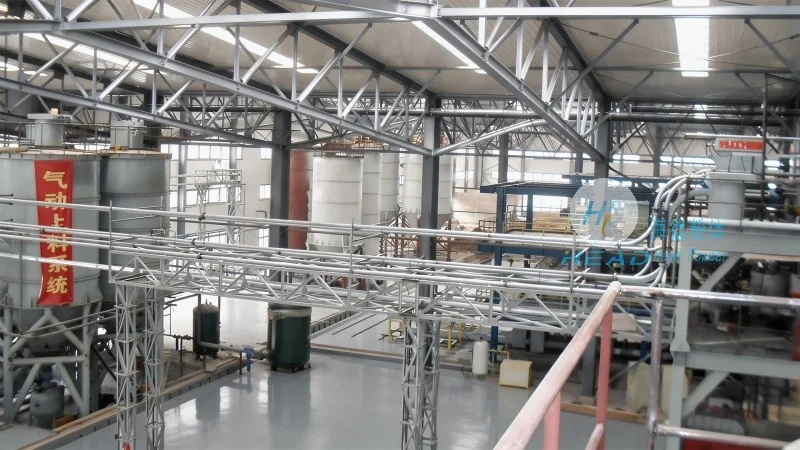
The material feed hopper is the component where the bulk material is introduced into the system. It is designed to hold a sufficient quantity of material to ensure continuous operation without frequent refilling. The hopper is usually equipped with a feeding mechanism, such as a rotary valve or a screw feeder, which controls the flow of material into the pipeline. The design of the hopper is crucial to prevent material bridging or clogging, which can disrupt the conveying process. In cement aggregate systems, the hopper may be lined with wear-resistant materials to withstand the abrasive nature of the material. The feed hopper also plays a role in regulating the material flow rate, which is essential for maintaining the system's balance and preventing overpressure or underpressure conditions.
Control valves and regulators are essential components that manage the flow of both material and air within the pneumatic conveying system. These devices allow operators to adjust the pressure, flow rate, and direction of the material and air as needed. For example, a pressure regulator can maintain a consistent pressure level in the pipeline, while a flow control valve can adjust the speed of material movement. In cement aggregate applications, these components are often integrated with sensors and automation systems to provide real-time monitoring and control. This helps in optimizing the system's performance and reducing energy consumption. Properly calibrated and maintained control valves are critical to prevent system failures and ensure safe operation.
At the end of the conveying pipeline, separation and collection equipment is used to remove the material from the air stream and collect it in a storage or processing area. This component typically includes a cyclone separator or a baghouse filter, depending on the material's characteristics. The cyclone separator uses centrifugal force to separate the material from the air, while the baghouse filter captures fine particles using fabric bags. In cement aggregate systems, the separation equipment must be designed to handle the high volume of material and the potential for abrasive wear. The collected material is then transferred to a storage silo or a processing unit for further use. The efficiency of the separation equipment directly impacts the overall system's performance and the quality of the material being handled.
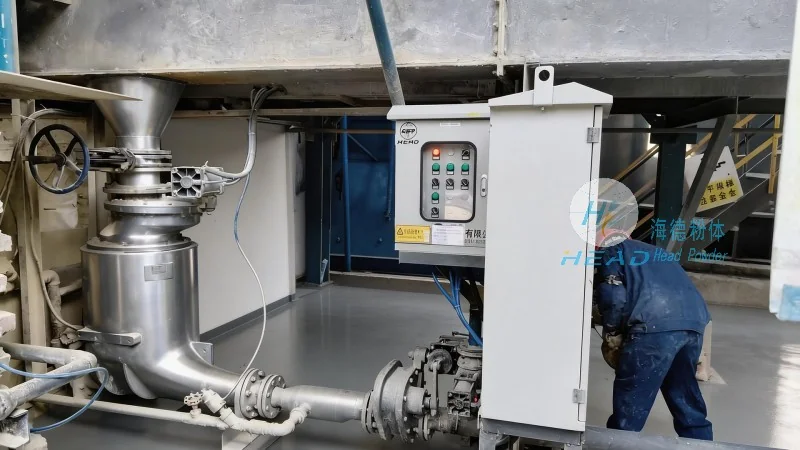
Beyond the primary components, several accessories and support elements are essential for the proper functioning of a cement aggregate pneumatic conveying system. These include components such as check valves, which prevent backflow of material, and pulse jets or air blowers for cleaning the filter bags in baghouse systems. Additionally, the system may include sensors for monitoring pressure, temperature, and flow rates, as well as alarms and safety interlocks to ensure operational safety. The use of wear-resistant liners and seals in various parts of the system helps to extend the equipment's lifespan and reduce maintenance costs. Properly integrated accessories and support components contribute to the reliability and longevity of the entire pneumatic conveying system.
Shandong HeadPowder Engineering Co., Ltd., a leading manufacturer in the field, specializes in designing and supplying high-quality cement aggregate pneumatic conveying systems. With a focus on innovation and customer satisfaction, the company provides comprehensive solutions tailored to the specific needs of its clients. HeadPowder's expertise in material handling and pneumatic conveying technology ensures that their systems are efficient, reliable, and cost-effective. The company's products are manufactured with precision and adhere to international standards, meeting the demanding requirements of the cement and construction industries. Located in Shandong, China, HeadPowder serves clients globally, delivering advanced solutions that enhance operational efficiency and productivity. By understanding the components of cement aggregate pneumatic conveying, industries can make informed decisions when selecting and maintaining their material handling systems, ultimately leading to improved performance and reduced operational costs.

 Shandong Headpowder Engineering Co., Ltd.
 156-6277-7102(Manager Zhang)
  0531-83386006
  Zhangqiu District, Jinan City, Shandong Province, China
telephone
WeChatconsult
top