With more than 10‑year industry experience, Shandong Headpowder delivers full‑service pneumatic‑conveying systems and blowers, undertaking nationwide turn‑key powder‑handling projects.
Understanding the components of a pneumatic conveying system for cement additives is crucial for optimizing material handling efficiency and ensuring reliable operation in industrial settings. This article provides a detailed overview of the key elements that constitute such a system, focusing on the technical aspects and functional components that work together to facilitate the transport of cement additives.
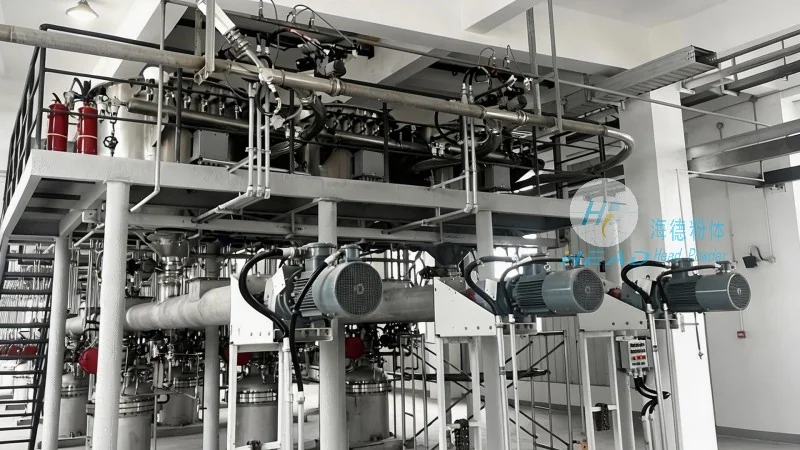
The pneumatic conveying system for cement additives typically consists of several interconnected components, each playing a vital role in the overall process. The primary components include the material feed hopper, the conveying line (either a pipeline or a flexible hose), the air supply system (including a blower or compressor), and the control system. Additionally, auxiliary components such as filters, cyclones, and dust collectors are often integrated to ensure clean and efficient operation.
The material feed hopper is the initial component where cement additives are loaded before being conveyed. It is designed to store the additive material and provide a controlled feed to the conveying line. The hopper may be equipped with a rotary valve or a screw feeder to regulate the flow of material into the system. For bulk cement additives, a silo or a bulk container is often used as the storage unit, with the hopper attached to it to facilitate the transfer of material into the conveying system. The design of the hopper is critical to prevent material bridging or caking, which can impede the flow and affect system performance.
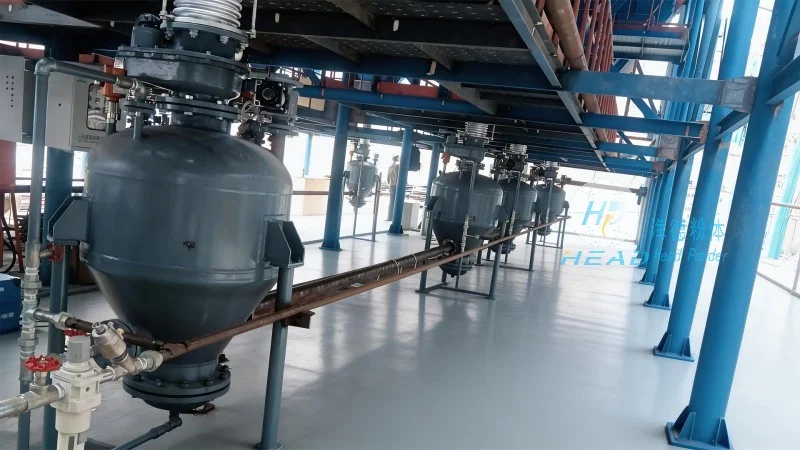
The air supply system is a critical component that generates the necessary airflow to move the cement additives through the conveying line. In pneumatic conveying systems, two main types of air movers are commonly used: positive displacement blowers and centrifugal compressors. Positive displacement blowers, such as rotary lobe blowers or roots blowers, are preferred for their ability to provide high pressure and consistent airflow, which is essential for handling fine or abrasive cement additives. Centrifugal compressors are often used for larger systems or when higher airflow rates are required. The choice of air mover depends on factors like the system pressure, airflow volume, and the specific characteristics of the cement additive being conveyed.
The conveying line is the pathway through which the cement additives are transported. It can be constructed from various materials, including stainless steel, carbon steel, or plastic, depending on the corrosive properties of the additive and the operating conditions. For most cement additives, stainless steel pipelines are commonly used due to their durability and resistance to corrosion. The pipeline may be straight or include bends and elbows, which are designed to minimize pressure losses and ensure smooth material flow. Flexible hoses are also used in some applications, particularly for systems that require frequent movement or where a more flexible setup is needed. The diameter of the conveying line is determined based on the material flow rate and the system pressure, with larger diameters required for higher flow rates to reduce friction losses.
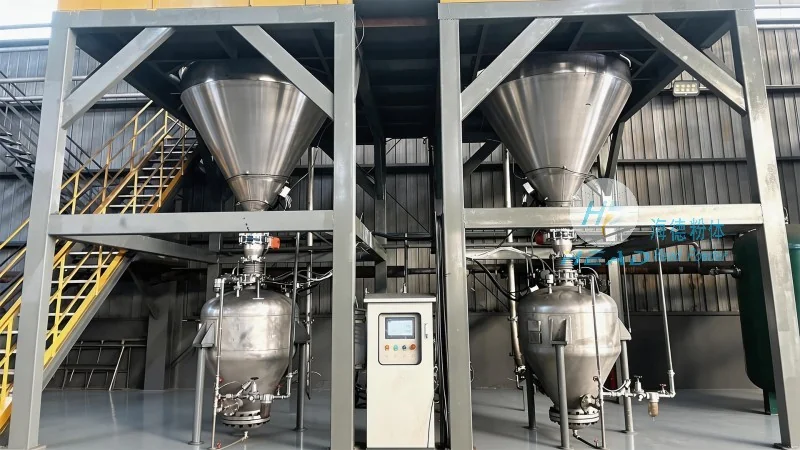
The control system is responsible for managing the operation of the pneumatic conveying system, ensuring that the airflow, material feed, and overall process are optimized. Modern systems often incorporate sensors and control panels that monitor parameters such as pressure, flow rate, and material level. These sensors provide real-time data that allows operators to adjust the system settings as needed, preventing issues like overloading or under-pressurization. The control system may also include safety features, such as pressure relief valves and emergency shut-off mechanisms, to protect the equipment and personnel from potential hazards.
Auxiliary equipment is essential for maintaining the cleanliness and efficiency of the pneumatic conveying system. Filters are used to remove dust and particles from the air stream, preventing them from entering the conveying line and causing blockages or damage to equipment. Cyclones are often employed as primary separation devices, using centrifugal force to separate the additive material from the air. The separated material is then collected in a hopper or bin, while the cleaned air is returned to the system or discharged. Dust collectors, such as baghouse or cartridge filters, are used for more thorough air purification, especially in applications where high levels of dust are present. These auxiliary components help to maintain the system's performance and extend the lifespan of the equipment.
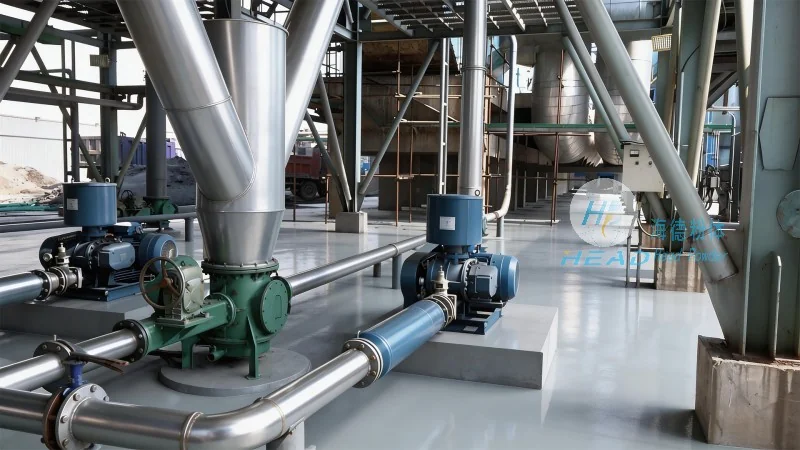
The successful operation of a pneumatic conveying system for cement additives depends on proper system design and integration. Factors such as the distance to be covered, the elevation change, and the material characteristics must be considered when selecting the appropriate components and system configuration. For example, a high-pressure system may be required for long-distance conveying, while a low-pressure system is suitable for short distances. The system design should also account for the potential for material degradation or caking, which can be mitigated through proper material handling and storage practices. Additionally, regular maintenance and inspection of the system components are essential to ensure long-term reliability and efficiency.
Shandong HeadPowder Engineering Co., Ltd., commonly known as HeadPowder, is a leading manufacturer and supplier of pneumatic conveying systems and related equipment for the cement industry. With its headquarters located in Shandong, China, the company specializes in designing and manufacturing customized solutions tailored to the specific needs of cement producers and additive manufacturers. HeadPowder's products are known for their high quality, durability, and efficiency, and the company has built a strong reputation for providing reliable and cost-effective solutions to its clients. The company's commitment to innovation and customer satisfaction has made it a trusted partner in the cement additive handling industry.

 Shandong Headpowder Engineering Co., Ltd.
 156-6277-7102(Manager Zhang)
  0531-83386006
  Zhangqiu District, Jinan City, Shandong Province, China
telephone
WeChatconsult
top