With more than 10‑year industry experience, Shandong Headpowder delivers full‑service pneumatic‑conveying systems and blowers, undertaking nationwide turn‑key powder‑handling projects.
When discussing bulk material pneumatic conveying systems, it's essential to understand the key components that make up such an efficient and versatile solution for material handling. The system's design and functionality rely on a combination of specialized equipment and engineering principles, all tailored to the specific needs of transporting dry or semi-dry bulk materials. For businesses in the material handling industry, especially those dealing with powders, granules, or other bulk solids, understanding these components is crucial for optimizing operations and ensuring reliable performance.
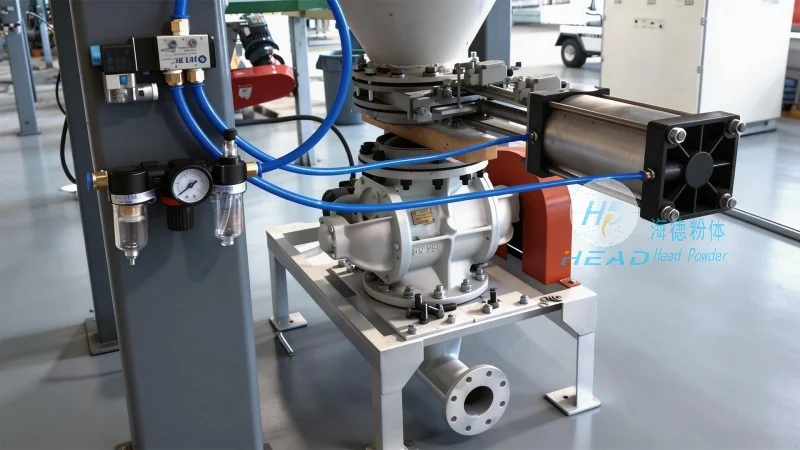
The fundamental components of a bulk material pneumatic conveying system typically include the material source, the conveying line, and the receiving hopper or destination. Each of these elements plays a critical role in the overall operation. The material source, such as a hopper or silo, holds the bulk material and provides a consistent feed to the system. This ensures that the material is introduced into the conveying line at a controlled rate, preventing blockages and maintaining system efficiency. The conveying line, often made of metal or flexible tubing, transports the material through the system using air pressure. The design of the line, including its diameter, length, and bends, is carefully engineered to minimize pressure drop and ensure smooth material flow. The receiving hopper or destination vessel collects the material at the end of the conveying process, providing a storage or processing point for the material.
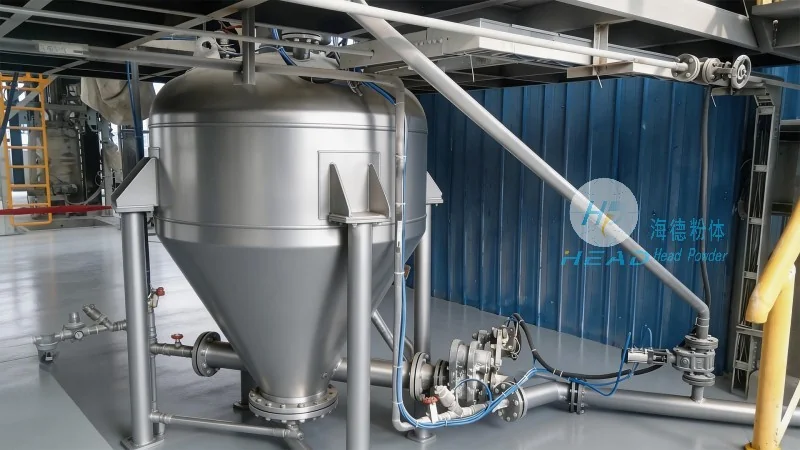
Within the pneumatic conveying system, several key pieces of equipment are essential for its operation. The air compressor is a critical component, as it generates the necessary air pressure to move the material through the system. The type of compressor, whether positive displacement or centrifugal, depends on the system's requirements, including the material's properties and the distance to be conveyed. The air filter and dryer are also vital, as they ensure that the air used in the system is clean and dry, preventing contamination of the material and reducing wear on the equipment. The material feeders, such as rotary valves or screw feeders, control the flow of material from the source into the conveying line. These feeders are designed to handle different material characteristics, including particle size, flowability, and moisture content, ensuring consistent and reliable material delivery. The control system, which may include sensors and valves, monitors and regulates the operation of the system, adjusting air pressure and material flow as needed to maintain optimal performance.
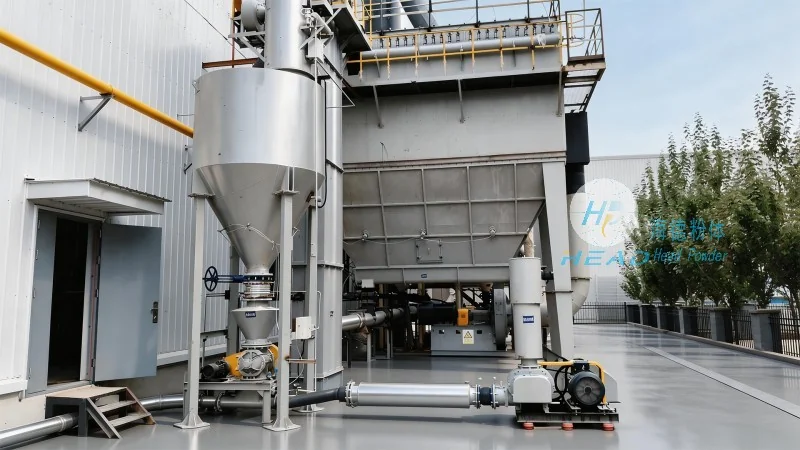
The integration of these components into a cohesive system requires careful planning and engineering. The system's design must account for factors such as the material's properties, the distance to be conveyed, and the required throughput. Engineers from companies like Shandong HeadPowder Engineering Co., Ltd. specialize in designing customized pneumatic conveying systems that meet the specific needs of their clients. By considering factors like material density, particle size distribution, and the presence of moisture, they can select the appropriate equipment and configure the system to achieve the desired performance. The system's layout, including the placement of hoppers, conveyors, and control panels, is also crucial for efficient operation and maintenance. Proper integration ensures that the system operates smoothly, with minimal downtime and maximum productivity.
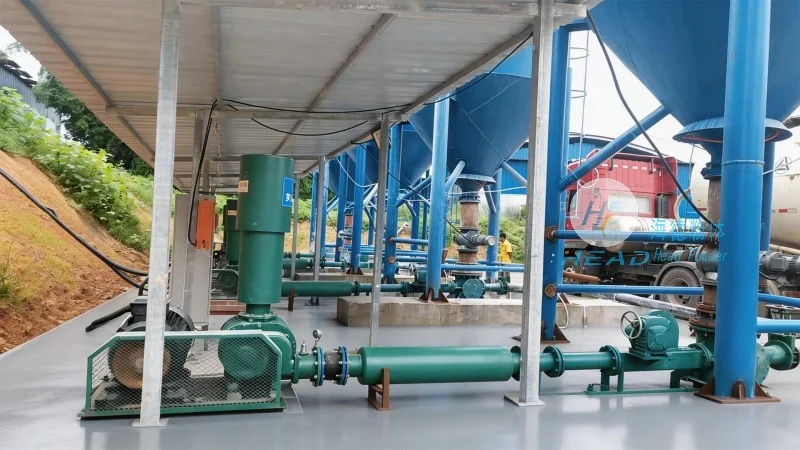
For businesses, understanding the components of a bulk material pneumatic conveying system offers several benefits. First, it allows for better maintenance and troubleshooting. By knowing the role of each component, operators can quickly identify and resolve issues, reducing downtime and increasing system reliability. Second, it enables optimization of system performance. By adjusting the settings of individual components, such as the air compressor or feeders, businesses can improve efficiency and reduce energy consumption. Third, it facilitates system upgrades and expansions. As business needs change, understanding the existing components helps in planning and implementing upgrades without disrupting operations. For companies like Shandong HeadPowder Engineering Co., Ltd., based in Shandong, China, this expertise is a key part of their service offering, helping clients achieve their material handling goals effectively.

 Shandong Headpowder Engineering Co., Ltd.
 156-6277-7102(Manager Zhang)
  0531-83386006
  Zhangqiu District, Jinan City, Shandong Province, China
telephone
WeChatconsult
top