With more than 10‑year industry experience, Shandong Headpowder delivers full‑service pneumatic‑conveying systems and blowers, undertaking nationwide turn‑key powder‑handling projects.
Shandong HeadPowder Engineering Co., Ltd., commonly known as headpowder, specializes in the design, manufacturing, and installation of advanced pneumatic conveying systems tailored for various industrial applications. With a focus on efficiency and reliability, the company has established itself as a leading provider in the field, particularly for equipment used in the handling of iron oxide and other bulk materials.
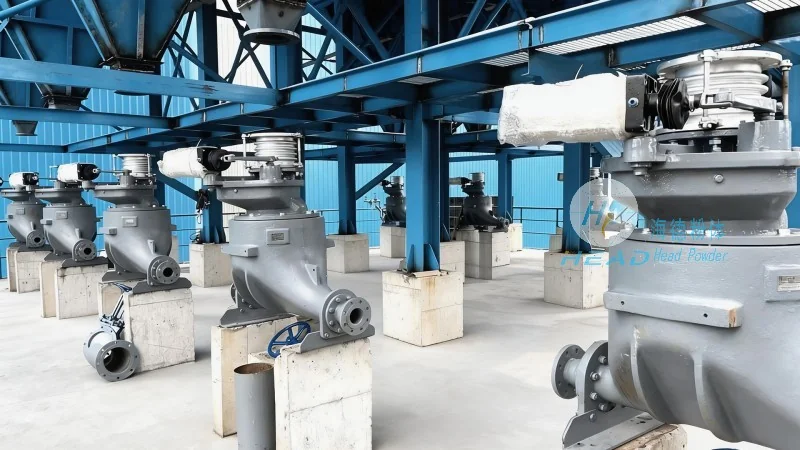
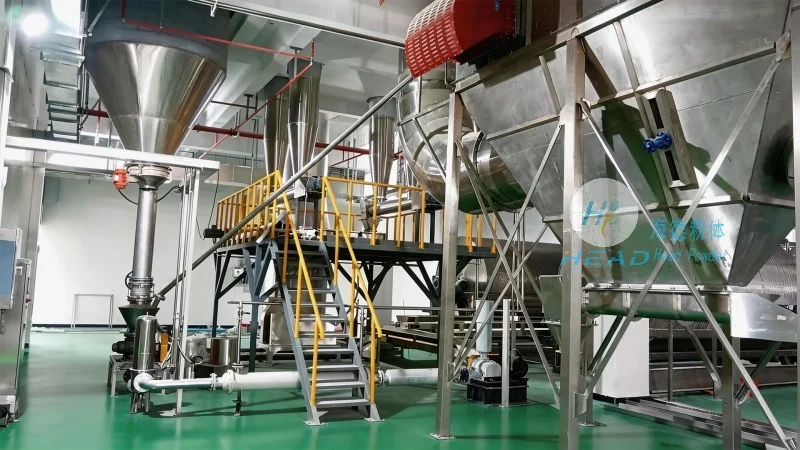
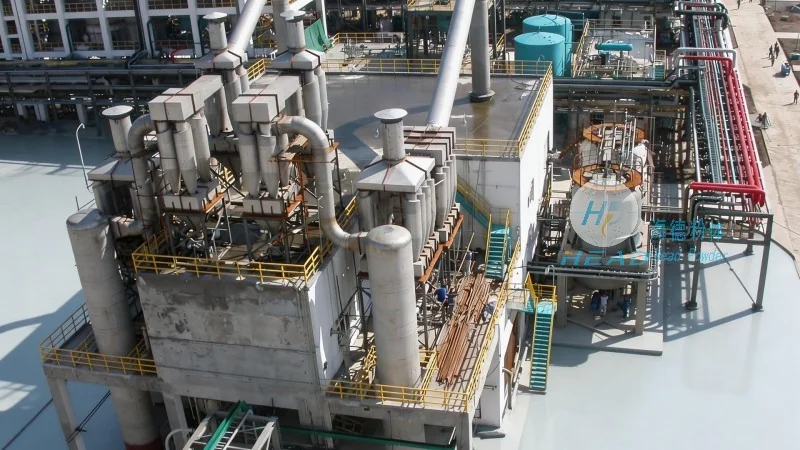
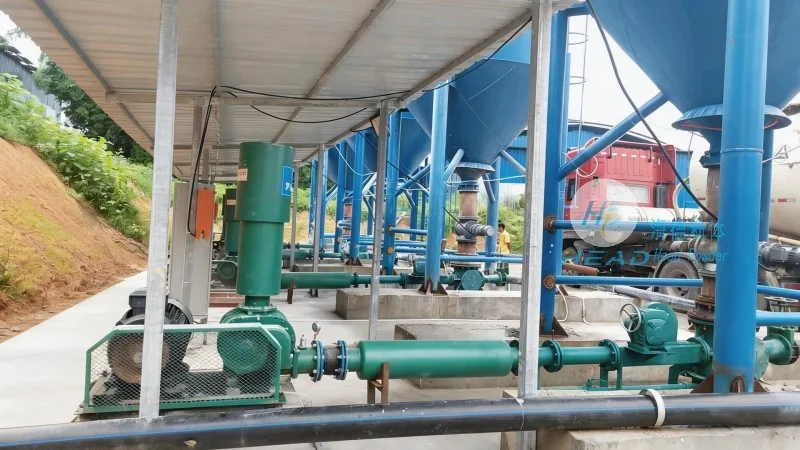
The operation of an iron oxide pneumatic conveying system is a meticulously orchestrated sequence of events that ensures the reliable transport of iron oxide from the source to the destination. The process initiates when the iron oxide is loaded into the storage hopper or silo, which is equipped with a feed mechanism to control the material flow. Subsequently, the system's control panel activates the air compressor, which is the heart of the conveying process. The compressor generates a steady stream of compressed air, typically at pressures ranging from 4 to 10 bar, depending on the system's design and the material's characteristics. As the compressed air enters the pipeline through the hopper, it creates a pressure differential that lifts the iron oxide particles, converting them into a fluidized state. The conveying velocity is carefully regulated by the system's control system, which monitors parameters such as pressure, flow rate, and particle size to prevent issues like blockages or material degradation. The pipeline may include bends, valves, and intermediate storage tanks to manage the flow and ensure smooth operation. At the receiving end, the material is discharged into a container or processing unit, where the air is separated from the iron oxide using a cyclone separator or filter. This separation process is crucial to maintain the purity of the iron oxide and prevent contamination. Regular maintenance, including checks on the air compressor's oil levels, filter cleanliness, and pipeline integrity, is performed to ensure the system operates efficiently and minimizes downtime. The entire operation is automated, with real-time monitoring and alerts to detect any deviations from optimal conditions, ensuring consistent performance and product quality.
The working principle of iron oxide pneumatic conveying equipment is rooted in the fundamental physics of fluidization and pneumatic transport. The system leverages the force of compressed air to suspend and move bulk materials, such as iron oxide, through a pipeline. The key components of the system work in concert to achieve this: the air compressor provides the necessary pressure and airflow, the hopper or storage silo holds the iron oxide, the conveying pipeline transports the material, and the discharge system delivers the material to the destination. The air compressor generates high-pressure air, which is directed into the pipeline via the hopper. As the air flows through the material, it creates a negative pressure environment that lifts the iron oxide particles, converting them into a fluidized state. The velocity of the air is critical; it must be sufficient to overcome the gravitational force acting on the particles but not so high as to cause excessive wear on the equipment or degrade the material's properties. The system may incorporate features like cyclone separators or filters at the receiving end to separate the air from the material, ensuring that the iron oxide is delivered in a clean and controlled manner. The entire process is automated and monitored, with sensors and control systems tracking parameters such as pressure, flow rate, and temperature to maintain optimal conditions. This ensures consistent performance, minimal material loss, and high product quality. The working principle is adaptable to various system designs, including positive pressure, negative pressure, and mixed flow systems, allowing for flexibility in handling different types of iron oxide and operational requirements.

 Shandong Headpowder Engineering Co., Ltd.
 156-6277-7102(Manager Zhang)
  0531-83386006
  Zhangqiu District, Jinan City, Shandong Province, China
telephone
WeChatconsult
top