

Operation Process and Working Principle of Lithium Hydroxide Pneumatic Conveying Equipment
Lithium hydroxide is a critical chemical compound widely used in various industries, including battery manufacturing, pharmaceuticals, and chemical synthesis. The efficient and safe transportation of lithium hydroxide is essential for industrial operations. Pneumatic conveying systems have emerged as a preferred method for handling this material due to their ability to transport powders in a closed system, minimizing dust exposure and ensuring product integrity. This article provides a detailed overview of the operation process and working principle of lithium hydroxide pneumatic conveying equipment, highlighting the key components, operational steps, and technical considerations involved. The equipment is designed and manufactured by Shandong HeadPowder Engineering Co., Ltd., a leading provider of industrial material handling solutions based in China.
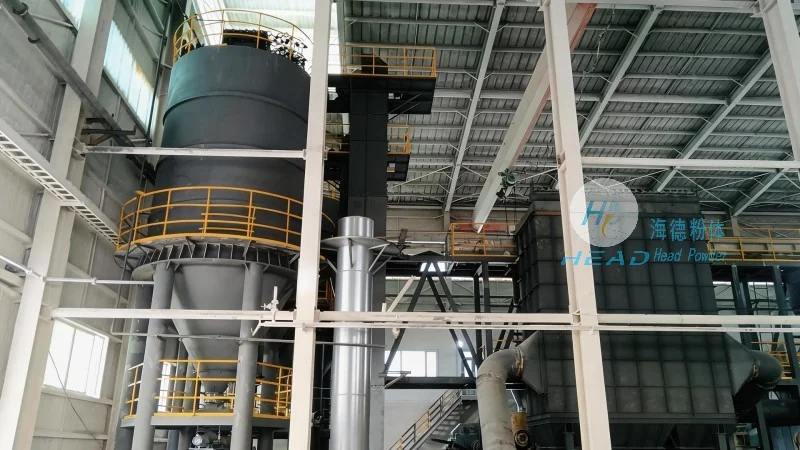
Key Components of Lithium Hydroxide Pneumatic Conveying Systems
The lithium hydroxide pneumatic conveying system typically consists of several core components that work in tandem to facilitate material transport. These components include a hopper for material storage, a rotary valve or feeder to control the flow of lithium hydroxide, a conveying pipeline, a venturi or airlock for creating the necessary pressure differential, and a dust collector or filter to capture any airborne particles. The hopper is designed to hold a sufficient quantity of lithium hydroxide, ensuring a continuous supply to the system. The rotary valve or feeder regulates the material discharge rate, preventing overloading or underflow. The conveying pipeline, often made of stainless steel or other corrosion-resistant materials, transports the material from the hopper to the discharge point. The venturi or airlock creates the pressure drop required to move the material through the pipeline, while the dust collector ensures compliance with environmental regulations and maintains air quality.
Operation Process of Lithium Hydroxide Pneumatic Conveying Equipment
The operation process of lithium hydroxide pneumatic conveying equipment involves several sequential steps that ensure smooth and efficient material transport. The process begins with the loading of lithium hydroxide into the hopper. Once the hopper is filled, the rotary valve or feeder starts to discharge the material at a controlled rate. Simultaneously, the air compressor or blower generates a high-pressure air stream that is introduced into the conveying pipeline. The air stream creates a negative pressure in the pipeline, drawing the lithium hydroxide particles into the flow. As the material is carried by the air stream, it travels through the pipeline to the discharge point, where it is collected in a receiving container. The system maintains a consistent air flow rate and pressure to ensure the material is conveyed without clogging or degradation. Regular monitoring of the system parameters, such as pressure, flow rate, and material level, is essential to detect any anomalies and prevent operational issues.
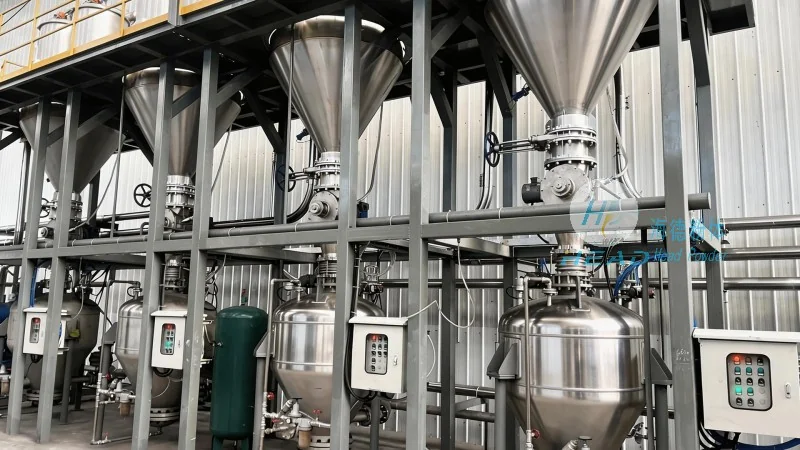
Working Principle of Lithium Hydroxide Pneumatic Conveying Equipment
The working principle of lithium hydroxide pneumatic conveying equipment is based on the principles of fluid dynamics and particle transport. The system operates by creating a pressure differential between the inlet and outlet of the conveying pipeline. The air compressor or blower supplies a high-velocity air stream that entrains the lithium hydroxide particles, forming a slurry or suspension. The air velocity is typically maintained above the minimum fluidization velocity to prevent particle settling and ensure continuous transport. The venturi or airlock component plays a crucial role in maintaining the pressure differential, as it creates a localized pressure drop that draws the material into the pipeline. The dust collector or filter at the discharge end captures any fine particles that may escape, preventing contamination and ensuring product purity. The entire system is designed to handle the specific properties of lithium hydroxide, such as its hygroscopic nature and potential for dust explosion, by incorporating appropriate safety features and material handling techniques.
Technical Considerations and Maintenance
When operating lithium hydroxide pneumatic conveying equipment, several technical considerations must be addressed to ensure optimal performance and longevity. These include material compatibility, as lithium hydroxide can be corrosive to certain materials, requiring the use of stainless steel or specialized coatings for the hopper, pipeline, and valves. The system must also be designed to handle the hygroscopic nature of lithium hydroxide, which can lead to moisture absorption and caking. Proper drying and moisture control measures are essential to prevent material degradation. Regular maintenance is critical to prevent system failures and ensure consistent performance. This includes cleaning the hopper and pipeline to remove accumulated material, inspecting the rotary valve and feeder for wear, and checking the air compressor and filter for efficiency. The dust collector must also be regularly cleaned to maintain its effectiveness in capturing airborne particles. By adhering to these maintenance practices, the system can operate reliably and efficiently for extended periods.
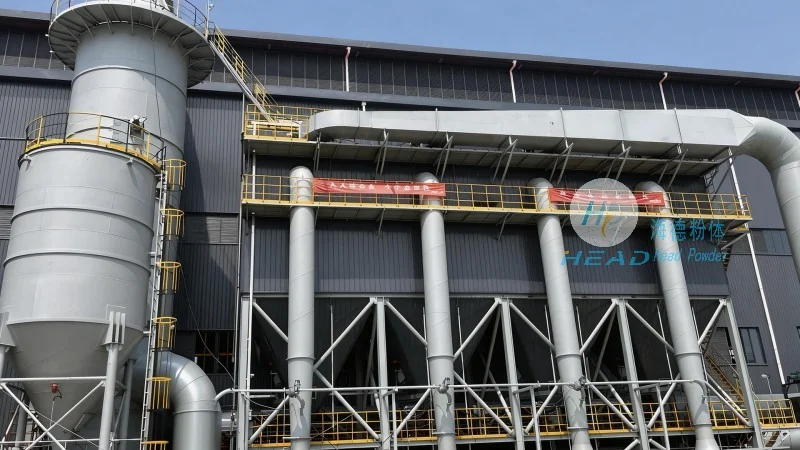
Applications and Benefits
Lithium hydroxide pneumatic conveying equipment is widely used in various industrial applications due to its advantages over traditional material handling methods. The primary benefits include the ability to transport lithium hydroxide in a closed system, reducing dust exposure and improving workplace safety. The system also minimizes product contamination, as the material is not exposed to the environment during transport. Additionally, pneumatic conveying systems can handle high volumes of material at a relatively low cost, making them an economical solution for large-scale operations. The equipment is particularly suitable for applications where the material needs to be transported over long distances or to multiple destinations, as the pipeline can be configured to distribute the material to different locations. The closed system also helps in controlling the material's temperature and moisture content, ensuring that the lithium hydroxide remains in its optimal state for subsequent processing. Overall, the use of lithium hydroxide pneumatic conveying equipment enhances operational efficiency, improves product quality, and reduces environmental impact.
Conclusion
In conclusion, lithium hydroxide pneumatic conveying equipment is a sophisticated and effective solution for the transportation of lithium hydroxide in industrial settings. The system's operation process and working principle are based on well-established fluid dynamics principles, ensuring reliable and efficient material transport. By understanding the key components, operational steps, and technical considerations, users can optimize the performance of the equipment and ensure compliance with safety and environmental regulations. The benefits of using pneumatic conveying systems, such as improved safety, product quality, and operational efficiency, make them a preferred choice for handling lithium hydroxide. As the demand for lithium hydroxide continues to grow, the importance of efficient material handling systems will only increase, making the lithium hydroxide pneumatic conveying equipment a critical component in modern industrial operations.