With more than 10‑year industry experience, Shandong Headpowder delivers full‑service pneumatic‑conveying systems and blowers, undertaking nationwide turn‑key powder‑handling projects.
HeadPowder, a leading manufacturer based in Shandong, China, specializes in the design and production of advanced pneumatic conveying systems for various industrial applications. This article provides a detailed overview of the operation process and working principle of their quartz sand powder pneumatic conveying equipment, highlighting its efficiency, reliability, and suitability for handling fine powders like quartz sand.
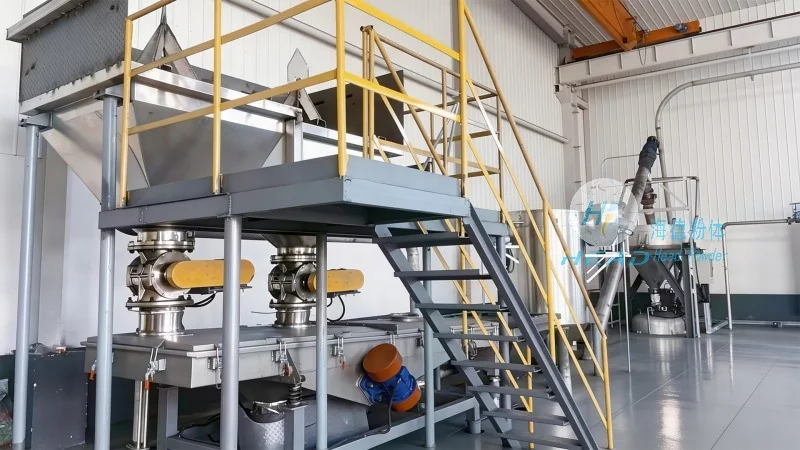
The quartz sand powder pneumatic conveying equipment is a specialized system engineered to transport dry, fine powders such as quartz sand through a pipeline using compressed air or other gas. It is widely used in industries including mining, construction, and chemical processing, where reliable and dust-free material handling is crucial. The system typically consists of several key components, including a hopper for material storage, a feeder to control the flow rate, a conveying pipeline, and a receiver for the discharged material. These components work in tandem to ensure smooth and continuous operation, minimizing downtime and maximizing productivity.
1. Hopper: The hopper is the primary storage vessel where quartz sand powder is loaded before being conveyed. It is designed with a sloped bottom to facilitate the flow of material into the feeder, ensuring consistent supply without clogging. The hopper may also include a venting system to maintain proper pressure and prevent dust accumulation.
2. Feeder: The feeder is responsible for controlling the flow rate of quartz sand powder from the hopper into the conveying pipeline. It can be a rotary valve, a screw feeder, or a vibrating feeder, depending on the specific requirements of the application. The feeder ensures that the material is discharged at a uniform rate, preventing overloading or underloading of the pipeline, which could lead to operational issues.
3. Conveying Pipeline: The pipeline is the main channel through which the quartz sand powder is transported. It is typically made of stainless steel or other corrosion-resistant materials to withstand the abrasive nature of quartz sand and the effects of compressed air. The pipeline is equipped with bends, elbows, and other fittings to direct the material flow and maintain the pressure required for efficient conveying.
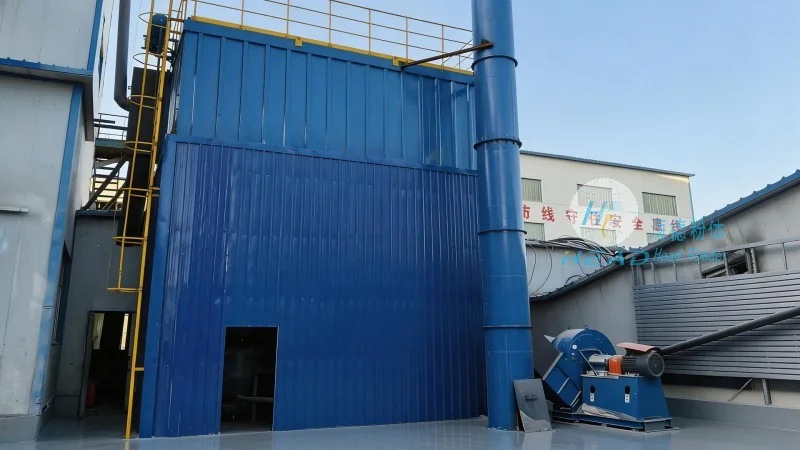
4. Receiver: The receiver is the terminal component where the conveyed quartz sand powder is deposited. It is designed to collect the material and may include a discharge valve to control the release of the product. The receiver is often equipped with a dust collection system to prevent dust emissions and maintain a clean working environment.
The operation of the quartz sand powder pneumatic conveying equipment follows a systematic sequence to ensure safe and efficient material transport. The process typically begins with the loading of quartz sand powder into the hopper. Once the hopper is filled, the feeder is activated to control the flow rate of the material. Simultaneously, the compressed air system is started, generating the necessary pressure to move the powder through the pipeline.
As the feeder discharges the quartz sand powder, the compressed air entrains the particles, creating a slurry-like mixture that travels through the pipeline. The air flow maintains the material in suspension, preventing it from settling or clogging the pipeline. The conveying process continues until the hopper is empty or the required amount of material has been transported. At this point, the feeder and air system are shut down, and the receiver is opened to discharge the conveyed material.
During operation, the system may include monitoring and control devices to ensure optimal performance. These devices can track parameters such as pressure, flow rate, and temperature, alerting operators to any deviations or issues that may affect the conveying process. Regular maintenance is also essential to keep the equipment in good working condition, extending its lifespan and ensuring consistent performance.
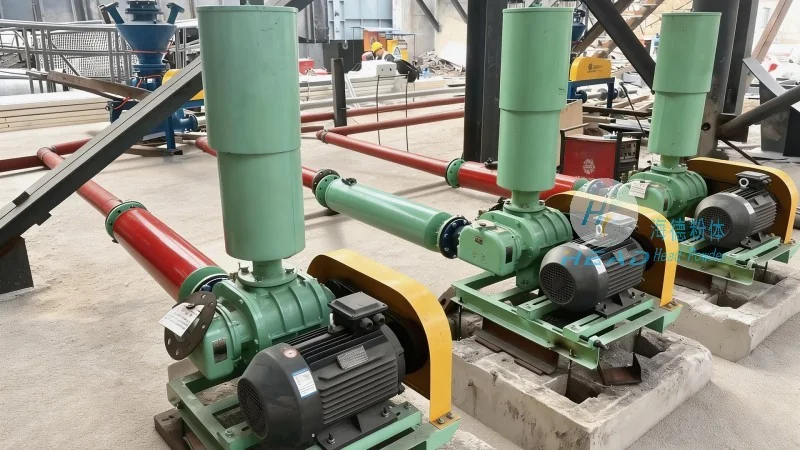
The working principle of the quartz sand powder pneumatic conveying equipment is based on the fundamental concept of using compressed air to transport dry powders. There are two main types of pneumatic conveying systems: positive pressure and negative pressure. The quartz sand powder system typically operates under positive pressure, where compressed air is introduced into the conveying pipeline, creating a pressure higher than the ambient air pressure.
In positive pressure systems, the compressed air is injected at the inlet of the pipeline, where it mixes with the quartz sand powder and creates a high-velocity flow. This flow carries the powder particles through the pipeline, maintaining them in suspension. The air and powder mixture then exits the pipeline at the receiver, where the air is separated from the powder and either vented to the atmosphere or recirculated back to the system.
The efficiency of the pneumatic conveying process depends on several factors, including the air velocity, the particle size and density of the quartz sand powder, and the length and diameter of the pipeline. Proper design and sizing of these components are critical to ensure that the system operates at its optimal capacity, minimizing energy consumption and maximizing material throughput.
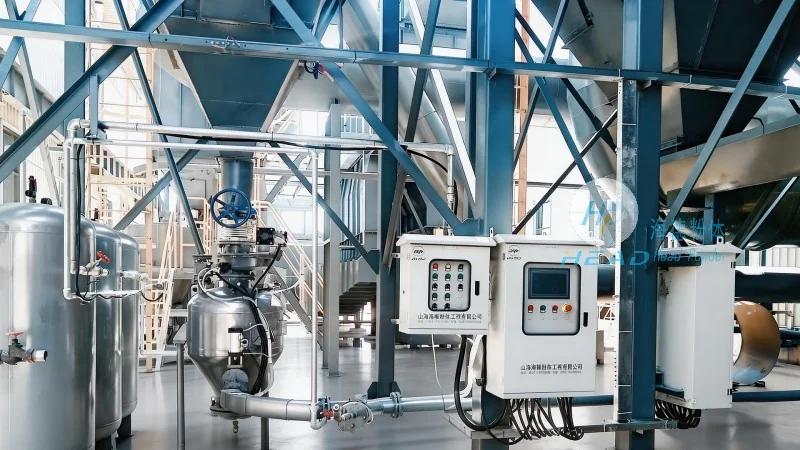
HeadPowder's quartz sand powder pneumatic conveying equipment offers several advantages over traditional material handling methods. One of the primary benefits is the ability to transport fine powders like quartz sand without the need for mechanical components that could cause clogging or wear. The system is also highly flexible, allowing for changes in the conveying route or capacity without major modifications. Additionally, the equipment is designed to minimize dust emissions, contributing to a safer and more environmentally friendly working environment.
The equipment's reliability and durability are further enhanced by the use of high-quality materials and robust construction. This ensures that the system can withstand the abrasive nature of quartz sand and the constant pressure and flow of the conveying process. The result is a long operational life and low maintenance costs, making it an economical choice for industrial applications.
The quartz sand powder pneumatic conveying equipment is suitable for a wide range of applications across various industries. In the mining industry, it is used to transport quartz sand from storage facilities to processing plants, ensuring a continuous supply of raw material. In the construction industry, it is employed to move quartz sand for concrete production, providing a consistent and dust-free material flow. The chemical processing industry also benefits from this equipment, as it can handle fine powders without contamination, maintaining product quality.
Overall, the quartz sand powder pneumatic conveying equipment from HeadPowder is a reliable and efficient solution for handling fine powders. Its advanced design and robust construction make it suitable for demanding industrial environments, ensuring consistent performance and minimal downtime. By understanding the operation process and working principle of this equipment, users can optimize its use and maximize its benefits in their respective applications.

 Shandong Headpowder Engineering Co., Ltd.
 156-6277-7102(Manager Zhang)
  0531-83386006
  Zhangqiu District, Jinan City, Shandong Province, China
telephone
WeChatconsult
top