With more than 10‑year industry experience, Shandong Headpowder delivers full‑service pneumatic‑conveying systems and blowers, undertaking nationwide turn‑key powder‑handling projects.
HeadPowder, a leading manufacturer based in Shandong, China, specializes in the design and production of advanced pneumatic conveying systems for zinc oxide powder. This article provides a detailed overview of the operation process and working principles of such equipment, highlighting its efficiency and reliability in material handling applications.
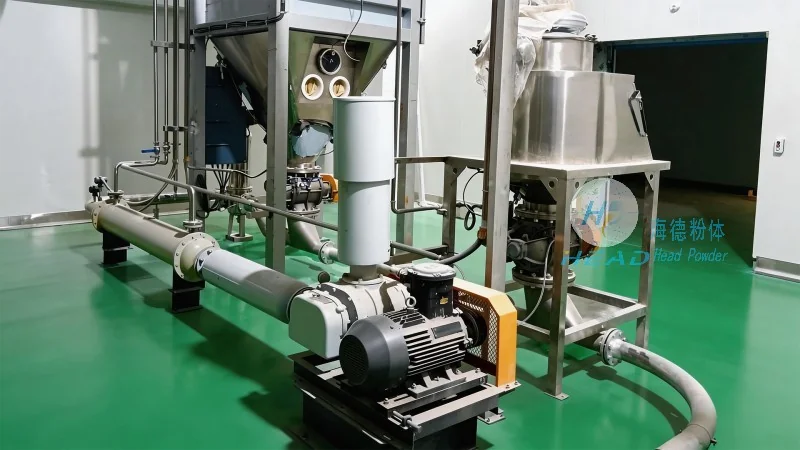
The core of a pneumatic conveying system is the use of compressed air to transport solid materials like zinc oxide powder through a pipeline. The system typically consists of a blower, a hopper for material storage, a conveying line, and a receiver for the discharged material. The process begins when the zinc oxide powder is fed into the hopper. As compressed air is introduced into the hopper, it creates a low-pressure zone that draws the powder into the conveying line. The air and powder mixture then travels through the pipeline under pressure, ensuring the material is transported efficiently without the need for mechanical components like belts or screws.
The operation of a zinc oxide powder pneumatic conveying system involves several key steps, each designed to ensure smooth and continuous material transport. First, the zinc oxide powder is loaded into the hopper. The system's control panel then activates the blower, which supplies compressed air at a specific pressure and flow rate. The compressed air enters the hopper, creating a pressure differential that lifts the powder and draws it into the conveying line. The mixture of air and powder moves through the pipeline, with the air providing the necessary kinetic energy to propel the material. At the receiving end, the air is separated from the powder, often using a cyclone separator or a filter, and the purified air is discharged back into the system or released to the atmosphere. The separated zinc oxide powder is collected in the receiver, ready for further processing or packaging.
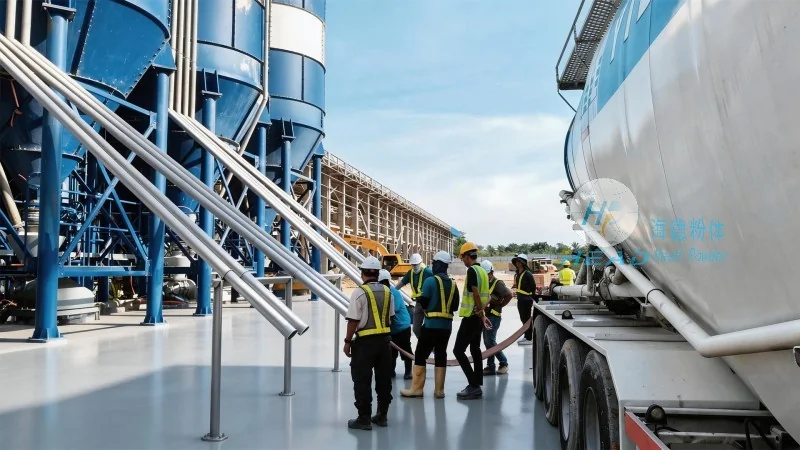
Several critical components work together to ensure the efficient operation of the pneumatic conveying system. The blower is the primary source of compressed air, providing the necessary pressure to move the material. The hopper serves as a storage vessel, allowing for continuous feeding of the zinc oxide powder and maintaining a consistent material level. The conveying line, usually made of stainless steel or other corrosion-resistant materials, is designed to withstand the pressure and abrasion from the powder. The receiver is responsible for collecting the discharged material and may include features like a dust collection system to prevent environmental contamination. Additionally, control valves and sensors are used to monitor and regulate the system's operation, ensuring optimal performance and safety.
Pneumatic conveying systems offer several advantages over traditional mechanical conveying methods for zinc oxide powder. One of the main benefits is the ability to handle fine or dusty materials without the risk of clogging or blockages, which can occur with screw conveyors or belt systems. The system also provides a closed-loop operation, minimizing dust emissions and improving workplace safety. Additionally, pneumatic conveying can be more energy-efficient in certain applications, as the compressed air can be recycled and reused, reducing overall energy consumption. The flexibility of the system allows for easy integration with existing production lines and can be adjusted to handle varying material flow rates, making it suitable for both small-scale and large-scale operations.
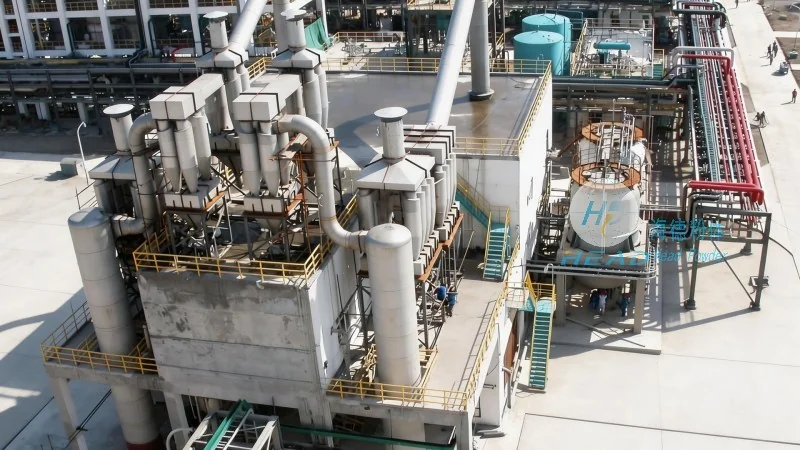
To ensure the long-term performance and reliability of the pneumatic conveying system, regular maintenance is essential. This includes checking the blower for proper air pressure and flow, inspecting the hopper and conveying line for signs of wear or blockage, and cleaning the receiver and dust collection system regularly. The system's control panel should be monitored for any abnormal readings or alerts, and any issues should be addressed promptly to prevent downtime. Additionally, the material properties of the zinc oxide powder, such as its particle size and moisture content, can affect the system's performance. Proper material handling and storage practices, such as keeping the powder dry and free from contaminants, can help maintain the system's efficiency and extend its lifespan.
HeadPowder's pneumatic conveying equipment for zinc oxide powder is a reliable and efficient solution for material handling in various industrial applications. By understanding the operation process and working principles of the system, users can optimize its performance and ensure smooth operation. With proper maintenance and operational considerations, the system can provide consistent and safe transport of zinc oxide powder, contributing to the overall productivity and success of the production process.

 Shandong Headpowder Engineering Co., Ltd.
 156-6277-7102(Manager Zhang)
  0531-83386006
  Zhangqiu District, Jinan City, Shandong Province, China
telephone
WeChatconsult
top