With more than 10‑year industry experience, Shandong Headpowder delivers full‑service pneumatic‑conveying systems and blowers, undertaking nationwide turn‑key powder‑handling projects.
Asbestos powder, a material widely used in various industrial applications, requires efficient and reliable handling systems to ensure safe and effective transportation. The pneumatic conveying equipment designed by Shandong HeadPowder Engineering Co., Ltd. addresses these needs through a sophisticated system that combines air flow, pressure, and specialized components to transport asbestos powder from source to destination. This equipment is engineered to maintain the integrity of the material while ensuring operational safety and efficiency.
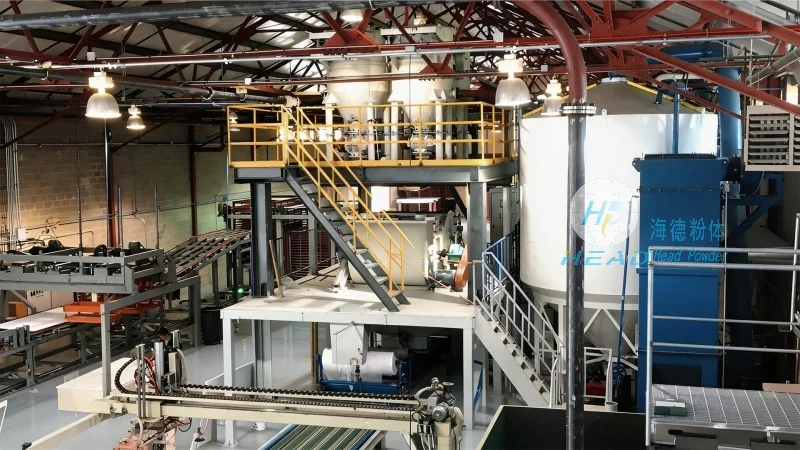
The pneumatic conveying system for asbestos powder typically consists of several critical components, each playing a vital role in the overall operation. The primary components include a material hopper or feeder, a conveying line (often with bends and elbows), a pressure vessel or receiver, and a control system. The material hopper is responsible for storing and feeding the asbestos powder into the system, ensuring a consistent flow rate. The conveying line, usually made of materials resistant to abrasion and corrosion, transports the powder through the system using air pressure. The pressure vessel or receiver collects the material at the end of the conveying line, allowing for further processing or storage. The control system monitors and regulates the air pressure, flow rate, and material feed, ensuring optimal performance and preventing system failures.
The operation of the asbestos powder pneumatic conveying equipment follows a systematic process that involves several stages. Initially, the asbestos powder is fed from the hopper into the conveying line. Simultaneously, compressed air is introduced into the system, creating a pressure differential that propels the powder particles through the line. The air flow, combined with the powder's density and particle size, determines the conveying velocity and efficiency. As the powder travels through the system, it may encounter bends or changes in direction, which are managed by the design of the conveying line and the use of appropriate air pressure to maintain flow continuity. The pressure vessel at the end of the line collects the powder, and the air is either filtered and recycled or released, depending on the system configuration. This process ensures that the asbestos powder is transported without the need for mechanical contact, reducing the risk of contamination and material degradation.
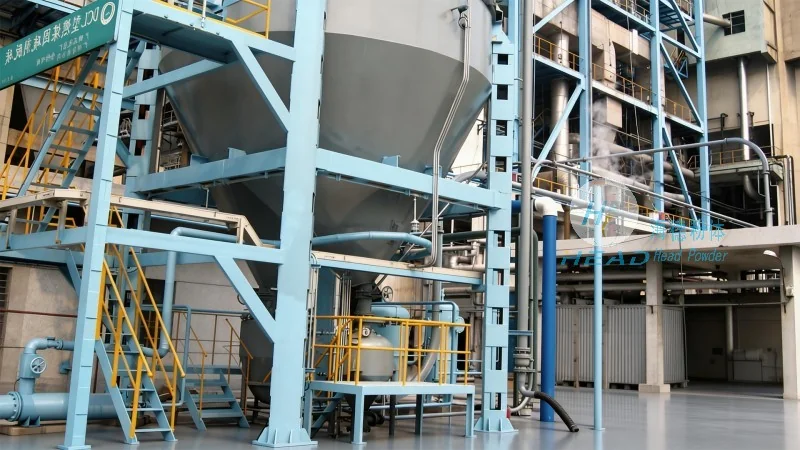
The operation of the pneumatic conveying equipment for asbestos powder can be broken down into several key steps. First, the system is prepared by ensuring that the material hopper is filled with asbestos powder and that the compressed air supply is activated. The control system then adjusts the air pressure to the optimal level for the specific powder characteristics and conveying distance. Next, the material feed is initiated, allowing the powder to enter the conveying line. As the powder travels through the system, the air pressure maintains the flow, and the powder is transported to the receiver. The receiver then accumulates the material, and the system continues to operate until the hopper is emptied or the conveying task is completed. The control system continuously monitors parameters such as pressure, flow rate, and material level, making adjustments as needed to maintain stable operation. This step-by-step process ensures that the conveying operation is efficient, reliable, and safe, minimizing downtime and maximizing productivity.
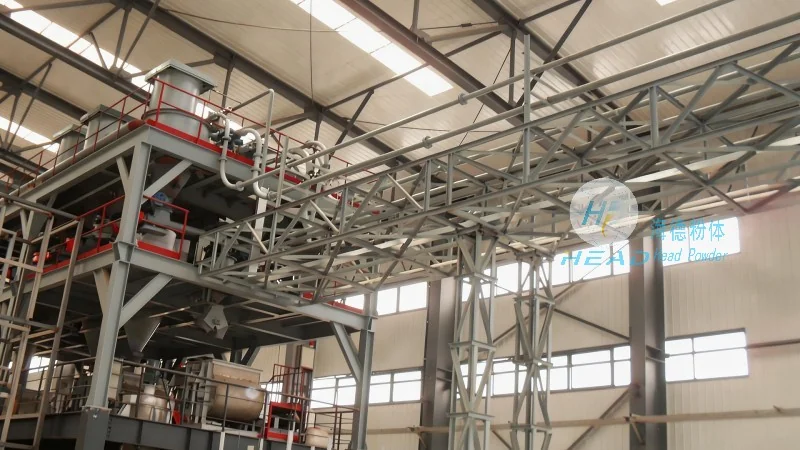
Compared to traditional mechanical conveying methods, the pneumatic conveying system offers several advantages for handling asbestos powder. One of the primary benefits is the elimination of mechanical contact between the powder and the conveying components, which reduces the risk of contamination and material degradation. The system also provides a more hygienic and controlled environment, which is crucial for materials like asbestos that require strict handling protocols. Additionally, pneumatic conveying allows for flexible system design, enabling the equipment to be adapted to various conveying distances and layouts. The use of compressed air also provides a uniform flow rate, ensuring consistent material delivery to the receiver. Furthermore, the system is relatively easy to maintain and clean, as the components are designed to be accessible and removable for inspection and maintenance. These advantages make the pneumatic conveying equipment an ideal solution for industrial applications requiring efficient and safe handling of asbestos powder.
The asbestos powder pneumatic conveying equipment developed by Shandong HeadPowder Engineering Co., Ltd. is widely used in various industrial sectors where asbestos powder is a key component. For example, in the construction industry, the equipment is used to transport asbestos powder for roofing and insulation applications. In the manufacturing sector, it is employed in the production of asbestos-based products, such as brake linings and gaskets. The equipment is also utilized in the mining and processing of asbestos, where it is necessary to move the material from processing plants to storage facilities or for further processing. In each of these applications, the equipment ensures that the asbestos powder is transported safely and efficiently, adhering to industry standards and regulations. The flexibility and reliability of the system make it suitable for a wide range of industrial use cases, providing a cost-effective solution for material handling in asbestos-related operations.

 Shandong Headpowder Engineering Co., Ltd.
 156-6277-7102(Manager Zhang)
  0531-83386006
  Zhangqiu District, Jinan City, Shandong Province, China
telephone
WeChatconsult
top