

Operation Process and Working Principle of Cement Dry Ash Pneumatic Conveying Equipment
For industrial applications involving the efficient and safe transport of cement dry ash, pneumatic conveying systems have become a cornerstone technology. This article delves into the operation process and working principle of cement dry ash pneumatic conveying equipment, highlighting its key components, operational steps, and the underlying physics that enable reliable material transport. The information is presented by Shandong HeadPowder Engineering Co., Ltd., a leading manufacturer based in Shandong, China.
Key Components and Their Roles
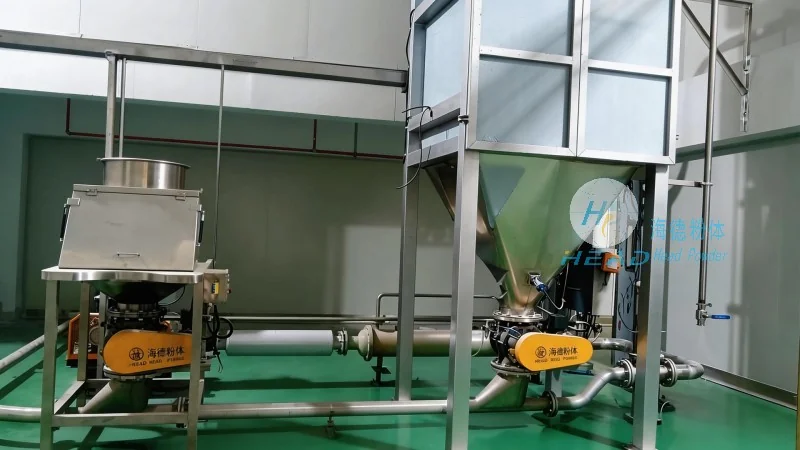
The cement dry ash pneumatic conveying system consists of several critical components, each playing a vital role in the overall operation. These include the material hopper, which serves as the storage and feeding unit; the air compressor or blower, responsible for generating the necessary air pressure; the conveying pipeline, which transports the material; the dust separator, which cleans the air and recovers the material; and the discharge hopper, where the material is collected after transport. Each component is designed to work in harmony to ensure efficient and clean material handling.
The Operation Process of the Equipment
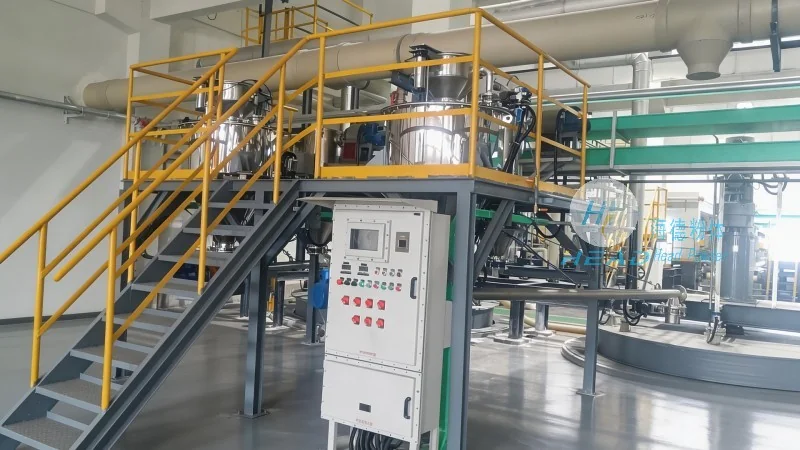
The operation of the cement dry ash pneumatic conveying equipment typically follows a systematic sequence. First, the cement dry ash is fed into the material hopper from the storage silo. The air compressor then starts and generates high-pressure air, which is introduced into the conveying pipeline. The air flow creates a negative pressure or positive pressure environment, depending on the system design, to draw the material from the hopper into the pipeline. As the material is entrained by the air stream, it travels through the pipeline to the discharge hopper at the receiving end. The air and material mixture then enters the dust separator, where the air is filtered and the material is separated and returned to the discharge hopper. The cleaned air is then released into the environment or recirculated if necessary. This cycle repeats continuously, ensuring a steady flow of cement dry ash between the source and destination points.
Working Principle Explained
The working principle of the cement dry ash pneumatic conveying equipment is based on the fundamental principles of fluid dynamics and particle transport. The core concept is the use of air as a medium to transport solid particles. In a positive pressure system, the air compressor pushes air into the pipeline, creating a pressure higher than the ambient air, which forces the material to move along with the air. In a negative pressure system, the air is drawn out of the pipeline, creating a vacuum that pulls the material into the pipeline. The velocity of the air stream is critical; it must be sufficient to overcome the gravitational force acting on the particles and any frictional forces within the pipeline. The air velocity is typically maintained at a level that ensures the particles remain suspended in the air stream, preventing settling or blockages. The dust separator works on the principle of centrifugal force, where the air stream is directed into a cyclone or other separation device, causing the heavier particles to be forced to the walls and collected, while the lighter air is discharged or recirculated.
Technical Advantages and Applications
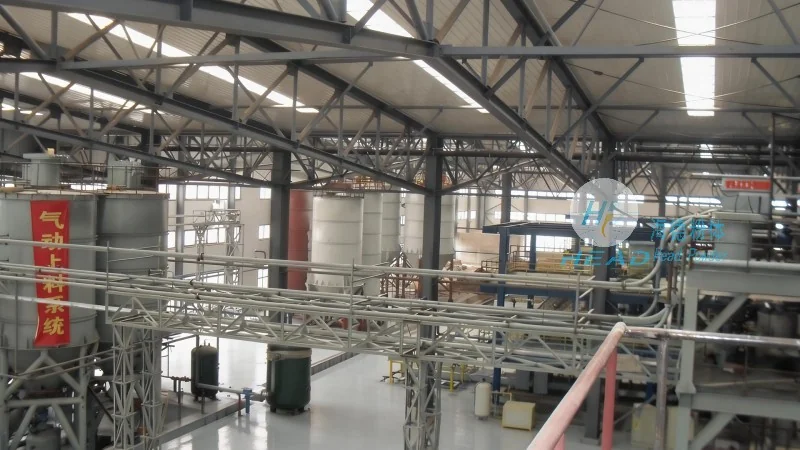
Cement dry ash pneumatic conveying equipment offers several technical advantages that make it an ideal solution for industrial material handling. These include high transport efficiency, as the system can move large volumes of material over long distances with minimal energy consumption compared to traditional methods like belt conveyors or trucks. The equipment also provides a clean and dust-free operation, reducing the risk of contamination and improving workplace safety. Additionally, the system is flexible and can be easily integrated into existing industrial setups, allowing for modular expansion as production needs change. The applications of this equipment are widespread, including the transport of cement dry ash from storage silos to production lines, from one processing facility to another, or for bulk material handling in construction and manufacturing industries. The reliability and efficiency of the system make it a preferred choice for companies seeking to optimize their material handling processes.