With more than 10‑year industry experience, Shandong Headpowder delivers full‑service pneumatic‑conveying systems and blowers, undertaking nationwide turn‑key powder‑handling projects.
Understanding the operation process and working principle of powder coating pneumatic conveying equipment is crucial for optimizing material handling in industrial settings. This equipment, designed by Shandong HeadPowder Engineering Co., Ltd., a leading manufacturer based in China, plays a vital role in efficiently transporting powder coatings from storage to processing areas. The following detailed analysis covers the key aspects of how this equipment functions, its operational steps, and the underlying principles that enable its effective performance.
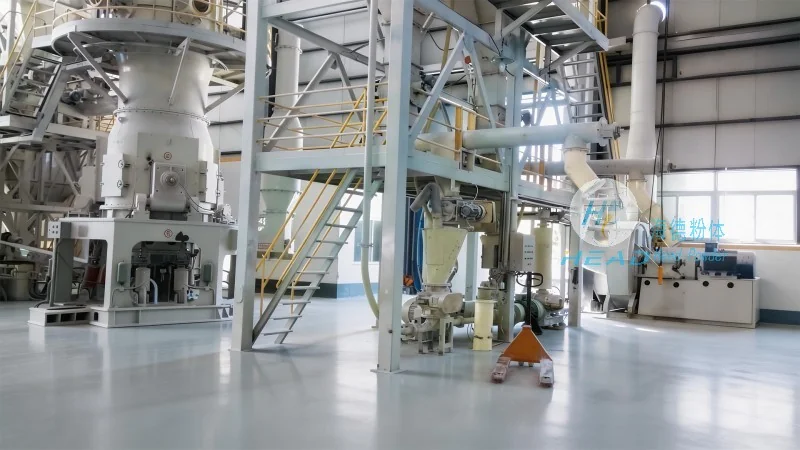
The powder coating pneumatic conveying system typically consists of several critical components, each playing a specific role in the overall operation. The primary components include the material feeder, which ensures a consistent and controlled flow of powder from the storage hopper; the air compressor or blower, which generates the necessary air pressure to move the powder; the conveying pipeline, which transports the powder from the feeder to the destination; and the control system, which regulates the air flow and pressure to maintain optimal conveying conditions. Additionally, the system may include filters, cyclones, and dust collection units to ensure environmental compliance and product purity.
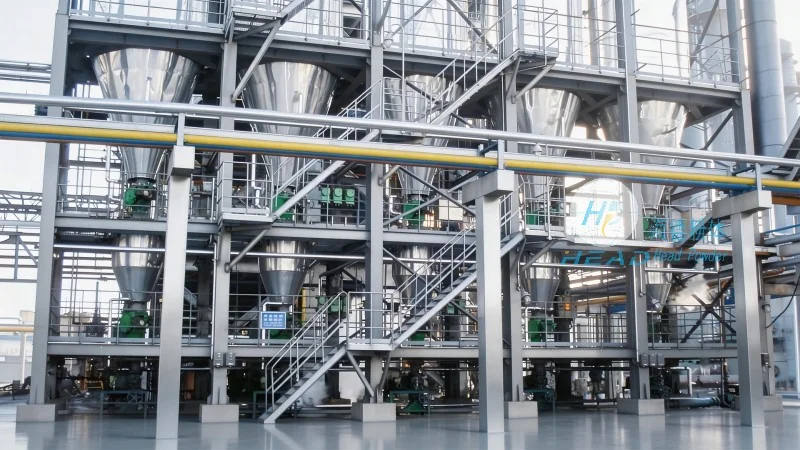
The operation of the powder coating pneumatic conveying equipment begins with the loading of powder into the storage hopper. The material feeder then starts, feeding the powder into the conveying pipeline at a controlled rate. Simultaneously, the air compressor generates compressed air, which is introduced into the pipeline. The air and powder mixture travels through the pipeline under the pressure created by the compressor. At the destination point, the powder is separated from the air using a cyclone or other separation device, and the powder is collected in the receiving container. The air, now containing fine powder particles, is directed to a filter system for purification before being released or recirculated. The entire process is monitored by the control system, which adjusts parameters such as air pressure and feed rate to maintain stable operation and prevent blockages or inefficiencies. The system may also include a pressure relief valve to protect against overpressure and a flow meter to monitor the air flow rate, ensuring that the conveying process remains within safe and efficient operating limits.
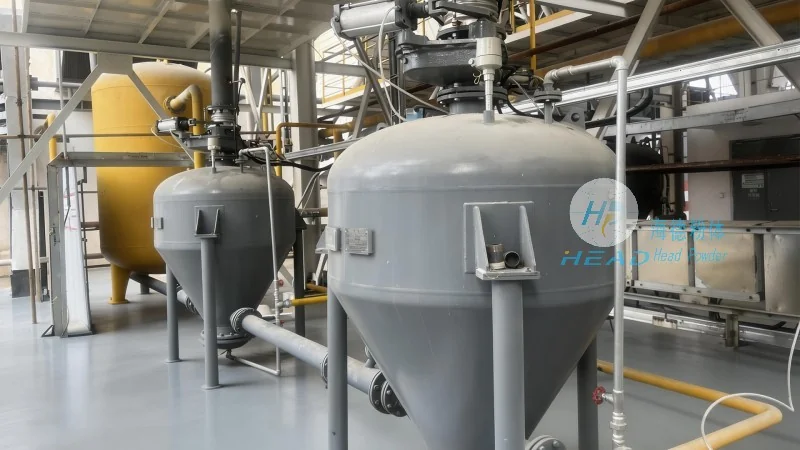
The working principle of powder coating pneumatic conveying equipment is based on the fundamental concept of transporting solid particles using a gas stream. There are two main types of pneumatic conveying systems: positive pressure and negative pressure. In positive pressure systems, the air compressor supplies compressed air to the entire pipeline, creating a pressure higher than the ambient air pressure. This pressure forces the powder and air mixture through the pipeline to the destination. In negative pressure systems, the air is drawn from the pipeline using a vacuum pump, creating a lower pressure than the ambient air, which pulls the powder and air mixture towards the vacuum source. For powder coating applications, positive pressure systems are more commonly used due to their ability to handle abrasive powders and provide better control over the conveying process. The key to efficient operation lies in maintaining a consistent air-to-powder ratio, which ensures that the powder particles are fully suspended in the air stream and transported without settling or clogging the pipeline.
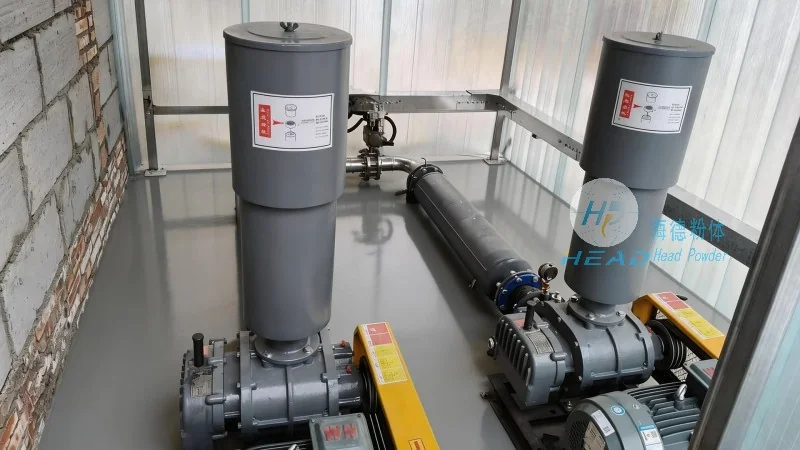
Powder coating pneumatic conveying equipment offers numerous benefits for industrial applications, particularly in the manufacturing of coatings, paints, and related products. The primary advantages include high efficiency in material handling, reduced labor costs, and improved safety compared to manual handling methods. The equipment can handle large volumes of powder with minimal downtime, making it ideal for high-production environments. Additionally, the enclosed system helps to prevent dust contamination and environmental pollution, ensuring compliance with regulatory standards. The applications of this equipment span various industries, including automotive, electronics, and furniture manufacturing, where precise and consistent powder coating is required for quality products.

 Shandong Headpowder Engineering Co., Ltd.
 156-6277-7102(Manager Zhang)
  0531-83386006
  Zhangqiu District, Jinan City, Shandong Province, China
telephone
WeChatconsult
top