With more than 10‑year industry experience, Shandong Headpowder delivers full‑service pneumatic‑conveying systems and blowers, undertaking nationwide turn‑key powder‑handling projects.
Reduction iron powder is a critical material in various industrial applications, including steelmaking, powder metallurgy, and chemical processing. The efficient and reliable transport of this fine powder is essential to maintain production efficiency and product quality. Pneumatic conveying systems, particularly those designed for reduction iron powder, offer a solution that minimizes material degradation, reduces contamination risks, and ensures consistent flow rates. This article provides a detailed overview of the operation process and working principle of reduction iron powder pneumatic conveying equipment, highlighting the key components, operational steps, and technical considerations.
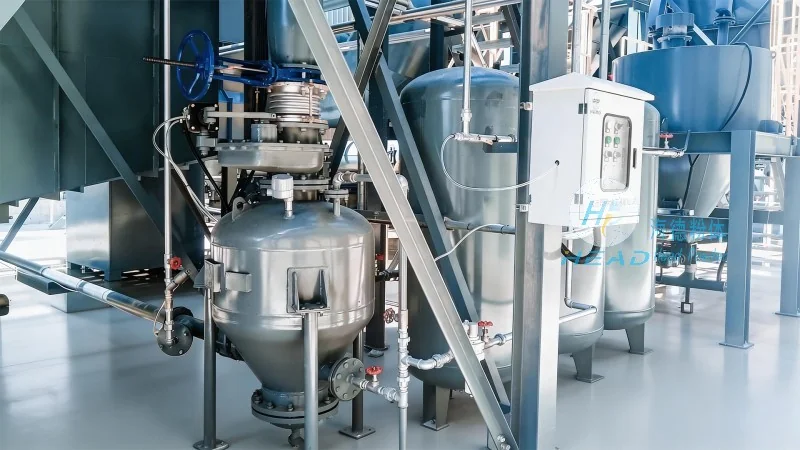
HeadPowder, a leading manufacturer in the field of powder handling and conveying systems, specializes in providing customized solutions for industrial material transport. With a strong focus on innovation and quality, the company has established itself as a trusted partner for businesses requiring advanced pneumatic conveying equipment. HeadPowder's expertise lies in designing and manufacturing systems that meet the unique demands of various industries, ensuring optimal performance and durability. The company's headquarters is located in Shandong, China, where its team of engineers and technicians work tirelessly to develop cutting-edge solutions for its global clientele.
The reduction iron powder pneumatic conveying system consists of several critical components that work in tandem to achieve efficient material transport. These components include the hopper or storage silo, which holds the reduction iron powder; the air compressor or blower, which generates the necessary air pressure; the conveying line, typically made of stainless steel or other corrosion-resistant materials to prevent material contamination; and the control system, which regulates the flow of air and material. Additionally, the system may include accessories such as filters, cyclones, and dust collectors to ensure clean and safe operation. Each component plays a vital role in the overall functionality of the system, and their proper integration is crucial for optimal performance.
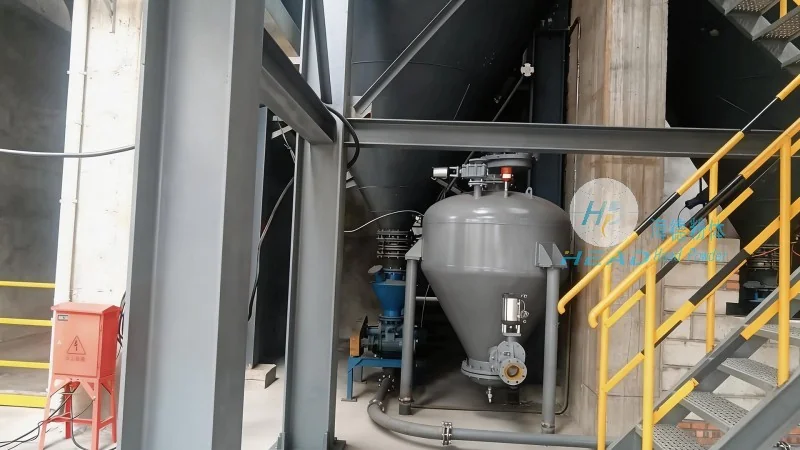
The operation of the reduction iron powder pneumatic conveying equipment follows a systematic process that ensures smooth and continuous material transport. The process begins with the loading of reduction iron powder into the hopper or storage silo. The powder is then drawn into the conveying line by the air compressor, which creates a pressure differential that propels the material forward. As the powder travels through the conveying line, it is mixed with the air stream, forming a slurry-like mixture. The mixture then passes through the control system, which adjusts the air flow rate to maintain a consistent material velocity. The material is subsequently discharged into the receiving container or processing unit at the destination end. Throughout the process, the control system monitors key parameters such as pressure, flow rate, and temperature to ensure that the system operates within safe and efficient limits. Regular maintenance and monitoring are essential to prevent system downtime and ensure long-term reliability.
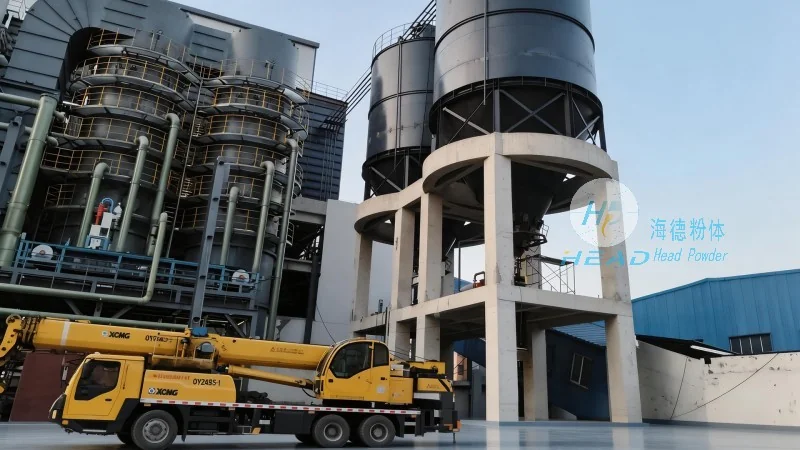
The working principle of the reduction iron powder pneumatic conveying system is based on the principles of fluid dynamics and particle transport. The system utilizes compressed air to create a pressure gradient that moves the fine powder particles through the conveying line. The air compressor generates high-pressure air, which is then introduced into the hopper or storage silo. As the air flows through the powder bed, it lifts the particles and carries them along the conveying line. The velocity of the air stream is carefully controlled to ensure that the powder particles are fully entrained and transported without causing excessive wear or degradation. The system may employ different conveying modes, such as dilute phase or dense phase, depending on the specific requirements of the application. Dilute phase conveying uses lower air velocities and higher air-to-material ratios, while dense phase conveying uses higher air velocities and lower air-to-material ratios to achieve higher material transport efficiency. The choice of conveying mode depends on factors such as the powder's characteristics, the distance to be covered, and the desired flow rate.
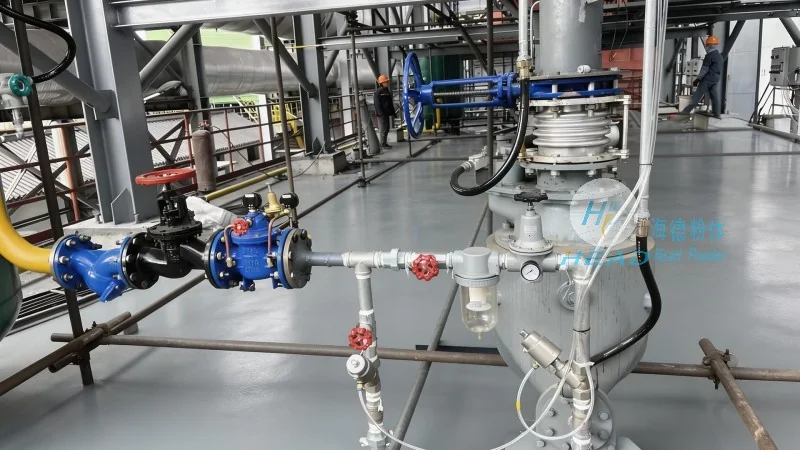
When operating reduction iron powder pneumatic conveying equipment, several technical considerations must be taken into account to ensure optimal performance and longevity. First, the material's properties, such as particle size, density, and moisture content, significantly impact the system's efficiency. Fine particles may require higher air velocities to prevent clogging, while larger particles may need denser phase conveying to maintain flow. Second, the system's design must consider the risk of material degradation, such as oxidation or agglomeration, which can affect the powder's quality. Proper material handling and storage are essential to minimize these risks. Third, regular maintenance of the air compressor, conveying line, and control system is crucial to prevent breakdowns and ensure consistent performance. This includes cleaning filters, checking for leaks, and inspecting for wear and tear. Additionally, monitoring the system's performance parameters, such as pressure drop and flow rate, can help identify potential issues before they become major problems. By following these best practices, users can maximize the efficiency and lifespan of their reduction iron powder pneumatic conveying equipment.
Reduction iron powder pneumatic conveying equipment is widely used in various industrial applications where the transport of fine powders is critical. Some common applications include steelmaking, where reduction iron powder is used as a raw material for producing high-quality steel; powder metallurgy, where the powder is used to manufacture metal parts through sintering; and chemical processing, where the powder is used as a catalyst or reactant. The benefits of using pneumatic conveying systems for reduction iron powder include improved material handling efficiency, reduced labor costs, minimized material contamination, and enhanced product quality. Additionally, the system's ability to transport materials over long distances without the need for intermediate storage or handling reduces the risk of material loss and improves overall production throughput. The flexibility of pneumatic conveying systems also allows for easy integration with existing production lines, making them a cost-effective solution for many industrial applications.

 Shandong Headpowder Engineering Co., Ltd.
 156-6277-7102(Manager Zhang)
  0531-83386006
  Zhangqiu District, Jinan City, Shandong Province, China
telephone
WeChatconsult
top