With more than 10‑year industry experience, Shandong Headpowder delivers full‑service pneumatic‑conveying systems and blowers, undertaking nationwide turn‑key powder‑handling projects.
HeadPowder, a leading engineering firm based in Shandong, China, specializes in the design, manufacturing, and installation of advanced pneumatic conveying systems for cement and aggregate materials. This article provides a detailed overview of the operation process and working principles of such systems, highlighting their efficiency and reliability in material handling applications.
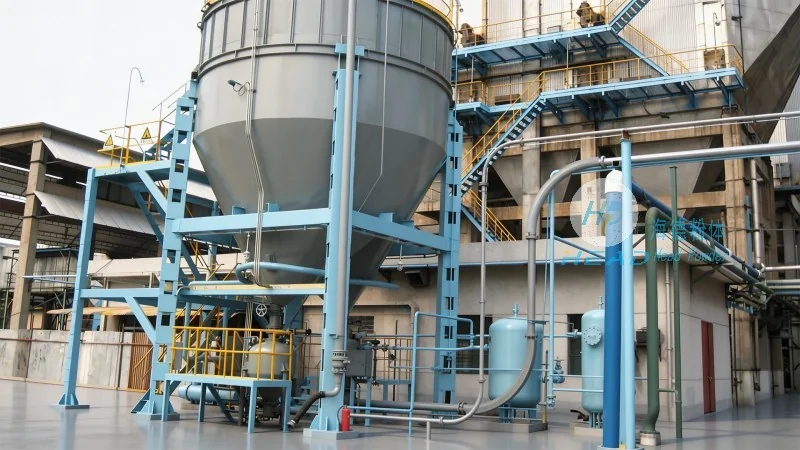
Pneumatic conveying systems are widely used in the cement and construction industries to transport bulk materials like cement, sand, gravel, and other aggregates from one location to another. These systems utilize air or gas as the conveying medium, enabling the movement of materials through pipelines without the need for mechanical components like belts or buckets. The technology offers significant advantages over traditional methods, including reduced maintenance, lower energy consumption, and enhanced safety in material handling operations.
A typical cement aggregate pneumatic conveying system consists of several critical components that work in tandem to ensure efficient material transport. These components include the material hopper, which stores and feeds the bulk material; the air compressor or blower, which generates the necessary air pressure; the conveying pipeline, which transports the material; the control valves and regulators, which manage the air flow and pressure; and the discharge hopper or silo, where the material is deposited at the destination.
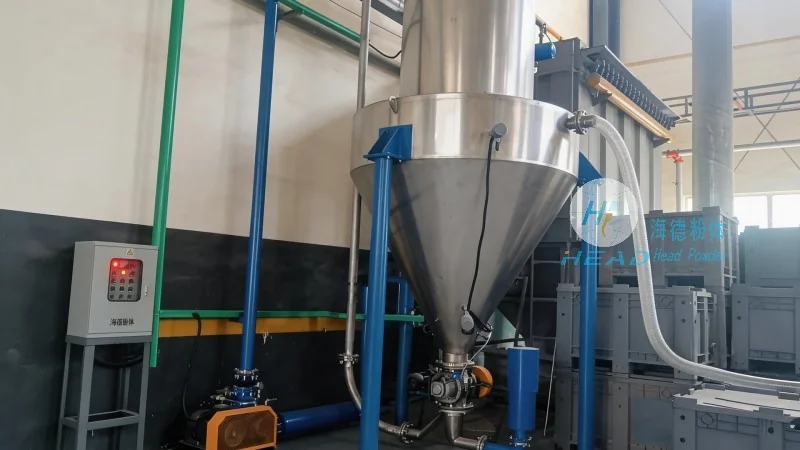
The operation of a cement aggregate pneumatic conveying system is based on the principle of air suspension, where the material is lifted and carried by the moving air stream within the pipeline. The process begins when the material is introduced into the hopper and falls into the conveying pipeline. Simultaneously, the air compressor starts, generating a high-pressure air flow that enters the pipeline. As the air flows through the pipeline, it creates a low-pressure zone, which draws the material particles into the air stream. The material particles are then suspended in the air and transported to the discharge point.
The operation process of a cement aggregate pneumatic conveying system involves several sequential steps that ensure smooth and continuous material transport. First, the material is loaded into the hopper, and the system is activated by starting the air compressor. The air pressure is adjusted to the appropriate level to match the material characteristics and pipeline length. Next, the material is fed into the pipeline as the air flow begins, creating a stable conveying condition. The system then maintains a consistent air flow and pressure to keep the material moving continuously. Finally, the material is discharged from the pipeline into the receiving hopper or silo, completing the transport cycle.
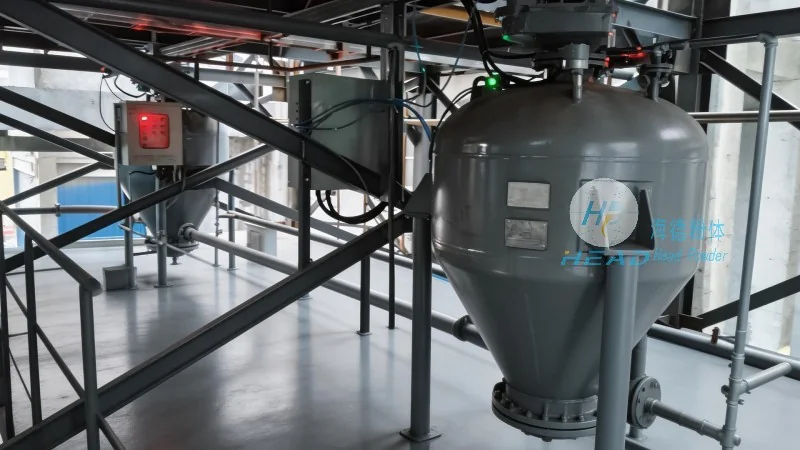
Pneumatic conveying systems for cement and aggregates offer numerous benefits, making them a preferred choice in industrial applications. These advantages include high material handling capacity, minimal material degradation, reduced dust emissions compared to other methods, and the ability to transport materials over long distances with minimal energy loss. The systems are widely used in cement plants, construction sites, and aggregate processing facilities to streamline material transport and improve operational efficiency.
HeadPowder's expertise in engineering and manufacturing ensures that cement aggregate pneumatic conveying systems are designed to meet the specific needs of each client. By understanding the operation process and working principles of these systems, users can optimize their material handling operations, reduce costs, and enhance overall productivity. With a focus on quality and reliability, HeadPowder continues to provide innovative solutions for the efficient transport of cement and aggregate materials in various industrial applications.

 Shandong Headpowder Engineering Co., Ltd.
 156-6277-7102(Manager Zhang)
  0531-83386006
  Zhangqiu District, Jinan City, Shandong Province, China
telephone
WeChatconsult
top