With more than 10‑year industry experience, Shandong Headpowder delivers full‑service pneumatic‑conveying systems and blowers, undertaking nationwide turn‑key powder‑handling projects.
Shandong HeadPowder Engineering Co., Ltd., a leading provider in the field, specializes in the design and implementation of advanced pneumatic conveying systems tailored for handling lithium-ion powder materials. The system is engineered to efficiently transport fine powders such as those used in lithium battery production, ensuring precision, reliability, and safety throughout the process. This article delves into the operational workflow and underlying principles that govern the effective functioning of such a system.
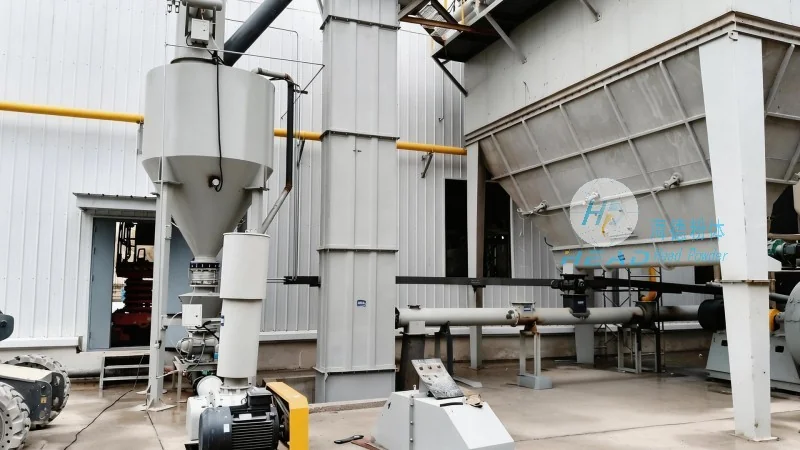
The lithium-ion powder pneumatic conveying system comprises several critical components, each playing a vital role in the overall operation. The primary elements include the material hopper, which serves as the storage and feeding unit for the lithium-ion powder; the air compressor, responsible for generating the necessary air pressure to drive the conveying process; the conveying line, typically made of stainless steel or other corrosion-resistant materials to handle the abrasive nature of the powder; and the dust collector, which ensures environmental compliance by capturing any airborne particles. Additionally, control valves and sensors are integrated to monitor and regulate the flow of both material and air, maintaining optimal system performance.
The core mechanism of the system operates on the principle of pneumatic transport, where the lithium-ion powder is suspended and transported by a stream of compressed air. The process begins with the powder being drawn from the hopper into the conveying line. As the air compressor supplies high-pressure air, it creates a flow that lifts and propels the powder particles through the pipeline. The air velocity is carefully controlled to ensure that the powder remains in a suspended state without causing excessive wear or degradation. The conveying line may include bends, expansions, or other features that require adjustments in air pressure and velocity to maintain consistent flow rates. The system is designed to handle both dilute-phase and dense-phase conveying, offering flexibility based on the specific requirements of the lithium-ion powder application.
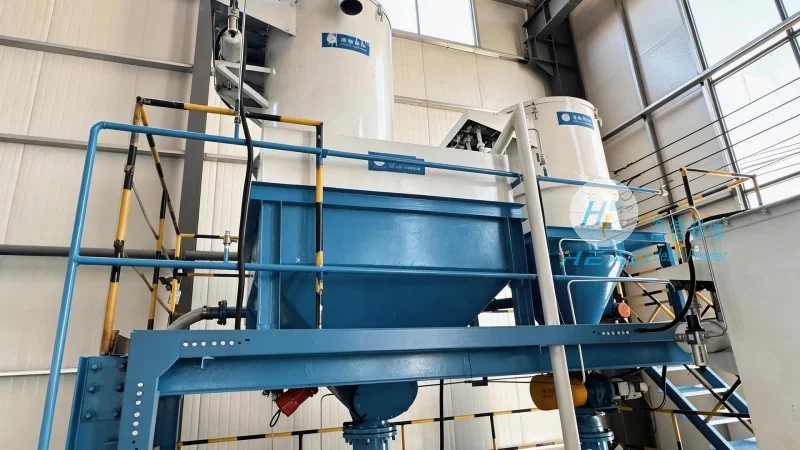
The operational workflow of the lithium-ion powder pneumatic conveying system follows a systematic sequence to ensure efficient material handling. Initially, the lithium-ion powder is loaded into the material hopper, which is equipped with a feeding mechanism such as a rotary valve or a screw feeder to control the discharge rate. Simultaneously, the air compressor is activated, and the compressed air is directed into the conveying line. The air pressure is adjusted to the appropriate level based on the powder characteristics and the desired conveying distance. As the powder is introduced into the line, it is entrained by the air stream and transported to the destination point, such as a storage silo or a processing unit. The conveying process continues until the hopper is emptied or the required amount of powder has been transferred. The system incorporates safety features, including pressure relief valves and dust extraction systems, to prevent over-pressurization and maintain a clean working environment. After the conveying operation, the air compressor is shut down, and the system is prepared for the next cycle.
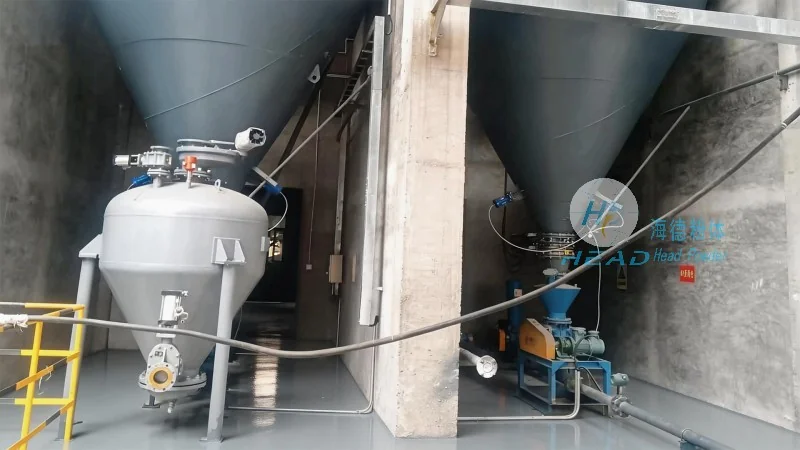
The lithium-ion powder pneumatic conveying system offers several advantages that make it an ideal solution for lithium battery production facilities. Unlike traditional mechanical conveying methods, such as screw conveyors or bucket elevators, pneumatic systems provide a dust-free and enclosed environment, reducing the risk of powder contamination and improving workplace safety. The system also allows for precise control over the flow rate and pressure, ensuring consistent material delivery to downstream processes. Additionally, the use of stainless steel components and corrosion-resistant materials ensures durability and longevity, even when handling abrasive lithium-ion powders. These benefits make the system particularly suitable for applications involving the transport of fine powders in high-purity environments, such as those required in lithium battery cell manufacturing and electrode production.
Proper maintenance is crucial to ensure the long-term reliability and efficiency of the lithium-ion powder pneumatic conveying system. Regular inspections of the air compressor, conveying line, and control valves are necessary to identify and address any potential issues before they escalate. The system should be cleaned periodically to remove accumulated powder and prevent blockages, especially in the conveying line and dust collector. Additionally, the air filter and compressor oil should be replaced as per the manufacturer's recommendations to maintain optimal performance. Operational considerations also include monitoring the air pressure and flow rates to ensure they remain within the specified parameters. By adhering to a regular maintenance schedule and following best practices, the system can operate at peak efficiency, minimizing downtime and maximizing productivity.

 Shandong Headpowder Engineering Co., Ltd.
 156-6277-7102(Manager Zhang)
  0531-83386006
  Zhangqiu District, Jinan City, Shandong Province, China
telephone
WeChatconsult
top