With more than 10‑year industry experience, Shandong Headpowder delivers full‑service pneumatic‑conveying systems and blowers, undertaking nationwide turn‑key powder‑handling projects.
Stone pneumatic conveying systems are essential for efficient material handling in various industrial applications. These systems utilize air or gas to transport bulk materials like crushed stone, gravel, and other granular substances through a pipeline network. Understanding the key components of such systems is crucial for optimizing performance, ensuring reliability, and maintaining operational efficiency.
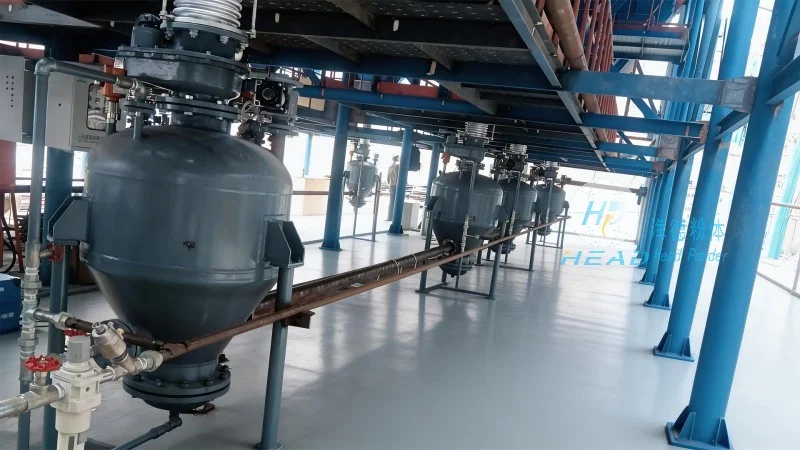
The primary components that make up a stone pneumatic conveying system include the material feed hopper, the conveying pipeline, the air or gas source, and the control system. Each component plays a vital role in the overall functionality of the system.
Firstly, the material feed hopper is responsible for storing and feeding the stone material into the conveying line. It is typically designed with a hopper shape to ensure a consistent flow of material, preventing blockages and maintaining a steady supply to the system. The hopper may also include a feeder mechanism, such as a rotary valve or a screw feeder, which regulates the amount of material entering the pipeline.
Secondly, the conveying pipeline is the main channel through which the stone material is transported. It is usually made of durable materials like stainless steel or high-density polyethylene (HDPE) to withstand the abrasive nature of the stone and the pressure of the conveying air. The pipeline is designed with appropriate bends and elbows to guide the material through the system while minimizing pressure losses and ensuring smooth flow.
Thirdly, the air or gas source provides the necessary pressure and flow to move the stone particles through the pipeline. This can be achieved using a blower, a fan, or a compressor, depending on the system's requirements. The air source is typically connected to the pipeline via a duct or a venturi system, which helps to accelerate the material and maintain a consistent velocity.
Finally, the control system manages the operation of the entire pneumatic conveying system. It includes sensors, valves, and a control panel that monitors the pressure, flow rate, and material level in the hopper. The control system ensures that the system operates within safe and efficient parameters, automatically adjusting the air flow or material feed as needed to maintain optimal performance.
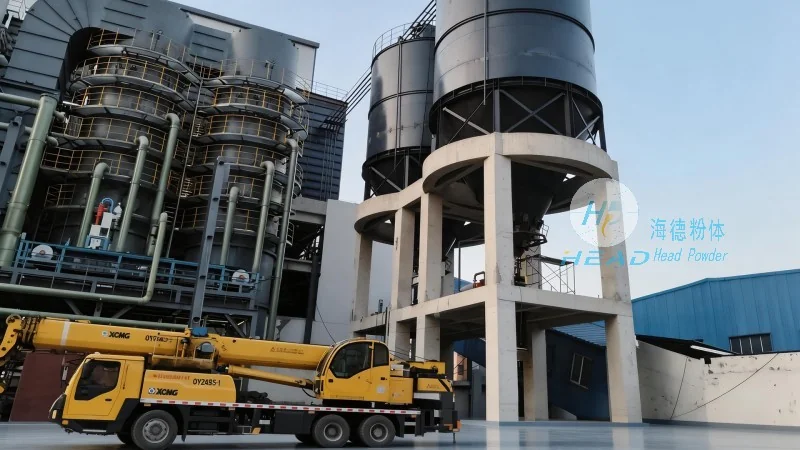
Each component of the stone pneumatic conveying system works in harmony to achieve effective material transport. The feed hopper ensures a continuous supply of material, while the pipeline provides the path for transport. The air source generates the necessary force to move the material, and the control system maintains the system's stability and efficiency.
The material feed hopper is critical for preventing material buildup and ensuring a consistent flow. Without proper feeding, the system may experience blockages or uneven material distribution, leading to reduced efficiency or system failure. The feeder mechanism, such as a rotary valve, controls the rate at which material enters the pipeline, matching the air flow to the material load.
The conveying pipeline's design and material selection are crucial for minimizing wear and tear from the abrasive stone particles. Stainless steel is commonly used for its corrosion resistance and durability, while HDPE is chosen for its lightweight and flexibility, especially in applications where flexibility is required. The pipeline's layout, including bends and elbows, affects the system's pressure drop and overall efficiency, with well-designed bends reducing energy consumption and maintaining material velocity.
The air source, whether a blower or a compressor, provides the pressure needed to overcome the resistance of the pipeline and the material's weight. The type of air source depends on the system's capacity and the material's characteristics. For example, a high-pressure blower may be used for long-distance conveying, while a low-pressure fan is suitable for short-distance transport. The air source is connected to the pipeline through a venturi or a duct, which helps to accelerate the material and maintain a consistent velocity.
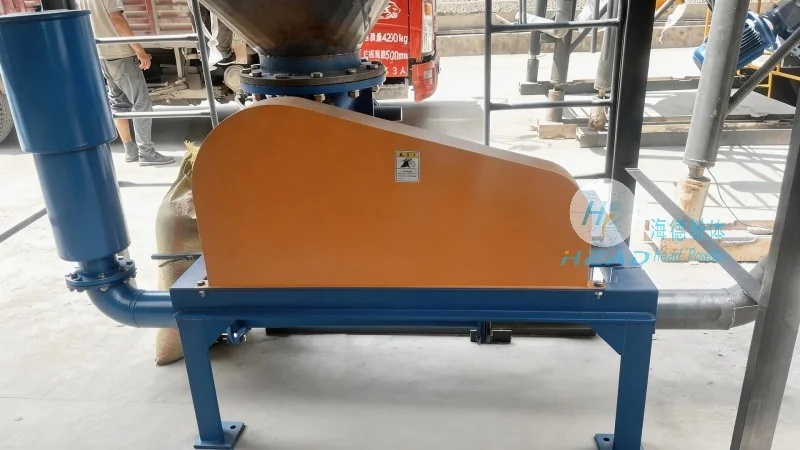
The control system is essential for monitoring and regulating the system's operation. Sensors, such as pressure transducers and flow meters, provide real-time data on the system's performance, allowing the control panel to adjust the air flow or material feed as needed. The control panel may include automatic start/stop functions, emergency stop buttons, and alarms to alert operators of any issues. This ensures that the system operates safely and efficiently, minimizing downtime and maximizing productivity.
Stone pneumatic conveying systems are widely used in various industries, including construction, mining, and manufacturing. They are particularly suitable for transporting materials that are difficult to handle with traditional methods, such as crushed stone, gravel, and other granular substances. The benefits of using pneumatic conveying for stone materials include improved safety, reduced labor costs, and increased efficiency.
One of the main advantages of stone pneumatic conveying is the elimination of manual handling of heavy and abrasive materials. This reduces the risk of workplace injuries and improves worker safety. Additionally, pneumatic conveying systems can transport materials over long distances without the need for intermediate storage or handling, reducing the need for additional equipment and labor.
The efficiency of stone pneumatic conveying systems is another key benefit. By using air to transport material, the system can achieve high material throughput with minimal energy consumption. The control system ensures that the system operates at optimal efficiency, reducing energy waste and lowering operating costs. Furthermore, the system's ability to handle abrasive materials without significant wear and tear extends the lifespan of the components, reducing maintenance costs over time.
Another benefit is the flexibility of the system. Pneumatic conveying systems can be easily modified or expanded to accommodate changing production needs. The pipeline can be extended or reconfigured to reach new locations, and the air source can be adjusted to handle different material loads. This flexibility makes stone pneumatic conveying systems a versatile solution for various industrial applications.

 Shandong Headpowder Engineering Co., Ltd.
 156-6277-7102(Manager Zhang)
  0531-83386006
  Zhangqiu District, Jinan City, Shandong Province, China
telephone
WeChatconsult
top