With more than 10‑year industry experience, Shandong Headpowder delivers full‑service pneumatic‑conveying systems and blowers, undertaking nationwide turn‑key powder‑handling projects.
Phosphoric hydrogen calcium, a vital raw material in the fertilizer sector, demands efficient and reliable transportation solutions to support seamless production workflows. The pneumatic conveying system engineered by Shandong HeadPowder Engineering Co., Ltd. (referred to as HeadPowder) addresses these requirements by delivering a robust solution for handling and transporting this material. This system integrates advanced engineering principles with practical application, offering a cost-effective and safe method for material transfer in industrial environments.
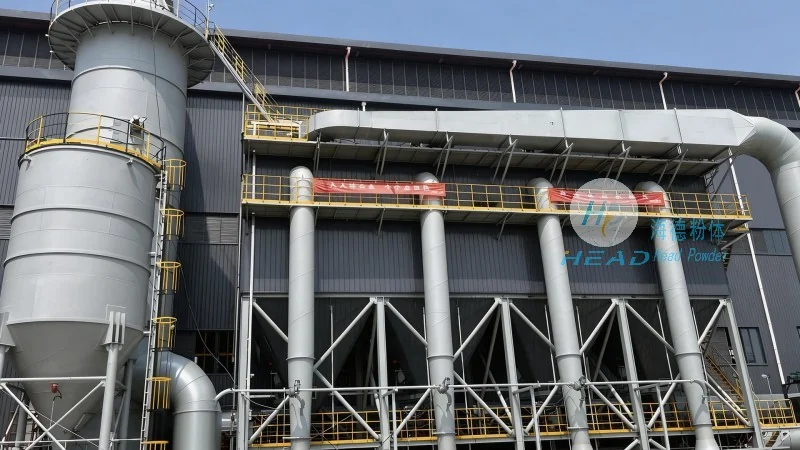
The fundamental operation of the phosphoric hydrogen calcium pneumatic conveying system centers on transporting bulk materials through a pressurized or vacuum air stream. The system functions by introducing the material into a hopper, where it is then fed into a pipeline via a rotary valve or feeder. Compressed air, generated by a blower or fan, is introduced into the pipeline, creating a flow that carries the material particles forward. The system's design, including the size and configuration of the pipes, the speed of the air flow, and the placement of bends and elbows, all contribute to the efficient movement of the material. The system ensures that the material is conveyed without excessive pressure drops or blockages, maintaining consistent flow rates and preventing material degradation.
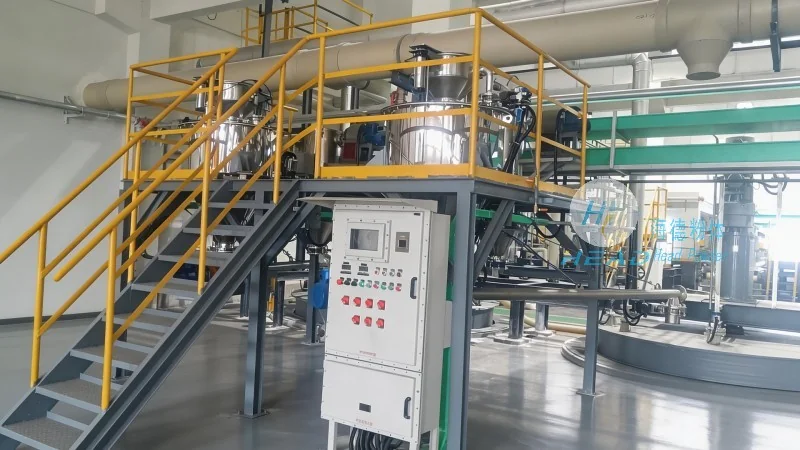
Several critical components collaborate to ensure the smooth operation of the phosphoric hydrogen calcium pneumatic conveying system. The hopper serves as the storage and feeding unit, holding the material and providing a controlled discharge rate. The rotary valve or feeder regulates the flow of material into the pipeline, preventing backflow and ensuring a steady supply. The blower or fan generates the necessary air pressure to move the material, with adjustable speed controls allowing for optimization of the conveying process. The pipeline network, constructed from durable materials such as stainless steel or plastic, transports the material from the source to the destination. Additionally, the system includes filters and cyclones to separate the material from the air stream, ensuring that the material is delivered in a clean and dry state. The control panel, equipped with sensors and monitoring devices, allows operators to track the system's performance and make adjustments as needed.
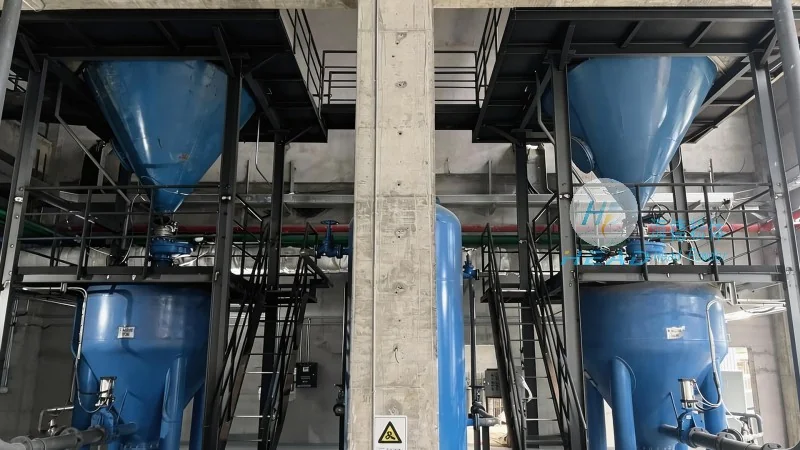
The operation of the phosphoric hydrogen calcium pneumatic conveying system follows a systematic process that ensures efficient material transfer. First, the material is loaded into the hopper, which is typically equipped with a level indicator to monitor the material level. The rotary valve or feeder then begins to discharge the material into the pipeline at a controlled rate. Simultaneously, the blower or fan is activated, generating the required air pressure. The air and material mixture travels through the pipeline, with the air flow carrying the material particles to the destination point. At the receiving end, a cyclone or separator separates the material from the air, allowing the material to be collected in a storage bin or silo. The air, now free of material particles, is either discharged to the atmosphere or recirculated back into the system, depending on the design. The control panel continuously monitors parameters such as pressure, flow rate, and material level, providing real-time feedback to the operator. Any deviations from the set parameters are automatically adjusted by the system's control logic, ensuring stable operation and preventing system failures.
The phosphoric hydrogen calcium pneumatic conveying system offers several advantages over traditional material handling methods. First, it eliminates the need for mechanical conveyors, such as belt or screw conveyors, which can be prone to blockages and maintenance issues. The system is also more hygienic and cleaner, as it prevents material contact with external surfaces and reduces dust generation. Additionally, the system is highly flexible, allowing for easy reconfiguration of the pipeline network to accommodate changes in production needs. The use of compressed air provides a gentle handling of the material, reducing the risk of product degradation or damage. The system also offers energy efficiency, as the air can be recirculated and reused, reducing energy consumption compared to other methods. Finally, the system is easy to maintain, with modular components that can be replaced or serviced without disrupting the entire operation.
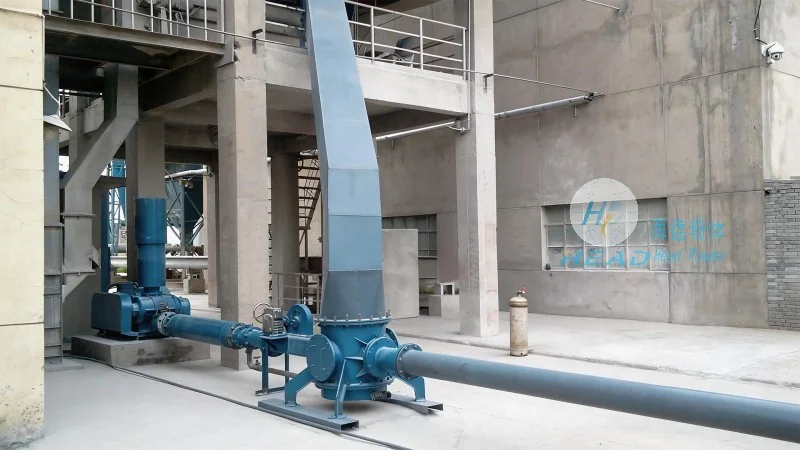
The phosphoric hydrogen calcium pneumatic conveying system is widely utilized in various industries that require the handling of bulk materials. In the fertilizer industry, it is commonly employed for transporting phosphoric hydrogen calcium from storage facilities to production lines or for distribution to customers. The system is also used in the chemical industry for transporting similar materials, such as calcium carbonate or other powders. Additionally, it can be applied in the food and pharmaceutical industries for handling materials that require a clean and hygienic environment. The system's versatility and adaptability make it suitable for a wide range of applications, from small-scale operations to large industrial plants.

 Shandong Headpowder Engineering Co., Ltd.
 156-6277-7102(Manager Zhang)
  0531-83386006
  Zhangqiu District, Jinan City, Shandong Province, China
telephone
WeChatconsult
top