With more than 10‑year industry experience, Shandong Headpowder delivers full‑service pneumatic‑conveying systems and blowers, undertaking nationwide turn‑key powder‑handling projects.
When it comes to the efficient and safe transport of potassium hydroxide (KOH), pneumatic conveying systems play a crucial role in industrial applications. The composition of such systems is vital for ensuring optimal performance, reliability, and adherence to safety standards. This article delves into the key components that make up a typical potassium hydroxide pneumatic conveying system, highlighting the role of each element in the overall operation.
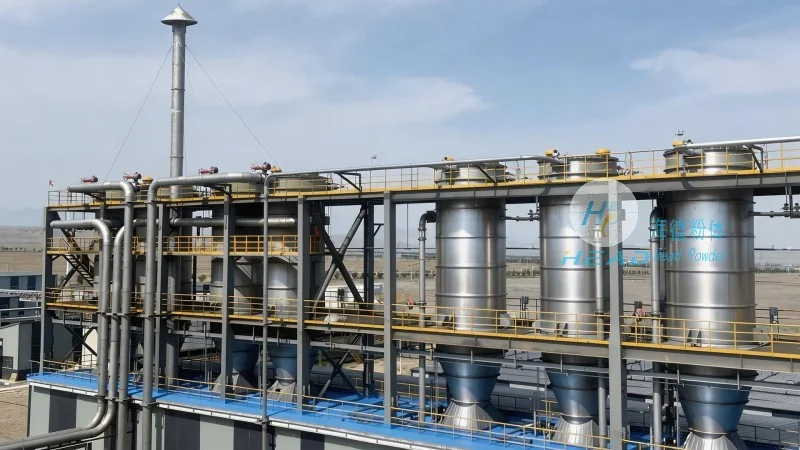
At the core of any pneumatic conveying system for potassium hydroxide is the conveying line, which serves as the primary pathway for transporting the material. This line is typically made from materials resistant to corrosion and abrasion, such as stainless steel or specialized polymers, to withstand the chemical properties of KOH and the mechanical stress of material flow. The design of the conveying line, including its diameter, length, and bends, is carefully engineered to minimize pressure drop and ensure smooth material movement. For instance, the use of smooth, internal surfaces reduces friction, allowing for consistent flow rates and preventing blockages that could lead to system failures.
Complementing the conveying line are the feeding equipment and distribution units. The feeding equipment, often a rotary valve or a screw feeder, is responsible for introducing the potassium hydroxide into the system at a controlled rate. This ensures that the material is fed uniformly, preventing overloading or underloading that could disrupt the conveying process. The distribution units, such as a manifold or a series of branches, help in directing the material to different destinations within the plant, enabling flexibility in material routing. These components are critical for maintaining the flow rate and pressure stability throughout the system.
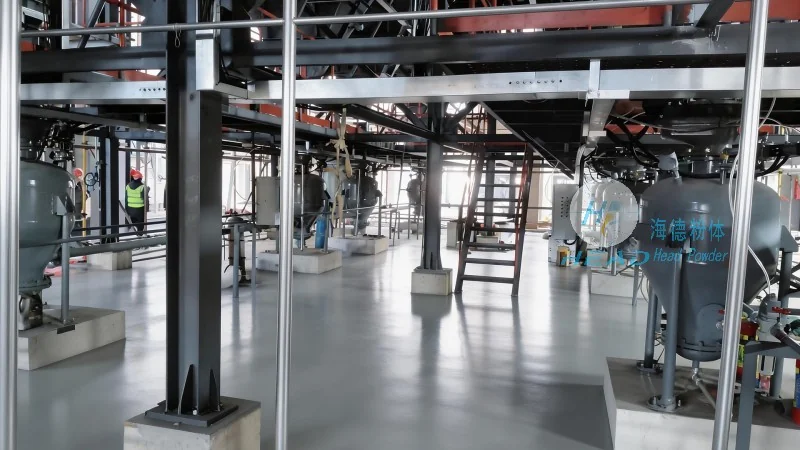
The air supply system is another essential component, providing the necessary pressure and volume of air to move the potassium hydroxide particles. This system typically includes a blower or a compressor, which generates the airflow, and a filter to remove contaminants from the air, ensuring that the material is conveyed in a clean environment. The air supply is carefully regulated to maintain consistent pressure, which is vital for preventing material degradation or equipment damage. The choice of air supply equipment depends on the specific requirements of the application, such as the material's bulk density and the system's operating pressure.
For systems that require separation or cleaning of the conveyed material, the separator and filter components are integral. The separator, often a cyclone or a bag filter, separates the potassium hydroxide particles from the air stream, allowing the material to be collected and reused. The filter, on the other hand, removes any fine particles or dust from the air, ensuring that the exhaust air meets environmental regulations. These components not only improve the efficiency of the system but also enhance safety by preventing the release of hazardous particles into the environment.
Additionally, the control system is a critical part of the pneumatic conveying system, responsible for monitoring and regulating the operation. This system includes sensors and controllers that track parameters such as pressure, flow rate, and temperature, and adjust the system's performance as needed. The control system ensures that the system operates within safe limits and optimizes the use of energy, reducing operational costs. For example, it can adjust the air supply rate based on the material feed rate, preventing energy waste and maintaining consistent performance.
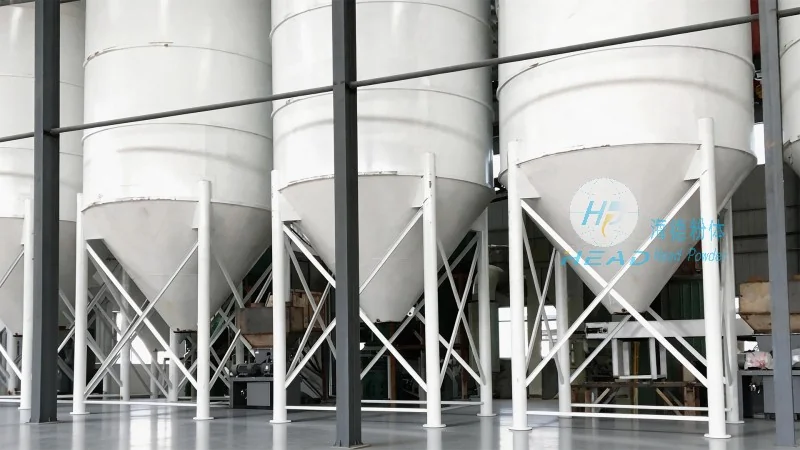
Finally, the maintenance and safety equipment are essential for the long-term operation of the system. This includes components such as pressure relief valves, which prevent overpressure in the system, and emergency shut-off valves, which can quickly stop the flow in case of an emergency. Regular maintenance, such as cleaning and inspection of the conveying line and equipment, is also crucial to ensure the system's reliability and longevity. By incorporating these components, the pneumatic conveying system for potassium hydroxide can operate efficiently and safely, meeting the demands of industrial applications.
Shandong HeadPowder Engineering Co., Ltd., a leading provider of pneumatic conveying solutions, specializes in designing and manufacturing systems tailored to the unique needs of potassium hydroxide handling. With a focus on quality and innovation, the company ensures that its systems are built to withstand the challenges of industrial environments. Located in Shandong, China, HeadPowder Engineering leverages its expertise to deliver reliable and efficient solutions for clients worldwide. The company's commitment to excellence and customer satisfaction has made it a trusted partner in the chemical processing industry.

 Shandong Headpowder Engineering Co., Ltd.
 156-6277-7102(Manager Zhang)
  0531-83386006
  Zhangqiu District, Jinan City, Shandong Province, China
telephone
WeChatconsult
top