With more than 10‑year industry experience, Shandong Headpowder delivers full‑service pneumatic‑conveying systems and blowers, undertaking nationwide turn‑key powder‑handling projects.
In the complex landscape of modern manufacturing, the efficient and reliable movement of raw materials is a critical component of operational success. For industries heavily reliant on polymer processing, the method of transporting materials can significantly impact production efficiency, product quality, and overall cost management. Shandong Headpowder Engineering Co., Ltd. stands at the forefront of this technological domain, specializing in providing state-of-the-art systems designed to streamline the logistics of industrial production. As a dedicated engineering firm based in China, the company has established a reputation for delivering robust and customized solutions that meet the rigorous demands of the global market. By focusing on precision and durability, Shandong Headpowder Engineering Co., Ltd. ensures that every client's logistical challenges are met with a tailored engineering approach.
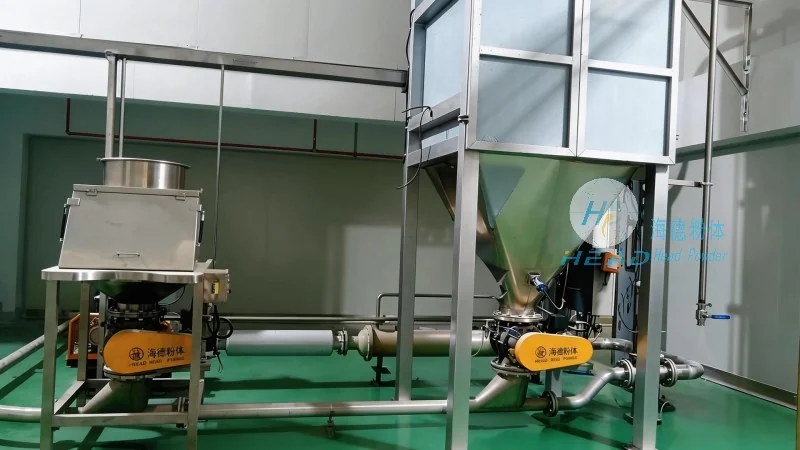
The process of transporting materials is far more than a simple logistical task; it is a fundamental requirement for maintaining continuous production lines. In the context of plastic manufacturing, the handling of granules, powders, and flakes requires specialized equipment to prevent degradation, contamination, and loss of material. Traditional methods of manual handling or mechanical belt conveyors often fall short in environments where dust control, hygiene, and space optimization are paramount. This is where advanced systems come into play, offering a seamless transition from storage to processing. A well-designed system minimizes human intervention, thereby reducing the risk of workplace accidents and ensuring a consistent flow of materials into the production machinery.
Among the various methodologies available for material transport, pneumatic conveying has emerged as the preferred solution for many high-volume industries. This technology utilizes air pressure to move materials through a closed pipeline system, effectively eliminating the need for open-air handling. When we discuss plastic pneumatic conveying, we are referring to a sophisticated process where dry bulk materials such as polyethylene, polypropylene, PVC, and various resins are transported from a storage silo or hopper directly to processing equipment. This method is particularly advantageous because it creates a sealed environment, drastically reducing the risk of dust explosions—a critical safety feature in facilities handling combustible powders. Furthermore, the enclosed nature of the system protects the material from external contaminants, ensuring that the final product retains its intended chemical and physical properties.
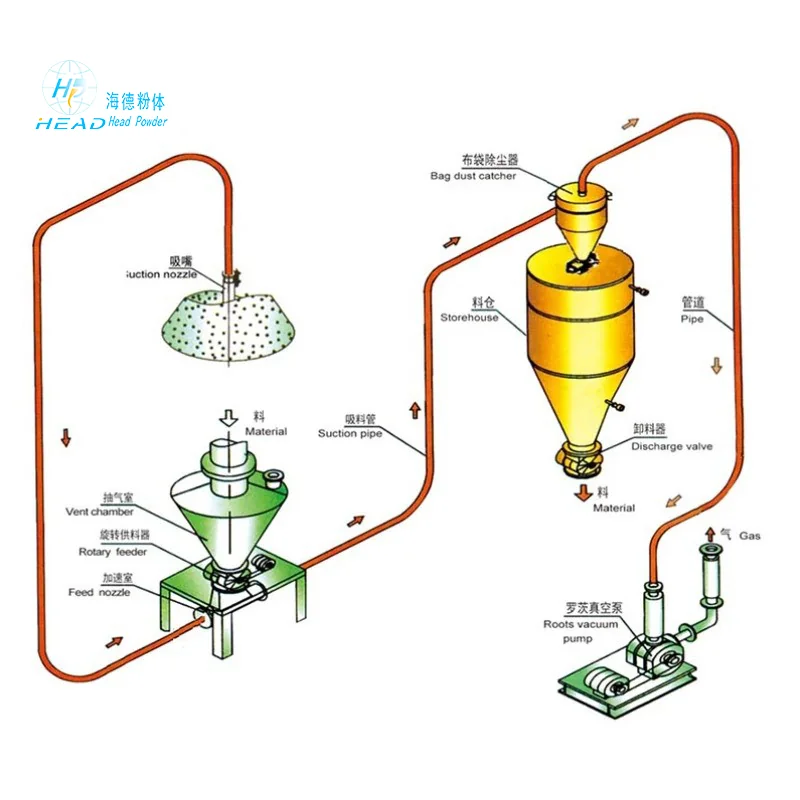
Shandong Headpowder Engineering Co., Ltd. offers a comprehensive range of products tailored to meet diverse industrial needs. The company’s core expertise lies in the design and manufacture of high-performance plastic conveying systems. These systems are engineered to handle a wide variety of plastic materials, from fine powders to larger granules, ensuring versatility across different production scales. The product lineup includes custom-designed silos, rotary valves, blow tanks, and advanced control systems that automate the entire transfer process. By integrating cutting-edge technology with mechanical precision, the company provides a complete material conveying solution that addresses every stage of the logistics chain. Whether it is for a small-scale operation or a large industrial plant, the engineering team ensures that the machinery is robust, energy-efficient, and easy to integrate into existing workflows.
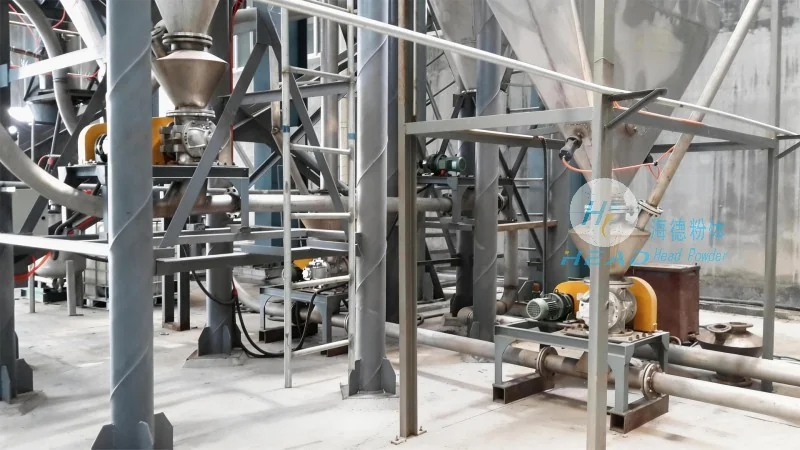
Selecting the right partner for industrial equipment is a decision that affects long-term operational stability. Shandong Headpowder Engineering Co., Ltd. distinguishes itself through its commitment to quality and customer service. Located in Shandong, China, the company benefits from a strategic position in a major manufacturing hub, allowing for efficient production and rapid deployment of services. The company’s engineering philosophy centers on the belief that every project is unique. Therefore, they do not offer one-size-fits-all solutions; instead, they conduct thorough site assessments to understand the specific material characteristics and spatial constraints of the client's facility. This bespoke approach ensures that the resulting system is not only functional but also optimizes the use of available space and energy resources.
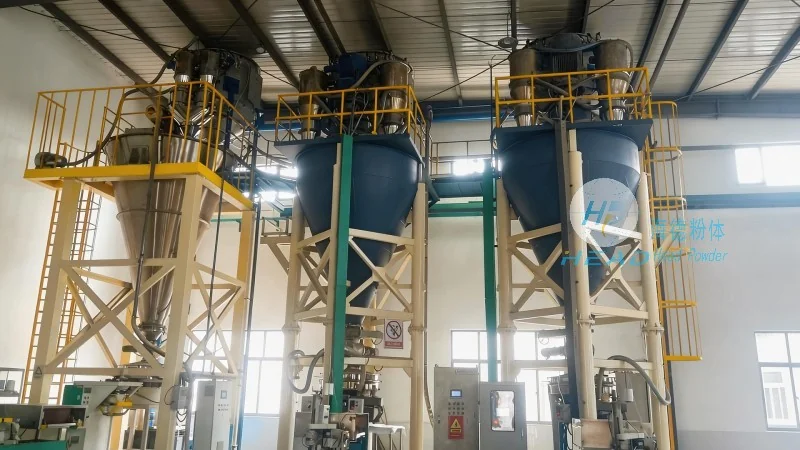
The engineering prowess of Shandong Headpowder Engineering Co., Ltd. is evident in the technical specifications of their equipment. Their systems are designed to withstand harsh industrial environments, featuring corrosion-resistant materials and high-tolerance components that ensure longevity. The plastic pneumatic conveying systems are engineered to minimize pressure drops and energy consumption, providing a cost-effective solution for high-throughput operations. Additionally, the company places a strong emphasis on automation. By incorporating smart sensors and control panels, the systems allow for real-time monitoring of flow rates and system pressure, enabling operators to make immediate adjustments to maintain optimal performance. This level of technical sophistication ensures that clients receive a product that is not only reliable but also future-proof against evolving industrial standards.
In conclusion, the efficient transport of materials is a cornerstone of successful industrial operations. Shandong Headpowder Engineering Co., Ltd. provides the expertise and technology necessary to revolutionize how plastic and other dry bulk materials are handled. With a focus on safety, efficiency, and durability, their plastic conveying and material conveying solutions are designed to enhance productivity and reduce operational costs. For businesses seeking to upgrade their material handling infrastructure or require specialized engineering services, the company offers a gateway to modernized production capabilities. To discuss your specific project requirements or to learn more about their engineering services, interested parties are encouraged to reach out directly. You may contact Manager Zhang at the company for detailed consultations and support. Manager Zhang can be reached via WeChat at 15662777102, ensuring a direct line of communication for all inquiries.

 Shandong Headpowder Engineering Co., Ltd.
 156-6277-7102(Manager Zhang)
  0531-83386006
  Zhangqiu District, Jinan City, Shandong Province, China
telephone
WeChatconsult
top