With more than 10‑year industry experience, Shandong Headpowder delivers full‑service pneumatic‑conveying systems and blowers, undertaking nationwide turn‑key powder‑handling projects.
Sand, a fundamental material in construction and industrial applications, requires efficient and reliable transport systems to move it from its source to processing or construction sites. Traditional methods like belt conveyors, bucket elevators, and truck transport have been widely used, but each comes with its own set of limitations. As industries seek more efficient, flexible, and cost-effective solutions, advanced transport technologies like pneumatic conveying have emerged as a preferred choice for handling sand and other fine particulate materials. This article explores the various sand transport methods available and highlights the key advantages and features of pneumatic sand conveying, presented by Shandong HeadPowder Engineering Co., Ltd., a leading provider in the field.
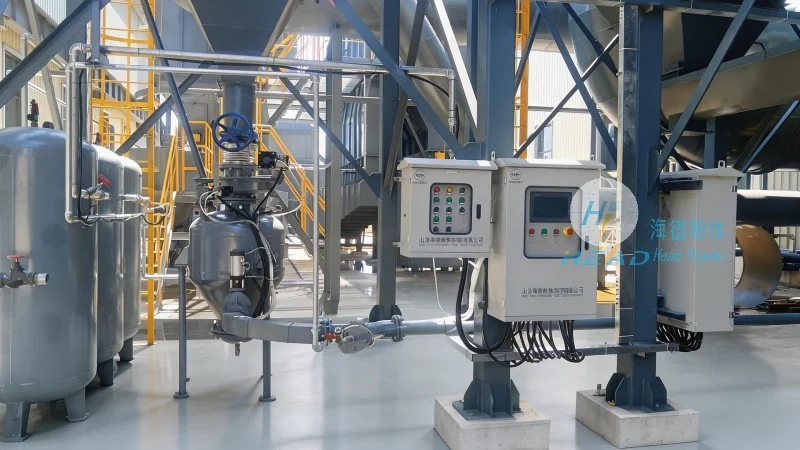
Conventional sand transport methods include mechanical conveyors such as belt conveyors, screw conveyors, and bucket elevators. Belt conveyors are widely used for long-distance horizontal or slight incline transport, but they may suffer from material spillage and maintenance issues. Screw conveyors are suitable for vertical or inclined transport but can cause material degradation due to friction. Bucket elevators are effective for vertical transport but require regular maintenance and can be noisy. Another common method is truck transport, which offers flexibility but suffers from high labor costs, traffic congestion, and environmental concerns. Each of these methods has its strengths and weaknesses, making it essential to evaluate the specific requirements of the application before selecting the most appropriate transport solution.
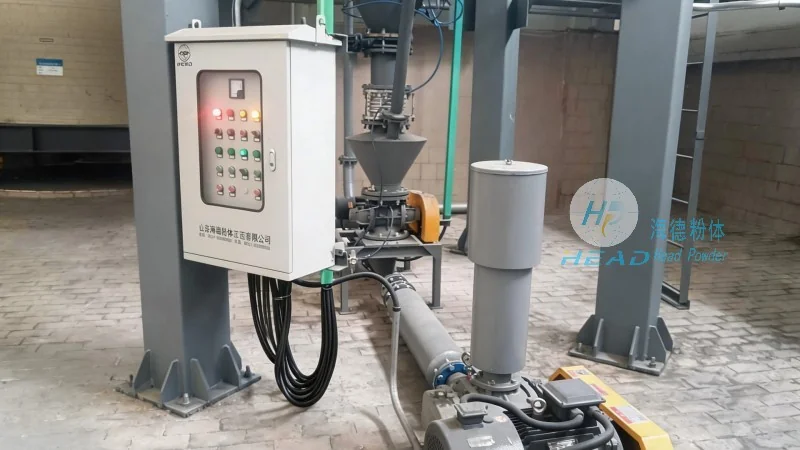
Pneumatic sand conveying, also known as air conveying, utilizes compressed air to transport sand particles through a pipeline system. This method offers several significant advantages over traditional mechanical conveyors. Firstly, it provides a dust-free and clean transport environment, which is crucial for maintaining product quality and ensuring workplace safety. Unlike mechanical systems that can generate dust and cause contamination, pneumatic conveying keeps the sand particles enclosed within the pipeline, minimizing exposure to the air and reducing the risk of dust-related health issues. Secondly, it offers high flexibility in terms of layout and installation. The pipeline can be easily routed around obstacles, allowing for complex and customized transport systems that adapt to the specific site conditions. This flexibility is particularly beneficial in construction sites where space is limited or where the transport route needs to be adjusted frequently. Thirdly, pneumatic conveying is highly efficient in terms of energy consumption and operational costs. By using compressed air to move the sand, the system can achieve high transport capacities with lower energy input compared to mechanical conveyors that rely on motor-driven components. This results in reduced operational costs and lower environmental impact. Additionally, the system is relatively simple to maintain, with fewer moving parts and less wear and tear compared to mechanical systems, leading to lower maintenance expenses and longer service life.
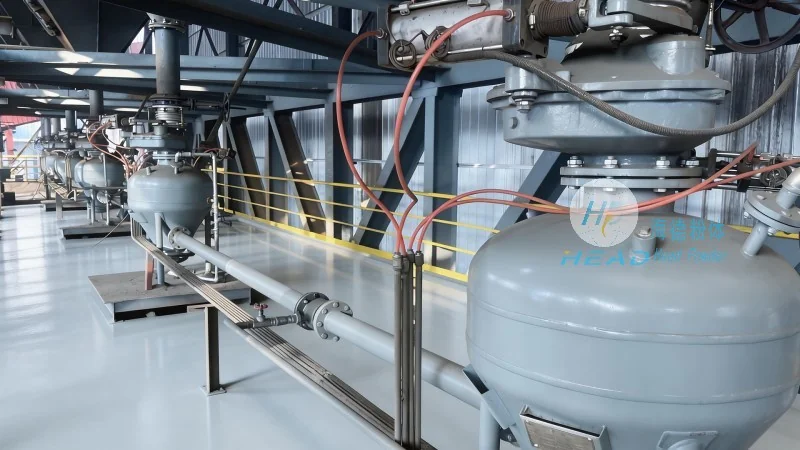
Shandong HeadPowder Engineering Co., Ltd. specializes in designing and manufacturing advanced pneumatic sand conveying systems tailored to the needs of various industries. The company's systems are engineered to provide reliable and efficient transport of sand, ensuring optimal performance and durability. A key feature of their pneumatic conveying systems is the use of high-quality materials, such as stainless steel or corrosion-resistant alloys, to withstand the abrasive nature of sand particles and prevent wear and corrosion over time. This ensures the longevity of the equipment and reduces the need for frequent replacements. Another important feature is the integration of advanced control systems that allow for precise regulation of air pressure, flow rate, and transport speed. These controls enable operators to adjust the system parameters in real-time, optimizing the transport process and minimizing energy waste. The systems also include safety features such as pressure relief valves and dust collection mechanisms to ensure safe and compliant operation. Furthermore, the company's expertise in customizing systems to meet specific application requirements ensures that clients receive solutions that are perfectly suited to their unique needs, whether it's for small-scale or large-scale sand transport operations.
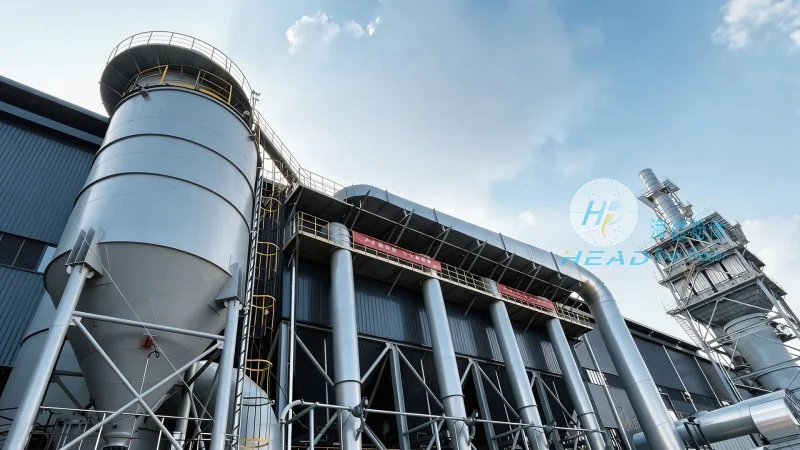
When selecting a sand transport method, it is essential to consider factors such as material characteristics, transport distance, site layout, and operational requirements. While traditional mechanical conveyors may be suitable for some applications, pneumatic sand conveying offers significant advantages in terms of efficiency, flexibility, and environmental friendliness. Shandong HeadPowder Engineering Co., Ltd. provides comprehensive solutions for pneumatic sand conveying, combining advanced technology with expert engineering to deliver reliable and cost-effective transport systems. By choosing pneumatic conveying, industries can enhance their operational efficiency, reduce costs, and improve workplace safety, making it a superior choice for modern sand transport needs. Whether for construction, mining, or other industrial applications, the advantages of pneumatic sand conveying make it an ideal solution for handling sand and other fine particulate materials effectively and sustainably.

 Shandong Headpowder Engineering Co., Ltd.
 156-6277-7102(Manager Zhang)
  0531-83386006
  Zhangqiu District, Jinan City, Shandong Province, China
telephone
WeChatconsult
top