With more than 10‑year industry experience, Shandong Headpowder delivers full‑service pneumatic‑conveying systems and blowers, undertaking nationwide turn‑key powder‑handling projects.
Wine lees, also known as grape pomace, are a byproduct of winemaking that require efficient handling and transportation. The method used to convey these materials can significantly impact the overall efficiency and hygiene of the winemaking process. There are several common approaches to wine lees conveying, each with its own set of advantages and limitations. Understanding these options is crucial for wineries looking to optimize their operations.
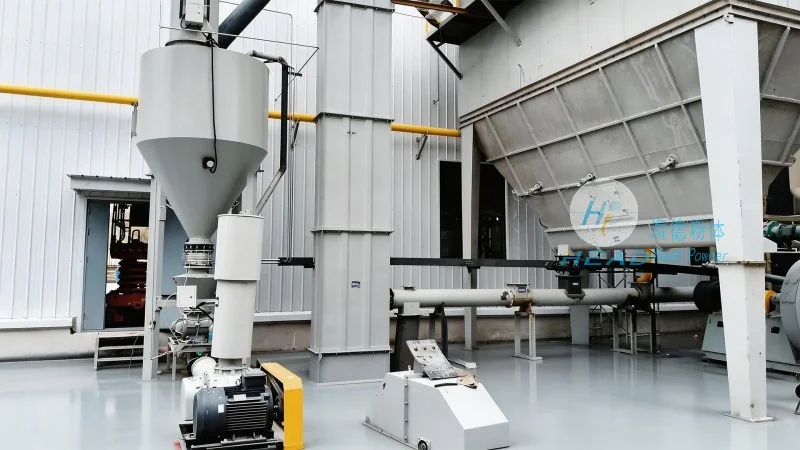
Among the various methods, pneumatic conveying stands out as a modern and effective solution. Unlike traditional systems that rely on gravity or mechanical components, pneumatic conveying uses air to transport materials through a pipeline. This approach offers several key benefits that make it particularly suitable for wine lees.
Shandong HeadPowder Engineering Co., Ltd., a leading manufacturer based in China, specializes in providing advanced conveying solutions tailored to the needs of the winemaking industry. With a strong commitment to quality and innovation, the company has developed state-of-the-art pneumatic conveying systems that enhance the efficiency and reliability of wine lees handling.
The primary advantage of pneumatic conveying is its ability to handle materials in a hygienic and dust-free environment. Wine lees are often sensitive to contamination, and pneumatic systems minimize the risk of cross-contamination by keeping the material enclosed within the pipeline. This is particularly important in food processing applications where maintaining product integrity is paramount.
Another key feature is the flexibility of pneumatic conveying systems. They can be easily integrated into existing winemaking facilities, and the pipeline layout can be customized to fit the specific layout of the winery. This adaptability allows for efficient use of space and reduces the need for extensive reconfiguration of the production area.
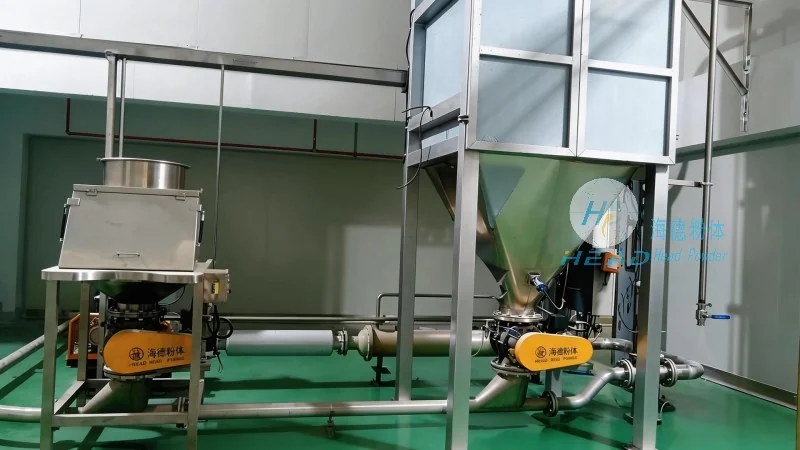
Efficiency is another critical factor. Pneumatic systems can transport wine lees over long distances with minimal energy consumption compared to traditional methods. The use of compressed air as the driving force allows for consistent and reliable material flow, reducing downtime and increasing overall productivity.
Furthermore, pneumatic conveying systems are designed to be low-maintenance. The absence of moving parts in the conveying line reduces the risk of mechanical failure and simplifies routine maintenance. This results in lower operational costs and less disruption to winemaking operations.
The hygienic design of pneumatic conveying systems also aligns with modern food safety standards. The materials used in the construction of the pipeline and components are typically made from stainless steel or other food-grade materials, which resist corrosion and are easy to clean. This ensures that the wine lees remain free from contaminants throughout the conveying process.
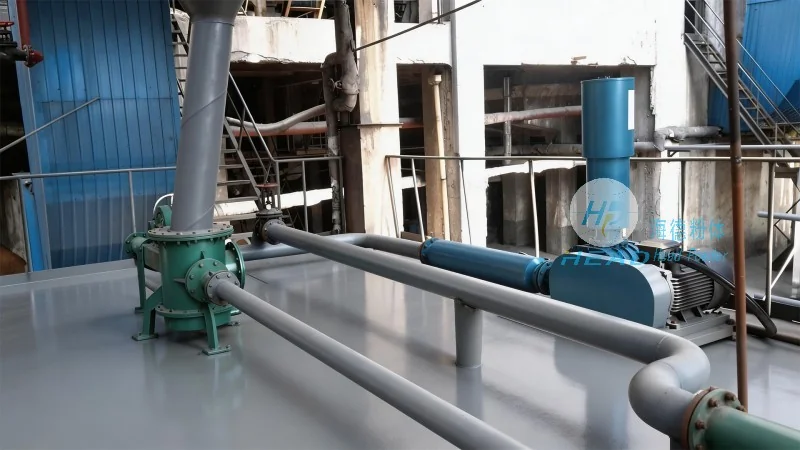
For wineries, the adoption of pneumatic conveying not only improves operational efficiency but also enhances the quality of the final product. By maintaining the integrity of the wine lees, the system helps preserve the flavor and aroma of the grapes, contributing to a higher-quality wine.
Shandong HeadPowder Engineering Co., Ltd. has been at the forefront of developing advanced pneumatic conveying solutions for the wine industry. The company's expertise in engineering and manufacturing has enabled them to create systems that meet the unique demands of winemaking, ensuring that each component is designed for durability, reliability, and performance.
The company's facilities are located in Shandong, China, where it leverages local resources and expertise to produce high-quality equipment. By partnering with Shandong HeadPowder, wineries can benefit from a comprehensive range of services, including system design, installation, and maintenance support. This ensures that the pneumatic conveying system is tailored to the specific needs of the winery and operates at peak efficiency.
In conclusion, pneumatic conveying offers a superior solution for wine lees handling compared to traditional methods. Its advantages in terms of hygiene, efficiency, and flexibility make it an ideal choice for modern winemaking operations. With the support of companies like Shandong HeadPowder Engineering Co., Ltd., wineries can enhance their production processes and achieve better results in their wine-making endeavors.

 Shandong Headpowder Engineering Co., Ltd.
 156-6277-7102(Manager Zhang)
  0531-83386006
  Zhangqiu District, Jinan City, Shandong Province, China
telephone
WeChatconsult
top