With more than 10‑year industry experience, Shandong Headpowder delivers full‑service pneumatic‑conveying systems and blowers, undertaking nationwide turn‑key powder‑handling projects.
When it comes to handling and transporting calcium oxide powder, selecting the right conveying method is crucial for ensuring efficiency, safety, and cost-effectiveness. Calcium oxide, commonly known as quicklime, is a versatile industrial material used in various applications such as construction, steel production, and chemical manufacturing. The way this powder is moved from one location to another can significantly impact operational performance and product quality. This article explores the primary methods of calcium oxide powder conveyance, with a focus on the benefits and characteristics of pneumatic conveying systems, brought to you by Shandong HeadPowder Engineering Co., Ltd., a leading provider of industrial conveying solutions based in China.
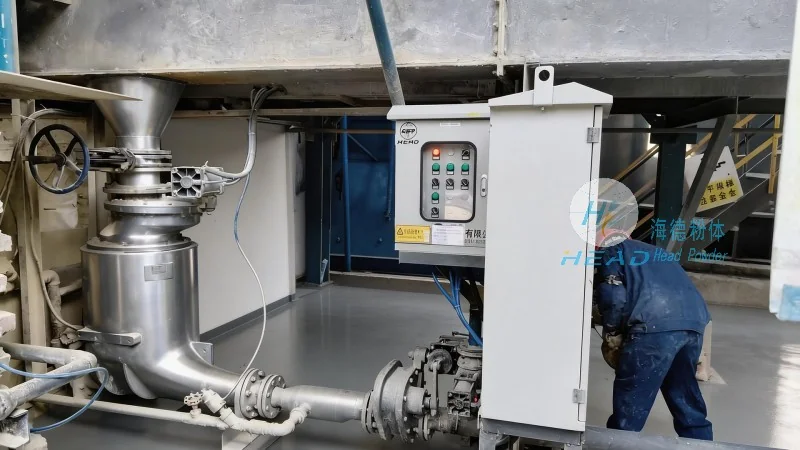
There are several conventional methods used for transporting calcium oxide powder, including mechanical conveyors like belt conveyors, screw conveyors, and bucket elevators. These systems rely on mechanical force to move the material. Belt conveyors are widely used for bulk material handling, offering high capacity and reliability. Screw conveyors are suitable for vertical or inclined transport, but they may experience issues with material bridging or blockages, especially with fine powders like calcium oxide. Bucket elevators are effective for vertical lifting but can be noisy and require regular maintenance. However, these mechanical systems often face challenges when dealing with calcium oxide powder due to its dustiness and potential for caking, which can lead to operational inefficiencies and safety hazards.
Pneumatic conveying has emerged as a preferred method for transporting calcium oxide powder due to its ability to handle fine, dusty materials efficiently and safely. Unlike mechanical conveyors, pneumatic systems use air pressure to move the powder through a pipeline. This method offers several advantages that make it ideal for calcium oxide powder applications.
One of the most significant benefits of pneumatic conveying is its ability to handle calcium oxide powder in a dust-free environment. The enclosed system prevents dust from escaping into the workplace, reducing the risk of respiratory issues and improving overall safety. This is particularly important in industrial settings where calcium oxide powder is processed. Additionally, pneumatic conveying systems can transport calcium oxide powder over long distances with minimal loss of material, ensuring high throughput and consistent product quality.
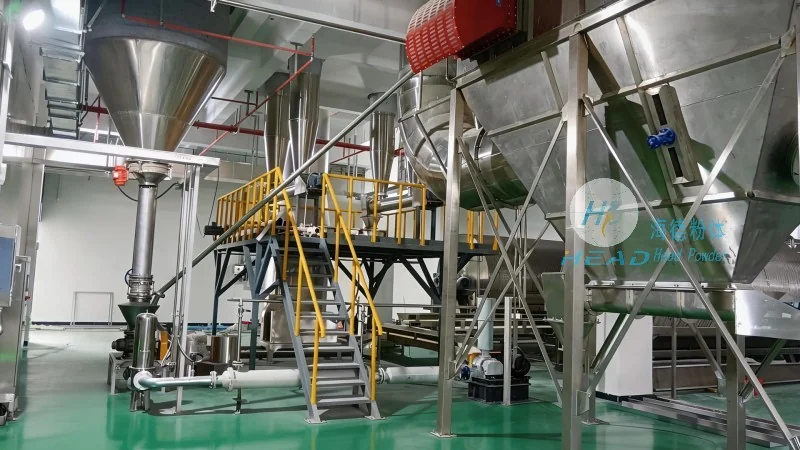
Another advantage is the flexibility of pneumatic conveying systems. They can be easily integrated into existing production lines and can handle varying flow rates and material characteristics. This adaptability makes them suitable for different stages of the calcium oxide powder processing workflow, from raw material intake to final product packaging. Furthermore, pneumatic systems are less prone to material buildup and clogging compared to mechanical conveyors, as the air flow helps to keep the powder moving smoothly through the pipeline.
There are two main types of pneumatic conveying systems used for calcium oxide powder: pressure and vacuum systems. Pressure systems use compressed air to push the powder through the pipeline, while vacuum systems use a vacuum to draw the powder into the system. The choice between these systems depends on the specific application requirements, such as the distance to be covered and the material's characteristics.
Pressure pneumatic conveying systems are commonly used for short to medium distances and high-volume applications. They are capable of handling large quantities of calcium oxide powder efficiently and can be designed with multiple branches to distribute the material to different destinations. Vacuum systems, on the other hand, are better suited for longer distances and applications where the material needs to be collected from multiple points. They are also effective for handling materials that are difficult to move under pressure, such as fine powders that tend to settle.
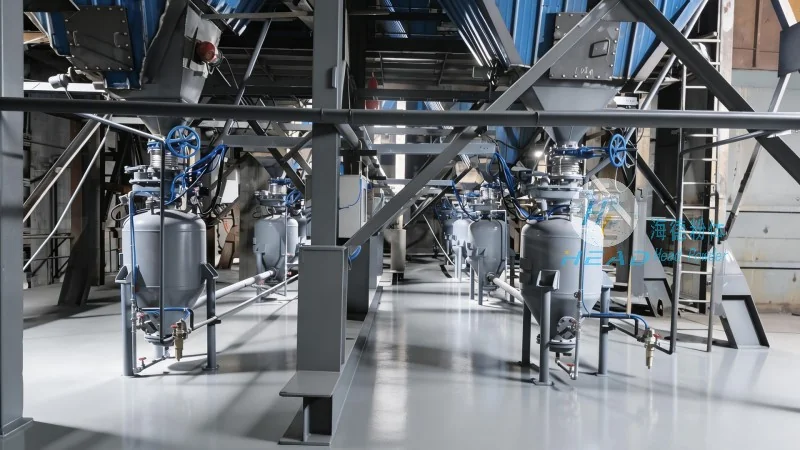
When implementing a pneumatic conveying system for calcium oxide powder, several features and considerations must be taken into account to ensure optimal performance. First, the system must be designed to handle the specific properties of calcium oxide powder, including its fineness, moisture content, and potential for caking. The pipeline material and diameter are critical factors, as they affect the air flow and powder transport efficiency. Stainless steel or other corrosion-resistant materials are often used to prevent material buildup and ensure durability.
Second, the air flow rate and pressure must be carefully controlled to maintain consistent material transport. Too low a flow rate can lead to clogging, while too high a pressure can cause excessive wear on the system components. Proper filtration and dust collection systems are also essential to prevent dust from escaping and to maintain the system's efficiency. These systems help to capture any fine particles that may escape the pipeline, ensuring compliance with environmental regulations and maintaining a clean working environment.
In conclusion, the choice of calcium oxide powder conveying method depends on various factors, including the application requirements, material characteristics, and operational constraints. While mechanical conveyors have their uses, pneumatic conveying systems offer superior advantages for handling calcium oxide powder, especially in terms of safety, efficiency, and flexibility. By understanding the benefits and features of pneumatic conveying, industrial operators can make informed decisions to improve their calcium oxide powder handling processes and achieve better overall performance.

 Shandong Headpowder Engineering Co., Ltd.
 156-6277-7102(Manager Zhang)
  0531-83386006
  Zhangqiu District, Jinan City, Shandong Province, China
telephone
WeChatconsult
top