With more than 10‑year industry experience, Shandong Headpowder delivers full‑service pneumatic‑conveying systems and blowers, undertaking nationwide turn‑key powder‑handling projects.
Aluminum dross, a byproduct of aluminum smelting and processing, requires efficient and reliable transportation systems to ensure smooth industrial operations. Among the various methods available for aluminum dross handling, pneumatic conveying stands out as a preferred solution due to its unique advantages and technical capabilities. This article provides an in-depth look at the different aluminum dross conveying methods and highlights the key benefits of pneumatic conveying technology, presented by Shandong HeadPowder Engineering Co., Ltd., a leading provider in the field.
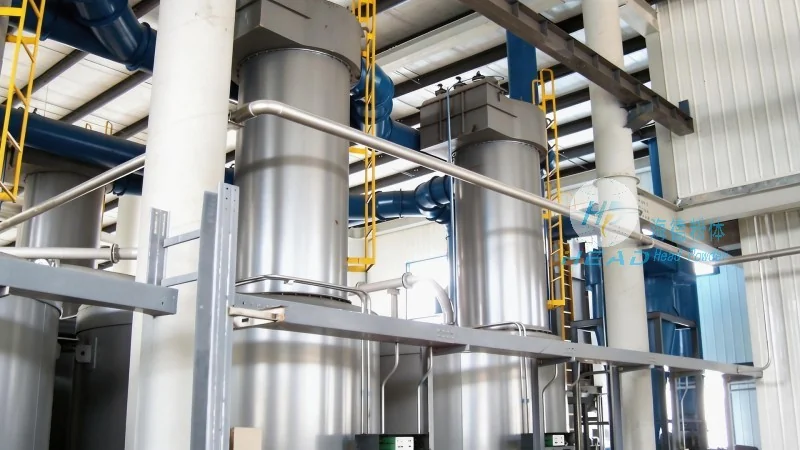
Aluminum dross is a solid waste material generated during the production of aluminum, typically containing a mixture of metal particles, slag, and other impurities. The properties of aluminum dross, such as its density, moisture content, and particle size distribution, significantly influence the choice of conveying method. Traditional methods like gravity flow or mechanical conveying may face challenges in handling the abrasive and potentially hazardous nature of aluminum dross, leading to equipment wear, maintenance issues, and operational inefficiencies. Therefore, modern industrial applications increasingly turn to advanced conveying solutions to address these challenges effectively.
Several conventional and modern methods are employed for aluminum dross transportation, each with its own set of applications and limitations. The primary methods include:
1. Gravity Conveying: This method relies on the natural slope of the conveyor system to move aluminum dross from a higher to a lower elevation. While simple and low-cost, gravity conveying is limited by the need for steep inclines and is unsuitable for long-distance or horizontal transport, making it less practical for most industrial settings.
2. Mechanical Conveying: Mechanical systems, such as belt conveyors or screw conveyors, use mechanical components to transport aluminum dross. These systems are robust and can handle large volumes, but they require regular maintenance, are prone to wear from abrasive dross particles, and may generate dust and noise, posing safety and environmental concerns.
3. Hydraulic Conveying: Utilizing water or other liquids to transport aluminum dross, hydraulic systems are effective for wet or slurry-like dross mixtures. However, they involve complex fluid management, higher operational costs due to water usage, and potential environmental impacts from wastewater disposal, limiting their widespread adoption.
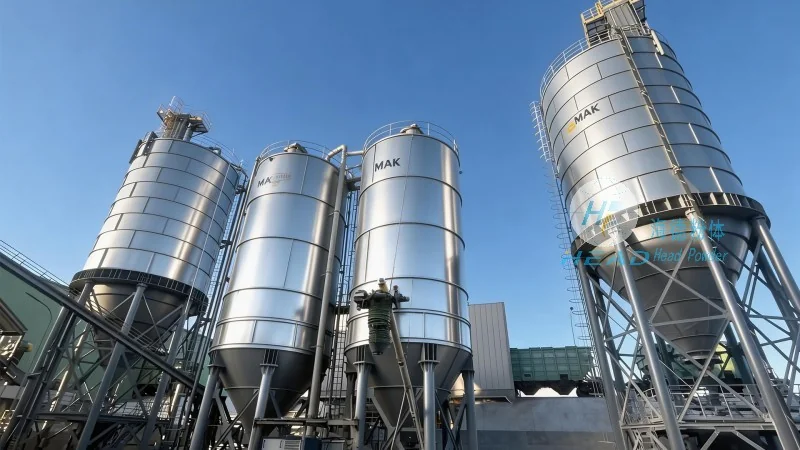
Pneumatic conveying, also known as air conveying, uses compressed air to transport aluminum dross through a pipeline system. This method offers several advantages that make it ideal for aluminum dross handling, including:
Efficiency and Speed: Pneumatic conveying enables rapid and continuous movement of aluminum dross over long distances, often at high velocities, reducing overall processing time and increasing production throughput. The system's ability to handle both dry and wet dross, depending on the design, provides flexibility in handling different dross types.
Environmental Benefits: Unlike mechanical or hydraulic systems, pneumatic conveying minimizes dust generation and noise pollution, contributing to a cleaner and safer working environment. The enclosed pipeline system also prevents dross from being exposed to the air, reducing the risk of dust inhalation and environmental contamination.
Reduced Maintenance and Wear: By eliminating direct contact between the dross particles and mechanical components, pneumatic conveying reduces equipment wear and tear. The absence of moving parts in the conveying line (except for air valves and filters) lowers maintenance requirements and extends the lifespan of the system, leading to lower operational costs over time.
Flexibility and Scalability: Pneumatic conveying systems can be easily customized and scaled to meet varying production demands. The modular design allows for the addition or removal of conveying lines, making it adaptable to changes in production volume or layout. This flexibility is particularly valuable in aluminum smelting plants where production levels may fluctuate.
Shandong HeadPowder Engineering Co., Ltd. specializes in designing and manufacturing advanced pneumatic conveying systems tailored to the specific needs of aluminum dross handling. The key features of these systems include:
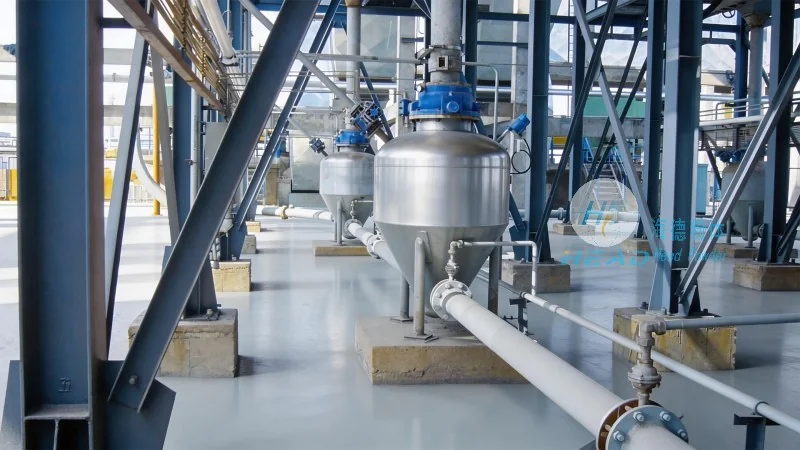
High-Pressure Air Systems: Utilizing high-pressure air (typically 4-8 bar) to ensure efficient and reliable transport of aluminum dross particles. The high pressure maintains consistent flow rates and prevents blockages in the pipeline, even with abrasive dross particles.
Specialized Dross Feeders: Equipped with robust feeders designed to handle the abrasive nature of aluminum dross, these components ensure consistent material feeding into the conveying line, minimizing the risk of clogging or equipment damage.
Filter and Dust Collection Systems: Integrated dust collection and filtration units are essential for maintaining air quality and preventing dust emissions. These systems capture fine particles and return clean air to the environment, ensuring compliance with environmental regulations.
Control and Monitoring Systems: Advanced control panels and monitoring equipment allow for real-time tracking of the conveying process, enabling operators to adjust parameters such as air pressure and flow rate as needed. This feature enhances operational efficiency and reduces downtime.
In conclusion, the choice of aluminum dross conveying method significantly impacts the efficiency, safety, and environmental performance of aluminum smelting operations. While traditional methods like gravity and mechanical conveying have their applications, pneumatic conveying emerges as the most effective solution due to its efficiency, environmental benefits, and reduced maintenance requirements. Shandong HeadPowder Engineering Co., Ltd. offers comprehensive pneumatic conveying solutions that cater to the unique challenges of aluminum dross handling, ensuring reliable and sustainable operations for aluminum production facilities. By investing in advanced pneumatic conveying systems, aluminum manufacturers can enhance productivity, reduce operational costs, and meet environmental standards, positioning themselves for long-term success in the industry.

 Shandong Headpowder Engineering Co., Ltd.
 156-6277-7102(Manager Zhang)
  0531-83386006
  Zhangqiu District, Jinan City, Shandong Province, China
telephone
WeChatconsult
top