With more than 10‑year industry experience, Shandong Headpowder delivers full‑service pneumatic‑conveying systems and blowers, undertaking nationwide turn‑key powder‑handling projects.
In the modern food processing industry, particularly within the sector of grain and cereal production, the efficiency and hygiene of material handling are paramount. The journey of rice from the cleaning and whitening stages to the packaging line requires a robust and reliable system. Traditional mechanical methods, such as belt conveyors or screw augers, are often limited by their exposure to the environment and their physical interaction with the delicate grains. This is where advanced pneumatic technology becomes essential. Specialized **rice conveying** systems utilize the power of air to move materials through pipelines, offering a superior alternative for maintaining product integrity and production flow. Shandong Headpowder Engineering Co., Ltd. has established itself as a premier provider of these sophisticated solutions, focusing on the specific needs of the rice industry.
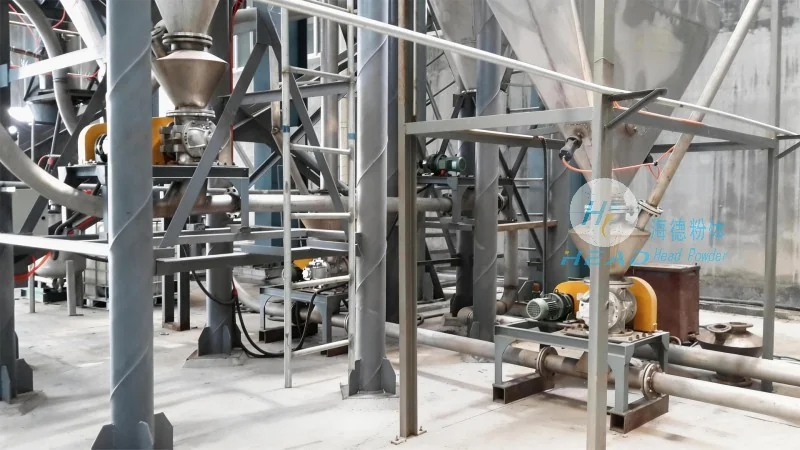
Pneumatic conveying is a method of transporting bulk materials using a pressurized gas stream, typically air. In the context of **rice conveying**, this technology is highly favored because it is completely enclosed. Unlike open conveyors, pneumatic systems prevent the rice from being exposed to external contaminants, such as dust, moisture, or pests, which is crucial for maintaining the high quality standards of the final product. The process involves generating a pressure differential that pushes or pulls the rice grains through a system of pipes to the desired destination.
Shandong Headpowder Engineering Co., Ltd., commonly referred to as headpowder, specializes in engineering custom **material conveying** solutions tailored for the food industry. The company understands that every rice processing plant has unique spatial constraints and production requirements. By leveraging state-of-the-art engineering principles, headpowder designs systems that integrate seamlessly into existing production lines. Their expertise lies in optimizing the flow of rice, ensuring that the transition between different stages of processing is smooth and uninterrupted, thereby maximizing overall plant productivity.
When implementing a **rice conveying** system, engineers typically choose between two primary modes of operation: dilute phase and dense phase conveying.
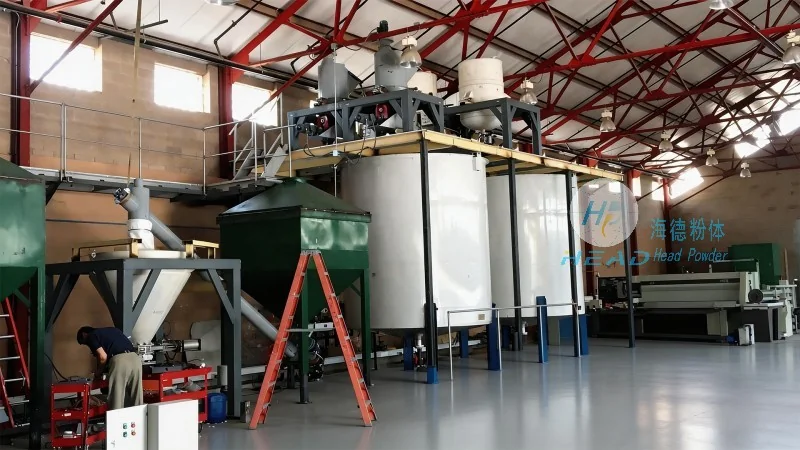
Shandong Headpowder Engineering Co., Ltd. is proficient in both technologies, allowing them to recommend the most cost-effective and efficient setup for a client's specific facility layout.
The adoption of a pneumatic **rice conveying** system offers numerous operational benefits. Firstly, the enclosed nature of the system significantly reduces the risk of cross-contamination, a critical factor in food safety regulations. Secondly, these systems are highly flexible regarding layout. Pipes can be run through ceilings, walls, or floors, allowing for better use of vertical space in a factory. Thirdly, automation capabilities are superior; pneumatic systems can be easily integrated with PLC controls for automated dosing and distribution to multiple storage silos or packaging machines.
A comprehensive **rice conveying** system from headpowder includes several key components working in harmony. This includes high-performance fans or blowers, rotary valves for feeding, and dust collectors to ensure clean air emissions. The selection of materials for the pipes and components is also critical; food-grade materials are used to ensure that no chemical or metallic taste is imparted to the rice during transport. Shandong Headpowder Engineering Co., Ltd. ensures that every component meets rigorous industry standards, providing a durable and low-maintenance solution for long-term operation.
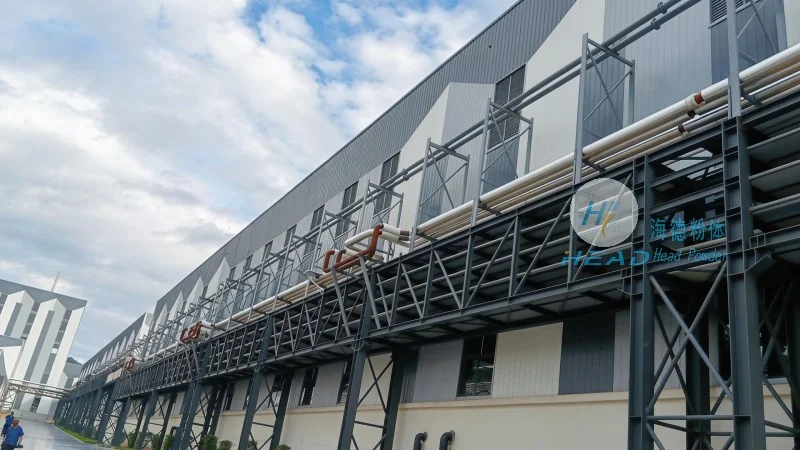
These systems are versatile and can be applied in various scenarios within a rice mill. They are extensively used to lift rice from the ground floor to high-level storage silos, to transfer milled rice from the whitening machines to the grading machines, and to load finished bags onto pallets or conveyor belts. The ability to handle various flow rates makes them adaptable to both small-scale boutique mills and large industrial processing plants.
For any facility looking to upgrade its handling capabilities, investing in a high-quality **rice conveying** system is a strategic decision. Shandong Headpowder Engineering Co., Ltd. provides the technical expertise and manufacturing excellence needed to implement these systems effectively. By choosing headpowder, clients gain a partner dedicated to optimizing their logistics and ensuring the highest standards of product quality.
If you are interested in designing a custom pneumatic conveying system for your rice processing plant, please contact Zhang Manager at headpowder. You can reach Zhang Manager via WeChat at 15662777102 to discuss your specific requirements and schedule a consultation. Shandong Headpowder Engineering Co., Ltd. is ready to assist you in achieving efficient and sanitary material handling.

 Shandong Headpowder Engineering Co., Ltd.
 156-6277-7102(Manager Zhang)
  0531-83386006
  Zhangqiu District, Jinan City, Shandong Province, China
telephone
WeChatconsult
top